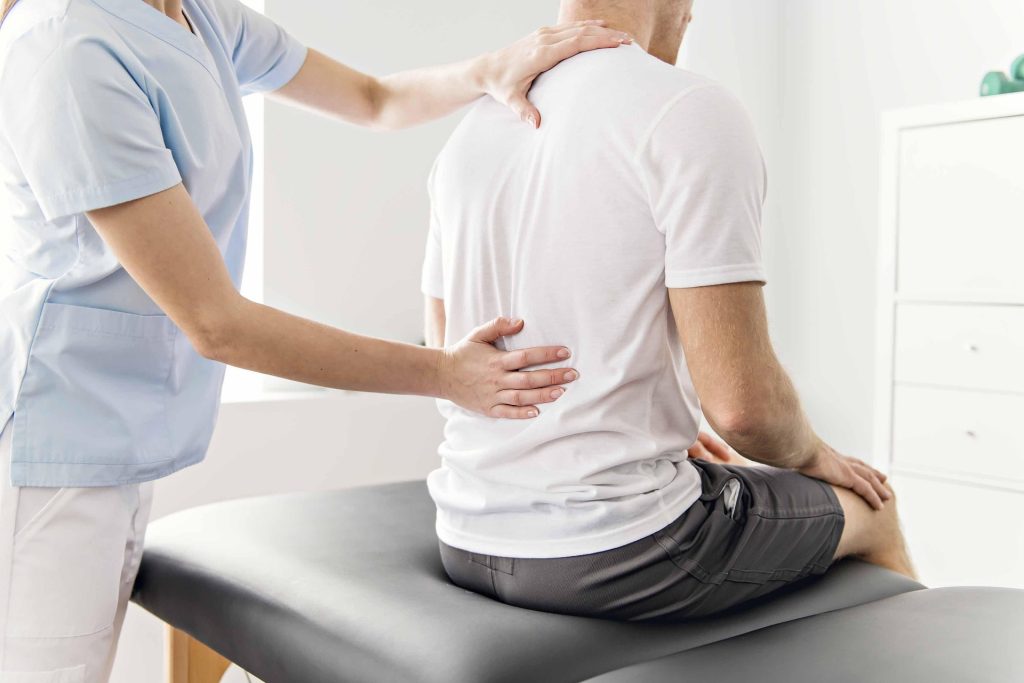
Back pain is one of the most frequent physical complaints experienced by adults across the globe. Whether it results from sitting for long hours at a desk, poor posture, muscle strain, or a lack of physical activity, back discomfort can significantly interfere with daily routines and reduce your overall quality of life.
Fortunately, many cases of back pain can be managed with simple lifestyle adjustments. Gentle exercises, correct sleeping posture, physiotherapy guidance, and natural remedies can help relieve discomfort and support long-term spinal health. This guide explains practical strategies that can help reduce back pain and improve your flexibility and mobility.
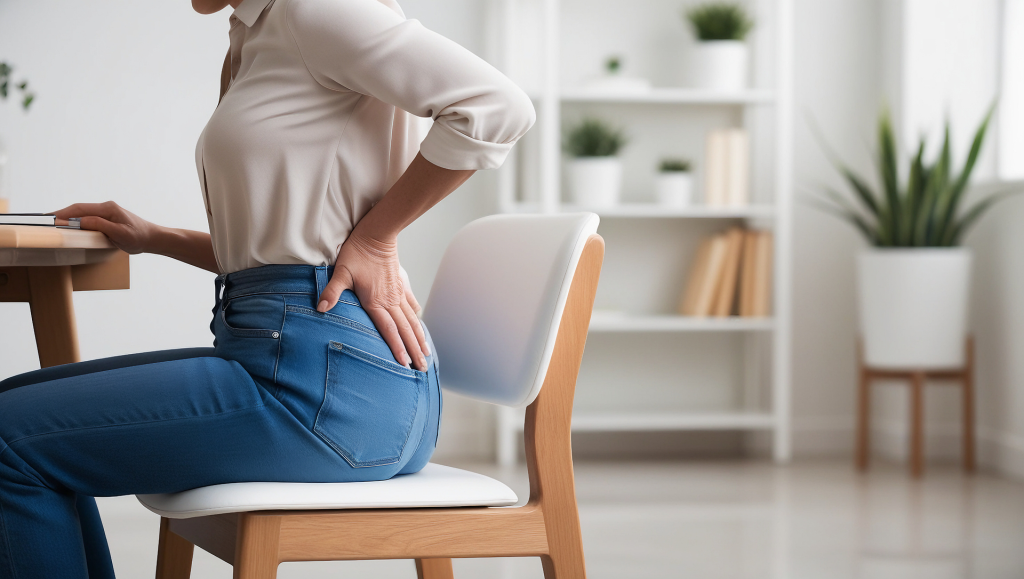
Why Back Pain Happens: Understanding the Root Causes
Back pain can develop due to several factors affecting the muscles, joints, and spine. Understanding the possible causes is the first step in choosing the right treatment approach. Common causes include:
- Sedentary Lifestyle: Sitting for long periods without movement causes the hip flexors to tighten and the glutes to weaken, putting extra pressure on the lumbar spine.
- Incorrect Lifting Techniques: Bending at the waist instead of the knees when picking up heavy objects is a leading cause of acute disc injuries.
- Weak Core Muscles: Your core is the “internal corset” of your body. Without strength here, your spine lacks the structural support it needs.
- Poor Sleeping Posture: Waking up with a “crick” in your back often means your spine wasn’t aligned during the night.
- Sudden Physical Strain: Weekend yard work or a sudden gym session can shock muscles that aren’t conditioned for high intensity.
When muscles become tight or weak, they cannot properly support the spine, which may lead to discomfort, stiffness, or chronic inflammation.

Lower Back Pain Relief Exercises: Movement as Medicine
Movement is one of the most effective ways to support the lower back. While it may feel counterintuitive to move when you are in pain, gentle exercises increase blood flow, distribute nutrients to the spinal discs, and reduce stiffness.
Knee to Chest Movement
This exercise is a foundational stretch that targets the muscles of the lower back and hips. How to do it:
- Lie down on your back on a flat, comfortable surface like a yoga mat.
- Bend both knees and keep your feet flat on the floor.
- Slowly bring one knee toward your chest while keeping the other leg relaxed.
- Grasp your shin or the back of your thigh and hold the position for about 20 seconds.
- Repeat with the opposite leg, ensuring you breathe deeply throughout the movement.
Cat Cow Spine Stretch
This controlled movement is excellent for improving spinal mobility and synchronization between the breath and the body. Steps:
- Position your body on your hands and knees in a “tabletop” position.
- As you exhale, slowly round your back upward toward the ceiling while lowering your head (the Cat).
- As you inhale, gently drop your stomach toward the floor and lift your head slightly (the Cow).
- Continue alternating between these positions for 10 repetitions to lubricate the vertebrae.
Pelvic Tilt Exercise
The pelvic tilt is a subtle movement that helps activate the deep abdominal muscles that stabilize the spine. Steps:
- Lie on your back with knees bent and feet flat.
- Tighten your abdominal muscles gently as if pulling your belly button toward the floor.
- Press the small of your lower back into the ground.
- Hold the position for 5 seconds and then relax. Performing these movements regularly may help maintain strength and flexibility in the lower back area.
Best Sleeping Positions for Back Pain
Sleep posture has a major influence on spinal comfort. Because we spend nearly a third of our lives asleep, a supportive position can reduce pressure on the back and allow muscles to recover overnight.
- Back Sleeping with Knee Support: Lying on your back is the most neutral position for the spine. However, placing a small pillow under your knees helps maintain the natural curve of the lower back and prevents the spine from flattening too much.
- Side Sleeping with Knee Support: This is the most common sleeping position. To prevent your top leg from pulling your spine out of alignment, place a firm pillow between your knees. This keeps your hips, pelvis, and spine properly stacked.
- Curled Side Position: For those with certain types of disc issues, gently curling the body in a fetal position can help open the space between the vertebrae, decreasing pressure on the spinal discs.
It is generally recommended to avoid sleeping on the stomach because it forces the neck to stay turned at a sharp angle and can strain the lower back.
Physiotherapy Treatment for Back Pain
Physiotherapy focuses on improving movement and strengthening the muscles that support the spine. A trained physiotherapist assesses your specific condition—looking at your gait, posture, and muscle imbalances—to develop a customized plan.
- Guided Exercise Programs: Specific exercises are recommended to target your unique weaknesses, whether it’s tight hamstrings or a weak transverse abdominis.
- Manual Therapy Techniques: Hands-on methods, such as joint mobilization or soft-tissue massage, are used to improve mobility and reduce muscle knots.
- Posture Training: Patients learn the ergonomics of their daily lives, such as how to set up a home office or how to stand without leaning on one hip.
- Rehabilitation Plans: Long-term routines help maintain the progress made in the clinic and prevent future pain episodes from occurring.
Home Remedies for Back Pain
For mild to moderate discomfort, several simple methods at home can support recovery.
- Cold and Heat Application: Cold packs are best for new injuries to reduce swelling. Warm compresses or heating pads are better for chronic stiffness as they relax tense muscles and increase circulation.
- Gentle Activity: Avoid complete bed rest. Short, frequent walks can prevent the muscles from seizing up and help the healing process.
- Massage: A mild massage can reduce muscle tension, lower stress hormones, and promote overall physical relaxation.
- Supportive Furniture: Evaluate your most-used chair. If it doesn’t have lumbar support, use a rolled-up towel or a small cushion to support the curve of your lower back.
- Hydration and Diet: Drinking plenty of water keeps the jelly-like substance inside your spinal discs hydrated. A diet rich in anti-inflammatory foods, like ginger and leafy greens, can also reduce systemic pain.
Everyday Habits That Help Prevent Back Pain
Adopting healthy habits is the best way to protect the spine and reduce the risk of recurring pain. Small adjustments in your daily routine can make a noticeable difference:
- Check Your Posture: Whether sitting or standing, try to keep your shoulders relaxed and your ears aligned over your shoulders.
- The 30-Minute Rule: Set a timer to stand up and stretch every 30 minutes if you work a desk job.
- Lifting Safely: Always keep objects close to your body when lifting and use your legs—not your back—to provide the power.
- Core Strengthening: Dedicate 10 minutes a day to core-stabilizing exercises like planks or bird-dogs.
Frequently Asked Questions
1. What exercise is the most helpful for immediate lower back pain relief? Gentle stretching exercises such as knee-to-chest movements and pelvic tilts are most commonly recommended. They focus on decompression and stabilization without adding extra stress to the spine.
2. Which sleeping position is best for a herniated disc? Side sleeping with a pillow between the knees or the fetal position is often best, as it reduces the pressure on the spinal discs. However, everyone is different, so listen to your body.
3. Can physiotherapy actually cure chronic back pain? While “cure” is a strong word, physiotherapy provides the tools to manage and significantly reduce pain by addressing the underlying muscle imbalances and postural habits that cause it.
4. Is a firm mattress better for my back? Not necessarily. Recent studies suggest a medium-firm mattress provides the best balance of support and pressure relief for most people with back pain.
5. Why does my back hurt more when I am stressed? Stress causes your body to release cortisol and tighten your muscles involuntarily. This “guarded” posture leads to fatigue and pain in the lower and upper back.
6. Should I stop all activity when my back hurts? No. Total bed rest is generally discouraged. Light activity like walking or slow stretching helps keep the joints lubricated and prevents muscle atrophy.
7. Can wearing high heels cause back pain? Yes. High heels shift your center of gravity forward, forcing your lower back to arch excessively to keep you upright. This puts immense strain on the lumbar vertebrae.
8. How does hydration affect my spine? The intervertebral discs are largely made of water. If you are dehydrated, these discs can become thinner and less effective at absorbing shock, leading to pain.
9. When should I see a doctor for back pain? You should seek medical attention if the pain is accompanied by numbness in the legs, loss of bladder control, or if it results from a severe fall or accident.
10. Are standing desks better than sitting desks? A standing desk is a great tool, but the best approach is “dynamic sitting”—alternating between sitting, standing, and moving throughout the day.
Conclusion
Back pain can affect your comfort and productivity, but many cases improve with the right care and attention. Regular stretching, supportive sleeping positions, physiotherapy guidance, and simple home remedies all contribute to better spinal health.
By developing healthy movement habits and maintaining good posture, you can reduce the chances of recurring discomfort. With consistent care and attention to your body mechanics, it is possible to manage back pain effectively and maintain an active, fulfilling lifestyle.