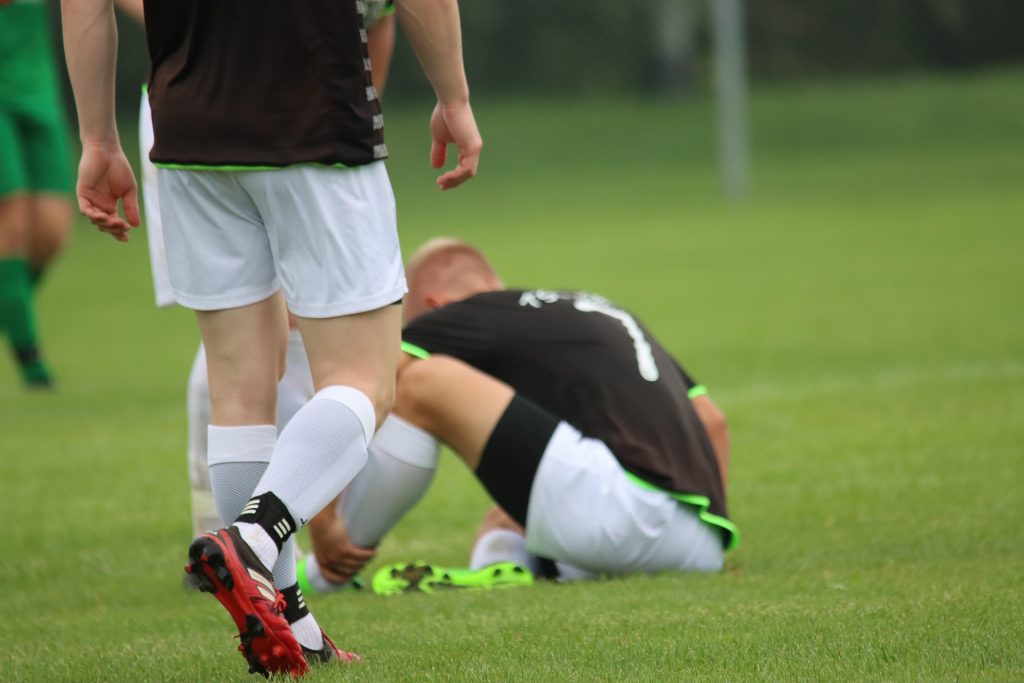
Sports injuries can happen in the blink of an eye, whether you’re an elite athlete or just someone who enjoys weekend sports. From sprains and strains to fractures and tears, injuries can be a significant setback, disrupting both your physical performance and daily routine. Thankfully, physiotherapy plays a crucial role in sports injury rehabilitation, helping individuals recover, regain strength, and reduce the likelihood of future injuries.

What is Sports Injury Rehabilitation?
Sports injury rehabilitation refers to the process of recovering from an injury sustained during physical activity, including treatment, exercise, and therapy aimed at restoring strength, flexibility, and overall physical function. Physiotherapists specialize in assessing, diagnosing, and treating sports injuries using a variety of techniques, exercises, and manual therapy interventions to ensure a full recovery and prevent future injuries.
How Physiotherapy Helps in Sports Injury Recovery
Physiotherapy is integral in sports injury rehabilitation, as it focuses on both immediate recovery and long-term prevention. Here’s how it helps:
1. Pain Management
Physiotherapists use various methods to reduce pain, including heat and cold therapy, electrical stimulation (TENS), ultrasound therapy, and manual therapy. These techniques help minimize swelling and inflammation while managing pain, allowing the body to begin the healing process.
2. Restoring Range of Motion
Following a sports injury, it’s common for the injured area to become stiff or immobile. Physiotherapists focus on restoring the range of motion (ROM) through stretches and mobility exercises. This helps prevent muscle stiffness and joint immobility, ensuring that the body can move freely during recovery.
3. Strengthening Weak Muscles
Weakness is a common result of any injury, as affected muscles may not be able to perform at their usual level. Physiotherapists design tailored strengthening exercises to rebuild the strength and endurance of muscles, ligaments, and tendons, ensuring the injury site is fully recovered.

4. Improving Flexibility
After an injury, flexibility may be compromised due to muscle tightness or scar tissue. Physiotherapists use stretching techniques to improve muscle length and flexibility, which enhances mobility and prevents re-injury by keeping muscles limber and responsive.
5. Reducing the Risk of Re-Injury
A significant advantage of physiotherapy is its ability to focus on injury prevention. Physiotherapists work with patients to identify any pre-existing imbalances in posture, muscle strength, or movement patterns that could lead to further injury. By correcting these issues, physiotherapy helps reduce the risk of future injuries.
6. Manual Therapy Techniques
Manual therapy includes hands-on techniques like joint mobilization, manipulation, and massage. These techniques help improve tissue healing, reduce pain, and increase flexibility, enabling athletes to recover faster and more efficiently.
7. Rehabilitation Exercises
A key aspect of physiotherapy is the use of rehabilitation exercises. These are progressive exercises tailored to the individual’s injury and rehabilitation needs. They help improve muscle strength, joint stability, and overall fitness, allowing the patient to return to their sport or activity safely.
Why Choose Physiotherapy for Sports Injury Rehabilitation?
Physiotherapy is non-invasive and focuses on natural healing through exercise and manual therapy. It offers a holistic approach, targeting the root causes of injury and not just the symptoms. Physiotherapists also educate patients on proper body mechanics, injury prevention, and strategies to maintain optimal physical health, making it one of the most effective and comprehensive approaches to sports injury recovery.

Conclusion
Sports injury rehabilitation is crucial for athletes at any level, and physiotherapy offers one of the best pathways to full recovery. Through a combination of pain management, mobility exercises, strengthening routines, and injury prevention strategies, physiotherapists play a key role in helping athletes return to their sport better and stronger. Whether you’re recovering from a minor sprain or a major ligament tear, physiotherapy can make a world of difference in your journey to recovery.
By incorporating the right physiotherapy techniques into your injury rehabilitation plan, you ensure a faster, more effective recovery, and increase your chances of avoiding future injuries.
FAQs about Sports Injury Rehabilitation with Physiotherapy
1. How long does it take to recover from a sports injury with physiotherapy?
The recovery time varies depending on the severity of the injury, the type of sport, and the individual’s overall health. Minor injuries may take a few weeks, while more severe injuries might take several months. Physiotherapists tailor recovery programs to ensure the fastest possible healing while minimizing the risk of re injure.
2. Can physiotherapy help with long-term injuries?
Yes, physiotherapy is very effective for both acute and chronic injuries. For long-term or recurring injuries, physiotherapists develop personalized plans to address underlying causes such as muscle imbalances, poor posture, or repetitive strain. Through consistent physiotherapy, patients can experience lasting improvements.
3. What types of sports injuries can physiotherapy treat?
Physiotherapy can treat a wide range of sports injuries, including:
- Sprains and strains
- Tendonitis
- Fractures
- Ligament injuries (e.g., ACL tears)
- Muscle tears
- Shin splints
- Dislocations and joint injuries
4. Can physiotherapy prevent future sports injuries?
Yes, physiotherapists focus on improving flexibility, strength, and posture, all of which help prevent future injuries. They also analyze your movement patterns and teach you techniques to reduce strain on your muscles and joints during sports activities.
5. Will I be able to return to my sport after physiotherapy?
Physiotherapy aims to return you to your sport as quickly and safely as possible. Once you’ve regained strength, flexibility, and range of motion, your physiotherapist will guide you through sport-specific exercises to ensure you are fully prepared for a return. They’ll also advise on injury prevention strategies.
6. Is physiotherapy covered by insurance?
Many insurance plans cover physiotherapy treatments, but it’s best to check with your provider for specific details. In some cases, insurance may require a referral from a physician for coverage.