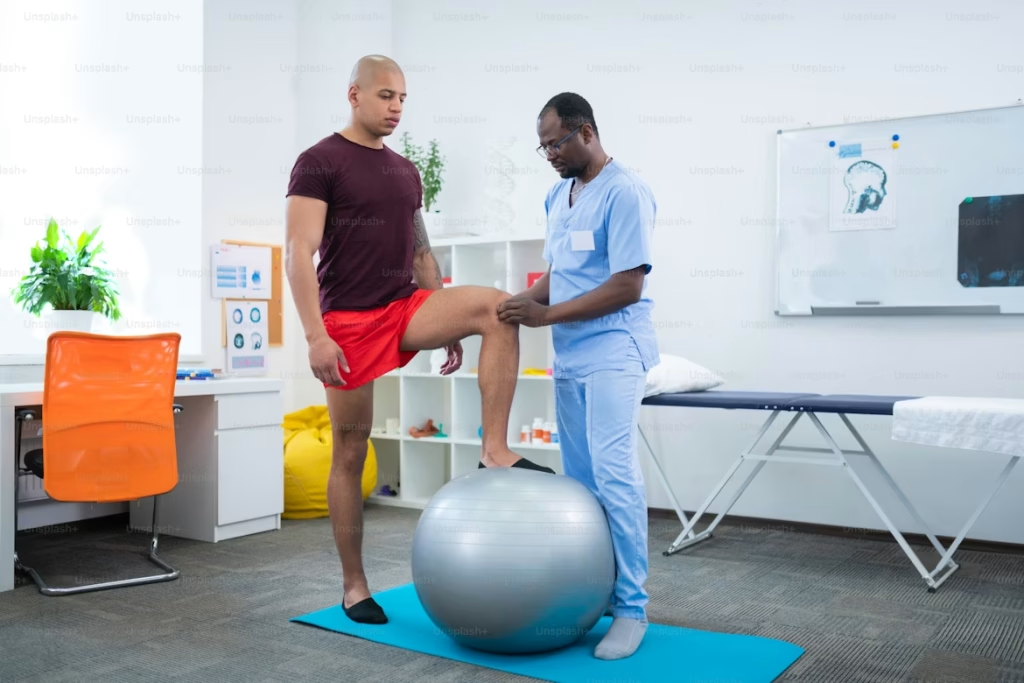
Pain can significantly impact your daily activities, making even simple tasks challenging. It may result from muscle strain, poor posture, injury, or stress. Instead of solely relying on medication, many individuals now turn to natural physiotherapy tips for pain relief, which are safe, cost-effective, and sustainable for long-term use.
This article covers practical physiotherapy tips for pain relief and home remedies that can help manage discomfort, improve mobility, and enhance overall health.
What Causes Pain?
Pain can be short-term or long-lasting. Common causes include:
- Muscle tension
- Joint stiffness
- Poor posture
- Lack of physical activity
- Injuries or overuse
Identifying the cause helps you choose the right natural pain relief methods for better results.
Best Physiotherapy Tips for Pain Relief at Home
Hot and Cold Therapy
Using heat or ice is one of the easiest ways to reduce pain. Ice helps decrease swelling, while heat relaxes muscles and improves blood flow. Use each method for 10–15 minutes depending on your condition.
Herbal Remedies
Natural ingredients can support healing and reduce discomfort.
- Turmeric helps fight inflammation
- Ginger reduces soreness
- Peppermint oil provides a cooling effect
These natural pain relief methods are simple and can be used daily.
Stretching Exercises
Gentle stretching keeps muscles flexible and reduces stiffness. It also improves blood circulation and prevents injuries. Always move slowly and avoid sudden pressure.
Stay Hydrated
Water plays an important role in muscle and joint health. Proper hydration reduces cramps and keeps your body functioning well.
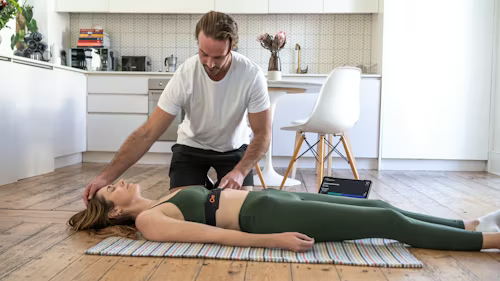
Massage Therapy
A light massage can ease muscle tension and improve circulation. Using natural oils like coconut oil can make it more effective.
Proper Rest
Sleep is essential for recovery. A good sleep routine helps your body heal naturally and reduces pain levels.
Physiotherapy Tips for Long-Term Relief
Maintain Good Posture
Sitting or standing incorrectly can lead to pain. Keep your back straight, shoulders relaxed, and screen at eye level to avoid strain.
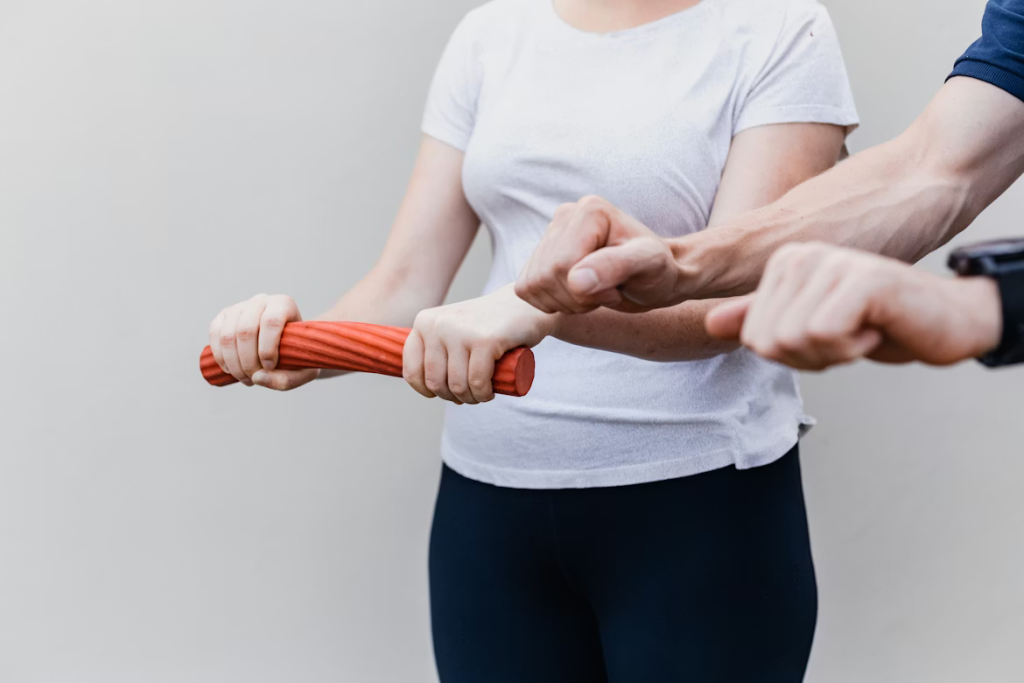
Strengthening Exercises
Strong muscles support joints and reduce pressure on them. Simple exercises like leg raises and shoulder rolls can improve strength and stability.
Improve Flexibility
Range of motion exercises keep joints active and reduce stiffness. These movements are especially helpful for long-term pain conditions.
Relaxation Techniques
Stress can increase pain. Deep breathing and relaxation exercises help calm your body and reduce tension.
Be Consistent
Consistency is the key to success. Practicing these natural pain relief methods daily will give better and long-lasting results.
Healthy Habits for Pain Prevention
- Stay physically active
- Maintain a healthy weight
- Take breaks during long sitting hours
- Avoid overusing muscles
These habits support your body and prevent pain from coming back.
When to Seek Medical Help
While natural pain relief methods work well for many people, you should consult a professional if:
- Pain lasts for weeks
- It becomes severe
- You feel numbness or weakness
Timely care can prevent further complications.

Final Thoughts
Managing pain does not always require strong medication. Simple lifestyle changes, home remedies, and physiotherapy can provide effective and lasting relief. By following these natural pain relief methods, you can improve your movement, reduce discomfort, and live a healthier life.
Start with small steps and stay consistent. Over time, your body will become stronger, more flexible, and pain-free.
Short FAQs
Q1: What are natural pain relief methods?
They are simple ways like heat therapy, stretching, and herbal remedies to reduce pain naturally.
Q2: Are natural methods effective?
Yes, they work well for mild to moderate pain when used regularly.
Q3: Can I do physiotherapy at home?
Basic exercises can be done at home, but guidance is recommended for best results.
Q4: How quickly do these methods work?
Some give instant relief, while others need consistent practice.
Q5: Are these methods safe?
Yes, but consult a doctor if pain is severe or long-lasting.