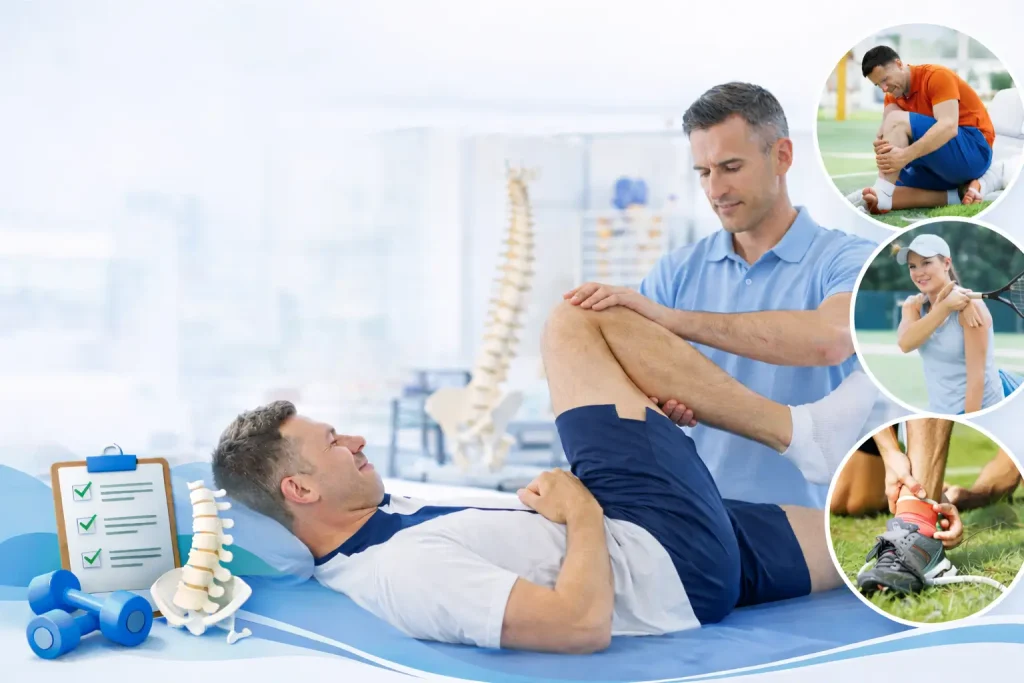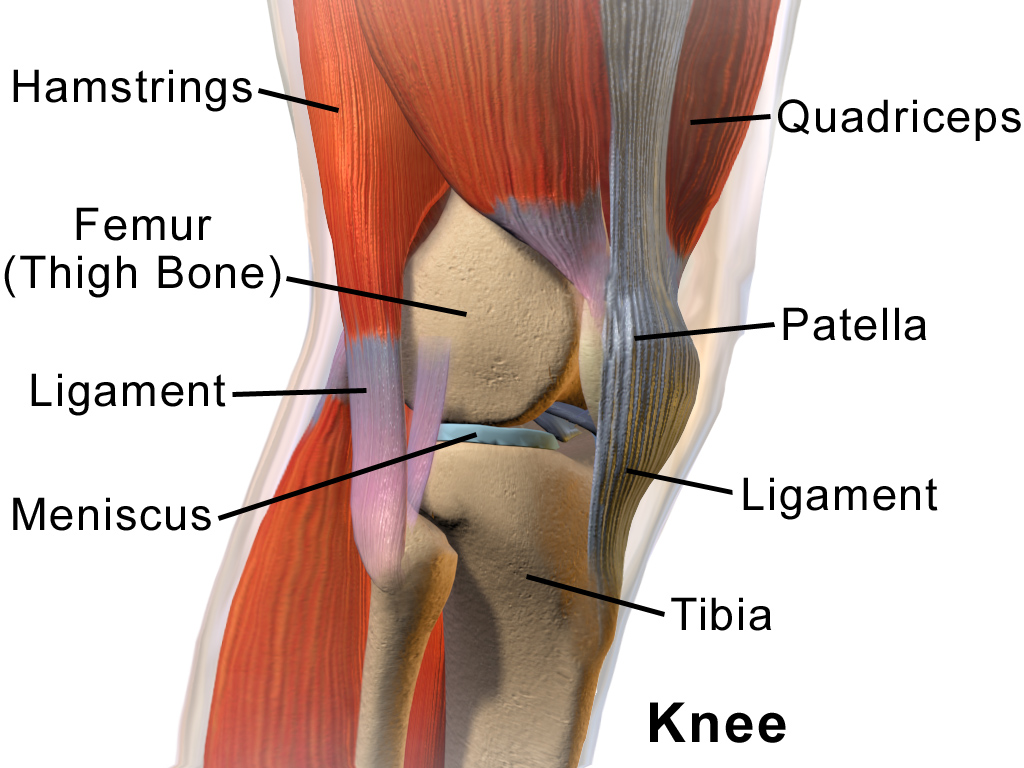
Effective knee pain relief with exercises
Discover effective knee pain relief with simple exercises, home remedies, and physiotherapy tips to reduce discomfort and improve knee mobility daily.

Knee Pain Relief – Easy Ways to Reduce Pain and Move Better
Knee pain is a very common problem that can affect people of all ages. It may start slowly because of daily activities or happen suddenly after an injury. When your knee hurts, even simple tasks like walking, standing, or climbing stairs can feel difficult.
The knee joint carries most of your body weight, so it can easily become stressed. The good news is that in many cases, knee pain can be reduced with simple care, light exercises, and healthy habits. In this guide, you will learn the causes of knee pain and easy ways to manage it.
Common Causes of Knee Pain
Knowing the reason behind your knee pain can help you treat it better. Some common causes include:
- Too much physical activity – Overuse can strain the knee joint
- Injuries – Falls, twists, or sudden movements can damage ligaments
- Weak muscles – Weak thigh muscles put extra pressure on the knee
- Poor posture – Incorrect sitting, standing, or walking can cause pain
- Aging – Over time, joints naturally wear down and become stiff
Symptoms of Knee Pain
Knee pain can feel different for each person. Some common signs are:
- Swelling around the knee
- Difficulty bending or straightening the leg
- Pain during walking or climbing stairs
- Weakness or feeling that the knee may give way
- Clicking or grinding sounds when moving
If you notice these symptoms early, you can prevent the problem from getting worse.
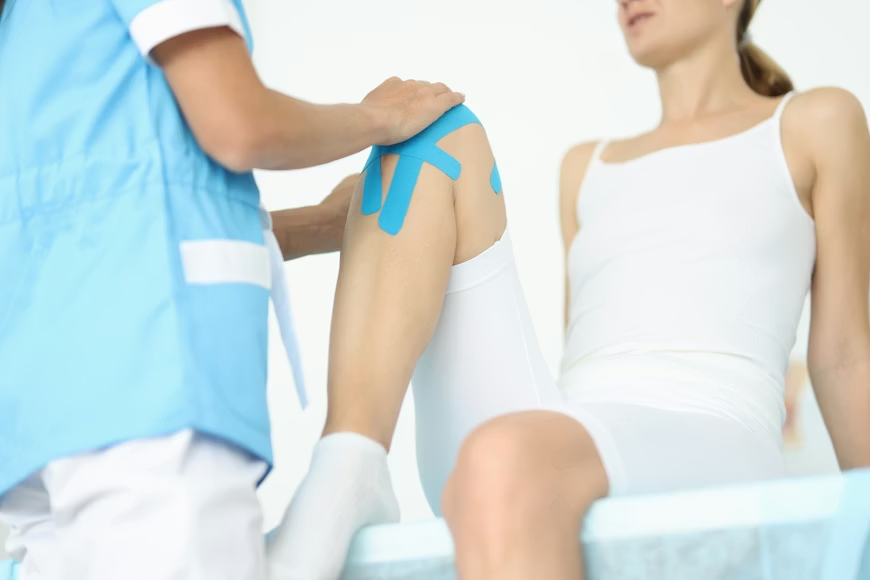
Easy Exercises for Knee Pain Relief
Gentle exercises at home can provide effective knee pain relief by strengthening and increasing flexibility in your knees.
1. Straight Leg Raise
- Lie down on your back
- Bend one knee and keep the other leg extended.
- Slowly lift the straight leg up
- Hold for 5–10 seconds, then lower it down
- Repeat 10–15 times on each side
This helps strengthen the muscles that support your knee.
2. Hamstring Stretch
- Sit with one leg straight and the other bent
- Slowly reach toward your toes
- Hold for 15–20 seconds
- Switch legs and repeat
This stretch reduces tightness behind the knee.
3. Wall Sit
- Stand with your back against a wall
- Slide down slightly (not too low)
- Hold for 10–15 seconds
- Slowly stand back up
This exercise builds strength in your thighs and improves stability.
Role of Physiotherapy in Knee Pain
Physiotherapy is very helpful for effective knee pain relief. A trained expert can guide you with:
- Strength-building exercises
- Stretching routines
- Hands-on therapy to reduce pain
- Advice on correct posture and movement
Regular physiotherapy can improve movement and prevent future problems.
Simple Home Remedies for Knee Pain
You can also manage knee pain at home with easy methods:
- Ice packs – Reduce swelling and pain
- Heat therapy – Relax muscles and improve blood flow
- Light movement – Keeps the joint active
- Proper rest – Avoid putting too much pressure on the knee
- Comfortable sitting – Reduce strain on your joints
Daily Tips to Keep Your Knees Healthy
Healthy habits play a key role in long-term knee pain relief and can protect your knees from future problems:
- Maintain a healthy body weight
- Wear comfortable and supportive shoes
- Avoid sudden heavy movements
- Stretch regularly
- Take breaks if sitting or standing for long time
When Should You See a Doctor?
You should get medical help if:
- Pain does not improve after a few days
- Swelling becomes severe
- The knee feels unstable
- You cannot walk properly
Early treatment can prevent serious problems.
Frequently Asked Questions (FAQs
1. Can knee pain go away on its own?
Yes, mild knee pain can improve with rest and simple care.
2. Which exercises are best for knee pain?
Easy exercises like leg raises, stretches, and wall sits are helpful.
3. Is walking good for knee pain?
Yes, short and slow walks can help, but avoid overdoing it.
4. How long does knee pain take to heal?
It depends on the cause. Mild pain may go away in a few days, while serious cases take longer.
5. Does physiotherapy help knee pain?
Yes, it improves strength, flexibility, and reduces pain.
6. What is the best home treatment for knee pain?
Ice, heat, rest, and gentle movement are very effective.
Conclusion
Knee pain is common, but effective knee pain relief is possible with the right care and routine. Simple exercises, natural home remedies, physiotherapy, and healthy daily habits all play an important role in knee pain relief by reducing discomfort and improving mobility. By focusing on proper knee pain relief methods today, you can protect your joints, stay active, and enjoy a pain-free future.
Back pain is one of the most frequent physical complaints experienced by adults. Whether it results from sitting for long hours, poor posture, muscle strain, or lack of physical activity, back discomfort can interfere with daily routines and reduce overall quality of life.
Fortunately, many cases of back pain can be managed with simple lifestyle adjustments. Gentle exercises, correct sleeping posture, physiotherapy guidance, and natural remedies can help relieve discomfort and support spinal health.
This guide explains practical strategies that can help reduce back pain and improve flexibility and mobility.
Why Back Pain Happens
Back pain can develop due to several factors affecting the muscles, joints, and spine. Understanding the possible causes helps in choosing the right treatment approach.
Common causes include:
- Sitting for long periods without movement
- Incorrect lifting techniques
- Weak core muscles
- Poor sleeping posture
- Sudden physical strain
- Lack of regular stretching or exercise
When muscles become tight or weak, they cannot properly support the spine, which may lead to discomfort or stiffness.
Lower Back Pain Relief Exercises
Movement is one of the most effective ways to support the lower back. Gentle exercises can increase flexibility, strengthen surrounding muscles, and reduce stiffness.
Knee to Chest Movement
This exercise stretches the muscles of the lower back and hips.
How to do it:
- Lie down on your back on a flat, comfortable surface.
- Bend both knees and keep feet flat on the floor.
- Slowly bring one knee toward your chest while keeping the other leg relaxed.
- Hold the position for about 20 seconds.
- Repeat with the opposite leg.
Cat Cow Spine Stretch
This controlled movement improves spinal mobility.
Steps:
- Position your body on hands and knees.
- Slowly round your back upward while lowering your head.
- Then gently drop your stomach toward the floor and lift your head slightly.
- Continue alternating between these positions several times.
Pelvic Tilt Exercise
Pelvic tilt helps activate the muscles that stabilize the spine.
Steps:
- Lie on your back with knees bent.
- Tighten your abdominal muscles gently.
- Press the lower back toward the floor.
- Hold the position briefly and relax.
Performing these movements regularly may help maintain strength and flexibility in the lower back area.
Best Sleeping Positions for Back Pain
Sleep posture has a major influence on spinal comfort. A supportive sleeping position can reduce pressure on the back and allow muscles to relax overnight.
Back Sleeping with Knee Support Lying on your back while placing a pillow under your knees helps maintain the natural curve of the spine.
Side Sleeping with Knee Support Sleeping on your side with a pillow placed between your knees keeps the hips and spine aligned.
Curled Side Position Some individuals find relief by gently curling the body while lying on the side. This position helps decrease pressure on the spinal discs.
It is generally recommended to avoid sleeping on the stomach because it can strain the neck and back.
Physiotherapy Treatment for Back Pain
Physiotherapy focuses on improving movement and strengthening the muscles that support the spine. A trained physiotherapist assesses the condition and develops a treatment plan based on the patient’s needs.
Typical physiotherapy approaches include:
- Guided Exercise Programs: Specific exercises are recommended to improve strength and flexibility.
- Manual Therapy Techniques: Hands-on methods may be used to improve joint mobility and reduce muscle tightness.
- Posture Training: Patients learn correct sitting, standing, and lifting techniques that protect the spine.
- Rehabilitation Plans: Long-term exercise routines help maintain progress and prevent future pain episodes.
Consistent physiotherapy sessions often lead to improved mobility and better control of back discomfort.
Home Remedies for Back Pain
Several simple methods at home can support recovery and ease mild back pain.
- Cold and Heat Application: Cold packs may help reduce swelling, while warm compresses relax tense muscles.
- Gentle Activity: Short walks and light stretching can prevent stiffness and improve circulation.
- Massage: A mild massage can reduce muscle tension and promote relaxation.
- Supportive Furniture: Using chairs with good lumbar support and maintaining proper posture during work can reduce strain on the back.
- Hydration and Balanced Diet: Adequate hydration and nutritious foods support muscle recovery and overall physical health.
Everyday Habits That Help Prevent Back Pain
Adopting healthy habits can protect the spine and reduce the risk of recurring pain.
Helpful practices include:
- Maintaining correct posture while sitting or standing
- Performing regular stretching or exercise
- Avoiding sudden heavy lifting
- Taking short breaks during long periods of sitting
- Strengthening core muscles
These small adjustments can make a noticeable difference in maintaining back health.

Frequently Asked Questions
1. What exercise is helpful for lower back pain relief? Gentle stretching exercises such as knee-to-chest movements, pelvic tilts, and spine stretches are commonly recommended for supporting lower back flexibility.
2. Which sleeping position helps reduce back pain? Sleeping on the back with knee support or on the side with a pillow between the knees can help maintain spinal alignment.
3. Can physiotherapy help manage back pain? Physiotherapy often helps improve strength, flexibility, and posture, which may reduce discomfort and improve movement.
4. How often should I stretch to prevent back pain? Aim for at least 5 to 10 minutes of gentle stretching daily, especially if you spend most of your day sitting.
5. Is walking good for a sore back? Yes, low-impact walking helps increase blood flow to the spine and strengthens the muscles that support your posture.
6. Should I use a firm or soft mattress for back pain? Generally, a medium-firm mattress provides the best balance of support and comfort for spinal alignment.
7. Can dehydration cause back pain? Yes, the discs in your spine require water to maintain their height and cushioning. Dehydration can lead to reduced disc efficiency.
8. Is heat or ice better for a new back injury? For a sudden injury, ice is usually best for the first 48 hours to reduce swelling. After that, heat can be used to relax muscles.
9. Can stress cause back pain? Stress often leads to muscle tension in the shoulders and lower back, which can cause or worsen existing pain.
10. How should I set up my desk to avoid back pain? Ensure your monitor is at eye level, your feet are flat on the floor, and your chair provides support for the natural curve of your lower back.
Conclusion
Back pain can affect comfort and productivity, but many cases improve with the right care. Regular stretching, supportive sleeping positions, physiotherapy guidance, and simple home remedies can contribute to better spinal health.
Developing healthy movement habits and maintaining good posture can further reduce the chances of recurring discomfort. With consistent care and attention to body mechanics, it is possible to manage back pain and maintain an active lifestyle.