
Living with pain can limit your ability to enjoy daily life. Simple activities like walking, bending, or even sitting for long periods may become uncomfortable. While many people depend on painkillers for quick relief, these solutions often provide only temporary results. Physiotherapy, on the other hand, offers a natural and long-term approach to healing, helping individuals recover safely and regain control over their bodies.
This article explains why physiotherapy is essential for pain relief and recovery, how it works, and how it can improve overall health and well-being.
What is Physiotherapy?
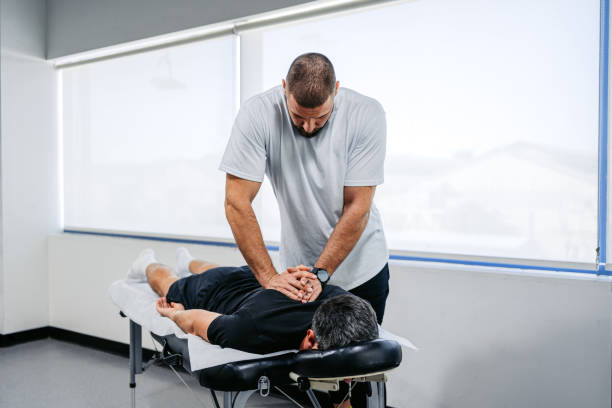
Physiotherapy is a specialized healthcare practice that focuses on improving movement, reducing pain, and restoring physical function. It uses evidence-based techniques such as exercise therapy, manual treatment, and patient education to address a wide range of physical conditions.
A physiotherapist carefully evaluates your condition and creates a customized treatment plan designed to target your specific problem and recovery goals.
How Physiotherapy Reduces Pain
Unlike medications that only mask symptoms, physiotherapy aims to eliminate the root cause of pain. This makes it a more effective and lasting solution.
1. Understanding the Source of Pain
Physiotherapists assess posture, muscle strength, and joint movement to identify what is causing discomfort. Treating the cause ensures better long-term results.
2. Hands-On Treatment
Manual therapy techniques, such as massage and joint mobilization, help reduce muscle tension, improve circulation, and ease stiffness.
3. Corrective Exercises
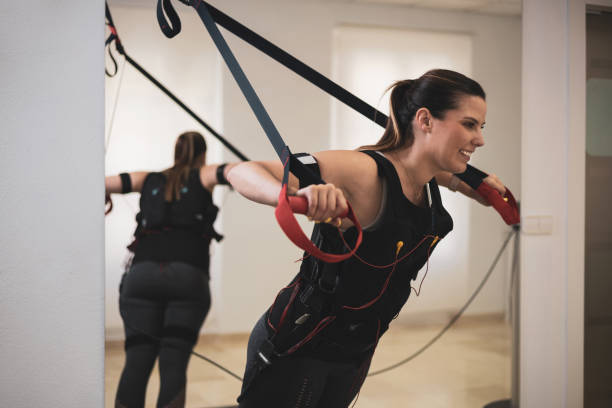
Targeted exercises strengthen weak muscles, improve flexibility, and restore proper body mechanics, which reduces pressure on painful areas.
4. Managing Inflammation
Controlled movements, stretching, and therapy techniques help decrease inflammation and promote faster healing.
The Role of Physiotherapy in Recovery
Recovery from injuries or surgery requires proper guidance and rehabilitation. Physiotherapy plays a key role in speeding up and improving this process.
1. Promotes Faster Healing
Improved blood flow helps deliver oxygen and nutrients to damaged tissues, supporting quicker recovery.
2. Restores Movement and Flexibility
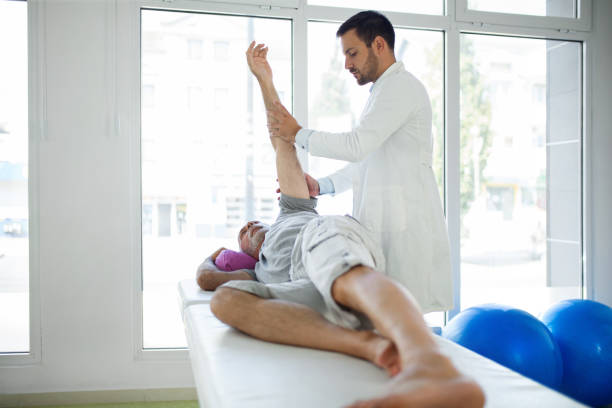
After injury or inactivity, joints and muscles can become stiff. Physiotherapy helps restore normal movement and range of motion.
3. Rebuilds Strength
Weak muscles can slow recovery and increase the risk of re-injury. Strengthening exercises help rebuild muscle support.
4. Supports Post-Surgical Rehabilitation
After surgeries such as joint replacement or ligament repair, physiotherapy is essential for regaining function and independence.
Common Conditions Treated with Physiotherapy
Physiotherapy can effectively treat many physical issues, including:
- Lower back and neck pain
- Joint problems (knee, shoulder, hip)
- Sports-related injuries
- Muscle strains and sprains
- Arthritis and stiffness
- Post-surgery recovery
- Posture-related discomfort
Key Benefits of Physiotherapy
Natural Pain Relief
Physiotherapy reduces dependence on medications by addressing the root problem naturally.
Improved Mobility
Regular therapy improves flexibility and helps you move more comfortably.
Personalized Care
Treatment plans are tailored according to each individual’s condition and progress.
Injury Prevention
By improving strength and posture, physiotherapy helps prevent future injuries.
Long-Term Health Improvement
It focuses on sustainable recovery rather than short-term relief.
Techniques Used in Physiotherapy
Physiotherapists use a combination of techniques to manage pain and aid recovery:
- Exercise therapy
- Manual therapy
- Stretching and strengthening routines
- Heat and cold therapy
- Electrotherapy
- Posture correction exercises
These methods work together to restore function and reduce discomfort.
Why Early Treatment is Important
Ignoring pain can lead to more serious health problems over time. Early physiotherapy intervention offers several advantages:
- Prevents minor issues from becoming severe
- Reduces recovery time
- Improves treatment effectiveness
- Helps avoid unnecessary surgical procedures
Taking action early can make a significant difference in your healing journey.
Tips for Better Physiotherapy Results
To achieve the best outcomes, it’s important to stay consistent and follow professional advice:
- Attend all scheduled sessions
- Perform home exercises regularly
- Maintain proper posture
- Stay active within safe limits
- Communicate openly with your physiotherapist
Consistency and discipline are key to successful recovery.
Conclusion
Physiotherapy is a safe, effective, and natural way to manage pain and support recovery. It not only relieves discomfort but also improves strength, mobility, and overall quality of life. By focusing on the root cause of the problem, physiotherapy provides long-lasting results and helps individuals return to their normal activities with confidence.
If you are dealing with ongoing pain or recovering from an injury, starting physiotherapy early can help you heal faster and prevent future complications.
Frequently Asked Questions (FAQs)
1. How does physiotherapy help with pain relief?
Physiotherapy treats the underlying cause of pain through exercises, manual therapy, and movement correction, providing long-term relief.
2. Is physiotherapy suitable for all age groups?
Yes, physiotherapy is safe and beneficial for people of all ages when guided by a trained professional.
3. How quickly can I see results?
Many patients notice improvement within a few sessions, but recovery time depends on the severity of the condition.
4. Can physiotherapy help avoid surgery?
In some cases, physiotherapy can reduce the need for surgery, especially in mild to moderate conditions.
5. How often should I go for physiotherapy?
The frequency varies, but most treatment plans recommend 2–3 sessions per week.
6. Does physiotherapy hurt?
Some exercises may cause mild discomfort, but treatment should not be excessively painful.
7. Can physiotherapy treat chronic pain?
Yes, it is very effective in managing long-term conditions like back pain and arthritis.
8. What should I wear during sessions?
Wear comfortable clothes that allow easy movement.
9. Are home exercises necessary?
Yes, home exercises are essential for faster and more effective recovery.
10. Do I need a doctor’s referral?
In many cases, you can directly consult a physiotherapist, depending on your local healthcare system.