Chronic pain relief can be supported through simple lifestyle changes, including improving your diet. Chronic pain can affect every part of your life, making even simple tasks feel difficult. One natural way to manage and reduce chronic pain is by choosing the right foods. Certain foods have anti-inflammatory properties that can help ease pain linked to conditions like arthritis, back pain, and fibromyalgia. In this blog, we’ll explore 10 anti-inflammatory foods that may help with chronic pain relief.
Best Foods for Chronic Pain Relief
1. Turmeric
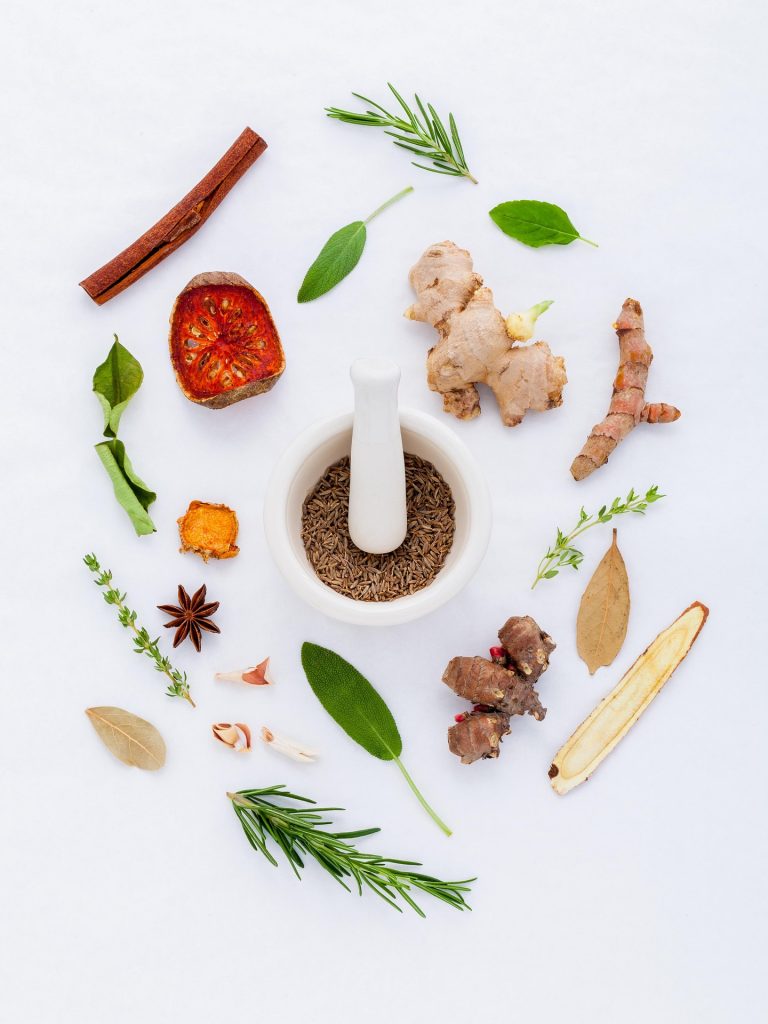
Turmeric is famous for its bright yellow color and powerful compound called curcumin. Curcumin can reduce inflammation in the body, which is a major contributor to chronic pain. Studies show it can help ease arthritis and joint pain.
How to use it: Add turmeric to soups, stews, or smoothies. For better results, pair it with black pepper to help your body absorb it better.
2. Ginger
Ginger is another spice with strong anti-inflammatory properties. It can help reduce pain and stiffness, especially in people with arthritis.
How to use it: Drink ginger tea, add fresh ginger to stir-fries, or blend it into smoothies.
3. Fatty Fish (Salmon, Mackerel, Sardines)
Salmon, mackerel, and other fatty fish are packed with omega-3 fatty acids, which help fight inflammation and can relieve joint pain and stiffness.
How to use it: Try to eat fatty fish at least twice a week. You can bake, grill, or sauté it with your favorite vegetables.
4. Berries
Berries, like blueberries, strawberries, and raspberries, are packed with antioxidants that help reduce inflammation. They also have vitamins that protect the body from further damage.
How to use it: Add fresh berries to your morning oatmeal or snack on them during the day.
5. Leafy Greens (Spinach, Kale, Swiss Chard)
Leafy greens are full of vitamins and antioxidants that can reduce inflammation. Kale and spinach are especially high in vitamin K, which can help reduce joint pain.
How to use it: Include leafy greens in salads, smoothies, or as a side dish to your meals.
6. Olive Oil
Olive oil is a healthy fat that contains a compound called oleocanthal, which has anti-inflammatory effects similar to over-the-counter pain relievers.
How to use it: Use olive oil as a base for salad dressings, or drizzle it over vegetables and pasta dishes.
7. Nuts and Seeds (Walnuts, Almonds, Chia seeds, Flax seeds)
Nuts and seeds are rich in healthy fats and omega-3s, which help fight inflammation. Walnuts and flax seeds are especially known for their anti-inflammatory effects.
How to use it: Snack on a handful of nuts or sprinkle seeds on your salads or yogurt.
8. Green Tea
Green tea contains catechins, antioxidants that help reduce inflammation and pain. Drinking green tea regularly can help ease symptoms of arthritis and other inflammatory conditions.
How to use it: Drink 1-2 cups of green tea daily. You can also add a splash of lemon or honey for extra flavor.
9. Garlic
Garlic has natural anti-inflammatory and immune-boosting properties. It’s been shown to help with pain relief, especially in people with joint inflammation.
How to use it: Add garlic to soups, sauces, or roasted vegetables for a tasty, pain-fighting boost.
10. Avocados
Avocados are full of monounsaturated fats and vitamin E, which are known to reduce inflammation in the body. These healthy fats also support joint and tissue health.
How to use it: Spread avocado on toast, add it to salads, or make guacamole as a snack.
Incorporating These Foods into Your Daily Meals
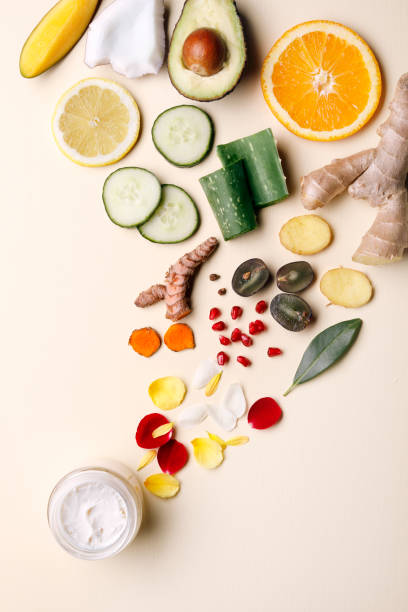
Incorporating these anti-inflammatory foods into your diet doesn’t have to be complicated. Try to mix and match them in your daily meals. For example, start your day with a smoothie that includes berries, leafy greens, and flax seeds. For lunch, have a salad with olive oil and avocado. Add fatty fish to your dinner at least twice a week, and drink green tea in the afternoon. Even small adjustments to your diet can have a significant.
Conclusion
Eating a diet rich in anti-inflammatory foods can be a powerful way to help reduce chronic pain. These foods not only help lower inflammation but also support your overall health. By including these 10 foods in your meals, you may start to experience less pain and greater comfort in your daily life. Remember, while diet is important, it’s just one part of managing chronic pain, so be sure to consult your doctor for a comprehensive approach.
FAQs About Anti-Inflammatory Foods for Chronic Pain Relief
1. Can these foods cure chronic pain?
These foods can help reduce pain and inflammation but should not replace medical treatment. They can be part of a pain management plan alongside other strategies.
2. How soon will I feel better?
Results vary from person to person. Some people may feel relief within a few days, while others may take weeks to notice a difference. Consistency is key.
3. Are there any side effects?
Generally, these foods are safe for most people. However, if you have allergies or specific health conditions, it’s always a good idea to check with your doctor first.
4. Can I rely on supplements instead of including these foods in my diet?
Supplements can help, but whole foods provide additional nutrients that work together for better results. Try to focus on a balanced diet with real food.
5. Which is the best food for pain relief?
There isn’t one “best” food for everyone. However, fatty fish, turmeric, and leafy greens are often recommended for their strong anti-inflammatory effects.