Poor posture is a common problem, especially for office workers who spend long hours sitting at a desk. Over time, bad posture can lead to back pain, neck stiffness, muscle fatigue, and even long-term spinal issues. The good news is that posture correction is possible with the right approach, including simple exercises, awareness, and supportive tools.
In this guide, you will learn how to improve your posture naturally using easy techniques, effective exercises, and practical daily habits.

Why Posture Correction is Important
Good posture keeps your body aligned, reduces strain on muscles, and supports overall health. On the other hand, poor posture can cause:
- Chronic back and neck pain
- Reduced flexibility and mobility
- Muscle imbalance
- Poor breathing and circulation
Whether you have a desk job or an active lifestyle, focusing on posture correction can significantly improve your daily comfort and long-term health.
Common Types of Poor Posture
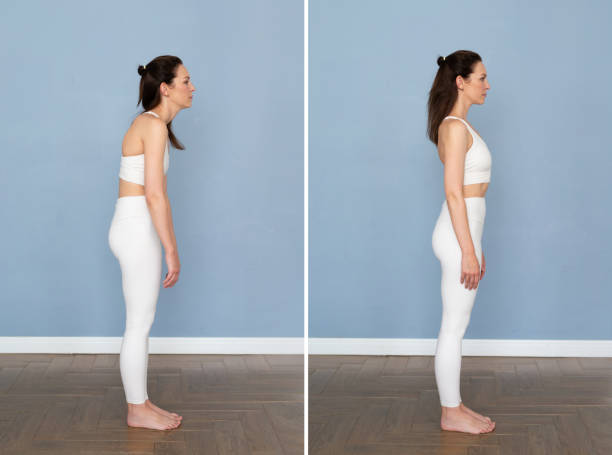
Understanding your posture type helps you choose the right correction method.
🔹 Sway Back Posture
This happens when the hips push forward and the upper body leans backward. It often causes lower back pain and stiffness.
🔹 Flat Back Posture
In this posture, the natural curve of the spine is reduced, making the back look straight. It can lead to discomfort and limited movement.
🔹 Forward Head and Rounded Shoulders
Common among office workers, this posture results from looking at screens for long hours, leading to neck and upper back pain.
Effective Posture Correction Techniques
1. Posture Awareness
Start by noticing how you sit, stand, and walk. Keep your:
- Back straight
- Shoulders relaxed
- Chin slightly tucked
2. Ergonomic Setup
Adjust your workspace:
- Screen at eye level
- Chair supports your lower back
- Feet flat on the floor
3. Use Supportive Tools
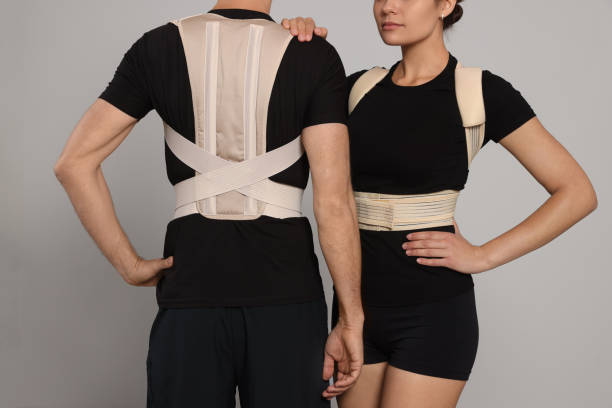
Devices like a back posture corrector or back posture brace can help remind your body to stay aligned. A lower back posture corrector is especially useful for people with lumbar discomfort.
Best Posture Exercises for Daily Routine
Adding posture exercises to your routine can strengthen muscles and improve alignment.
🔹 1. Chin Tucks (Neck Posture Exercises)
- Sit or stand straight
- Gently pull your chin backward
- Hold for 5 seconds and repeat
This helps correct forward head posture.
🔹 2. Shoulder Blade Squeeze
- Sit upright
- Pull your shoulder blades together
- Hold for 5–10 seconds
This strengthens upper back muscles.
🔹 3. Wall Posture Exercise
- Stand against a wall
- Keep your head, shoulders, and hips touching it
- Hold for 20–30 seconds
A simple and effective fix posture exercise.
🔹 4. Cat-Cow Stretch
- Get on hands and knees
- Alternate between arching and rounding your back
Improves spine flexibility and posture alignment.
🔹 5. Pelvic Tilt (For Lower Back)
- Lie on your back
- Tighten your core and flatten your lower back
- Hold for a few seconds
Helps improve lower spine posture.
Role of Posture Correction Therapy
If your posture issues are severe or causing pain, posture correction therapy can be very helpful. A physiotherapist can:
- Assess your posture type
- Create a personalized exercise plan
- Use manual techniques to relieve tension
- Guide you on proper body mechanics
This approach ensures long-term improvement rather than temporary relief.
Do Posture Braces Really Work?
Many people use a back posture brace or back posture corrector for support. These tools can:
- Help maintain proper alignment
- Reduce slouching habits
- Provide support during long sitting hours
However, they should not replace exercises. The best results come from combining braces with strengthening routines.
Daily Tips to Maintain Good Posture
- Avoid sitting for long hours without breaks
- Stretch every 30–60 minutes
- Keep your phone at eye level
- Sleep on a supportive mattress
- Stay physically active
Small daily habits can make a big difference in posture correction.
Conclusion
Improving your posture is not difficult, but it requires consistency and awareness. By combining simple posture exercises, ergonomic adjustments, and supportive tools, you can reduce pain and improve your overall well-being.
Whether you are dealing with sway back posture, flat back posture, or general discomfort, taking steps today will help you build a healthier, pain-free future.
FAQs
❓ What is the fastest way for posture correction?
The fastest way is a combination of daily posture exercises, ergonomic adjustments, and staying mindful of your sitting and standing habits.
❓ Do posture correctors really help?
Yes, a back posture corrector can support alignment, but it should be used along with exercises for long-term results.
❓ How long does it take to fix posture?
It depends on the severity, but most people notice improvement within a few weeks of consistent practice.
❓ Which exercises are best for posture correction?
Chin tucks, shoulder blade squeezes, wall posture exercise, and stretching routines are highly effective.
❓ Can poor posture cause back pain?
Yes, poor posture puts extra stress on muscles and joints, leading to back, neck, and shoulder pain.