
Muscle pain is one of the most common health complaints affecting people of all ages. Whether it’s due to overuse, injury, or stress, finding effective muscle pain relief is essential for maintaining a healthy and active lifestyle. From mild soreness to severe discomfort, muscle pain can interfere with daily activities and reduce overall quality of life.
In this guide, we will explore the causes of muscle pain, effective treatment options, and practical strategies to speed up recovery.
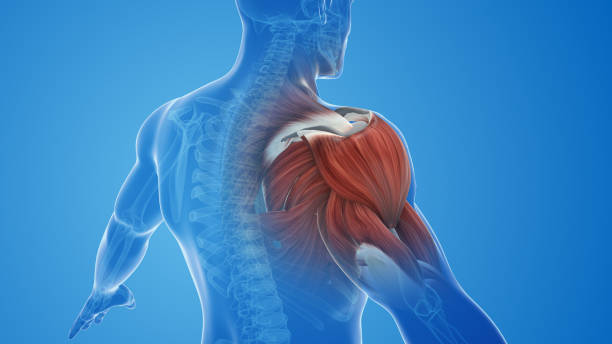
What Causes Muscle Pain?
Muscle pain can develop for several reasons, including physical strain, poor posture, or underlying health conditions. Some of the most common causes include:
1. Muscle Strains and Injuries
A muscle strain in back or a muscle strain in chest often occurs when muscles are overstretched or torn. These injuries are common during heavy lifting, sudden movements, or intense workouts.
2. Core Muscle Injury
A core muscle injury affects the muscles in your abdomen and lower back. These muscles are essential for stability and movement. When injured, they can cause significant discomfort and limit mobility.
3. Intercostal Muscle Strain
An intercostal muscle strain occurs between the ribs and is often caused by twisting motions, heavy lifting, or sudden impacts. This condition can make breathing painful and uncomfortable.
4. Trapezius Muscle Pain
Trapezius muscle pain is commonly linked to poor posture, stress, or long hours of sitting. It affects the upper back and neck area, often leading to stiffness and tension headaches.
Symptoms of Muscle Pain
Recognizing the symptoms early can help you find faster muscle pain relief. Common symptoms include:
- Muscle stiffness or tightness
- Swelling or inflammation
- Limited range of motion
- Sharp or dull aching pain
- Weakness in the affected area
Effective Muscle Pain Relief Methods
1. Rest and Recovery
Giving your muscles time to heal is crucial. Avoid activities that worsen the pain and allow the body to repair itself naturally.
2. Stretching Exercises
Gentle stretching improves flexibility and reduces tension.
- Neck muscle stretches help relieve stiffness caused by poor posture
- Psoas muscle stretches are highly effective for lower back and hip pain
Regular stretching plays a key role in long-term muscle pain relief.
3. Heat and Cold Therapy
- Cold packs reduce inflammation and swelling
- Heat therapy relaxes tight muscles and improves blood flow
Alternating between the two can provide faster relief.
4. Medications and Muscle Relaxers
In more severe cases, doctors may recommend a muscle relaxer to ease tension and reduce pain. These medications help calm muscle spasms and improve comfort.
5. Massage Therapy
Massage improves circulation and reduces muscle stiffness. It is especially beneficial for trapezius muscle pain and stress-related discomfort.
6. Muscle Recovery Supplement
Using a muscle recovery supplement can support healing by providing essential nutrients such as magnesium, protein, and amino acids. These supplements help repair damaged tissues and reduce soreness after exercise.

Best Exercises for Muscle Pain Relief
Exercise plays a major role in both prevention and recovery. Some effective movements include:
- Gentle yoga stretches
- Light walking
- Mobility exercises
- Core strengthening routines
Always start slowly and avoid overexertion to prevent further injury.
Preventing Muscle Pain
Prevention is always better than treatment. Here are some simple tips:
- Maintain proper posture while sitting and standing
- Warm up before exercise
- Stay hydrated
- Avoid overtraining
- Use ergonomic furniture
Taking these steps can significantly reduce the risk of muscle injuries.
When to See a Doctor
While most muscle pain resolves on its own, you should seek medical help if:
- Pain persists for more than a week
- Severe swelling or bruising occurs
- You experience difficulty breathing (possible intercostal muscle strain)
- Movement becomes extremely limited
Early diagnosis can prevent complications and speed up recovery.
Natural Remedies for Muscle Pain Relief
If you prefer natural solutions, try these options:
- Turmeric and ginger for inflammation
- Epsom salt baths to relax muscles
- Herbal oils for massage
- Adequate sleep for recovery
These remedies are safe and effective for mild to moderate pain.

Conclusion
Muscle pain can be uncomfortable, but with the right approach, effective muscle pain relief is achievable. Understanding the cause—whether it’s a core muscle injury, trapezius muscle pain, or muscle strain in back helps you choose the best treatment.
Combining rest, stretching, proper nutrition, and supportive therapies like a muscle recovery supplement can significantly speed up healing. By adopting healthy habits and preventive measures, you can reduce the chances of recurring pain and enjoy a more active, pain-free life.
FAQs About Muscle Pain Relief
1. What is the fastest way to get muscle pain relief?
Rest, cold therapy, and gentle stretching are the quickest ways to reduce muscle pain.
2. Are muscle relaxers safe to use?
Yes, a muscle relaxer is safe when prescribed by a doctor, but it should not be used long-term without medical advice.
3. How long does a muscle strain take to heal?
Mild strains heal within a few days, while severe injuries may take weeks.
4. Can supplements help with muscle recovery?
Yes, a muscle recovery supplement can support healing by providing essential nutrients.
5. What exercises help reduce muscle pain?
Light stretching, yoga, and low-impact exercises are effective for pain relief.
6. Is stretching necessary for recovery?
Yes, exercises like neck muscle stretches and psoas muscle stretches improve flexibility and speed up recovery.