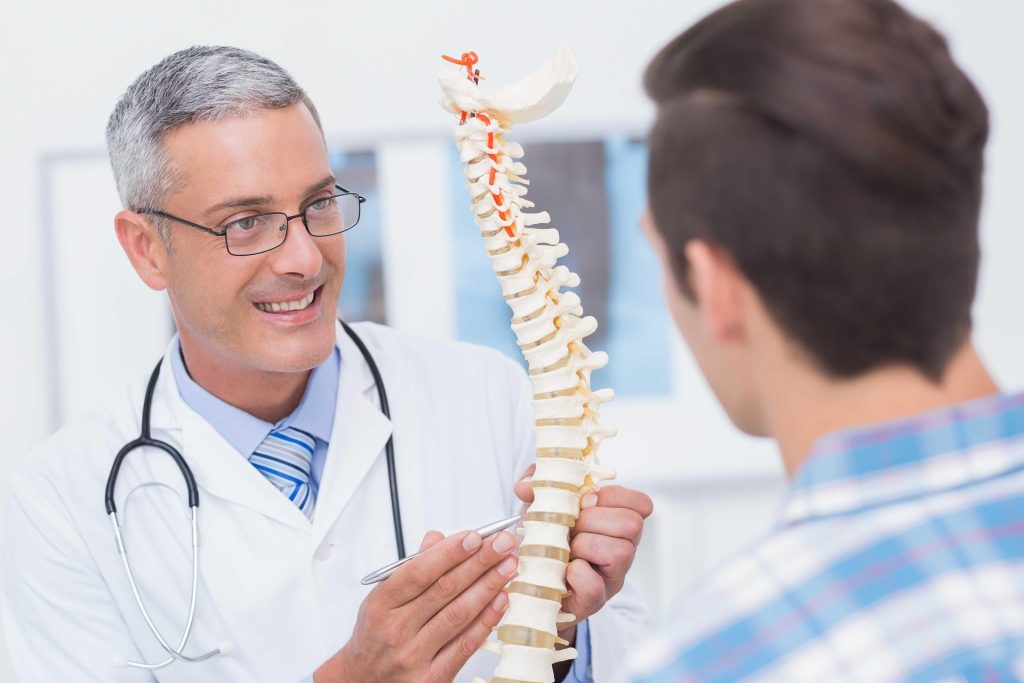
A spinal cord injury can change a person’s life in an instant. From mobility challenges to emotional stress, recovery is often a long and complex journey. However, with the right approach to spinal cord injury rehab, many individuals can regain independence, improve function, and enhance their quality of life.
This guide explains everything you need to know about spinal cord injury recovery, rehabilitation strategies, and the importance of medical and legal support.
What is a Spinal Cord Injury?
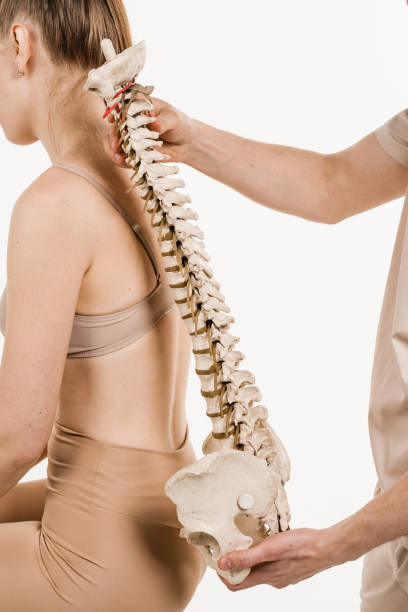
A spinal cord injury (SCI) occurs when damage to the spinal cord disrupts communication between the brain and the body. This can result in partial or complete loss of movement, sensation, or both.
Spinal cord injuries are commonly caused by:
- Road accidents
- Falls
- Sports injuries
- Violence or trauma
The severity of the injury depends on the level of damage in the spine.
Understanding Injury Levels: C5 and C6 Spinal Cord Injury
The cervical spine (neck region) is one of the most critical areas affected by SCI.
C5 Spinal Cord Injury
A c5 spinal cord injury may result in:
- Limited shoulder and arm movement
- Difficulty with independent daily activities
- Need for assistive devices
C6 Spinal Cord Injury
A c6 spinal cord injury typically allows:
- Better arm and wrist movement
- Some level of independence in self-care
- Improved ability to use a wheelchair
Understanding the injury level helps create a personalized spinal cord injury rehab plan.
The Importance of Spinal Cord Injury Rehab
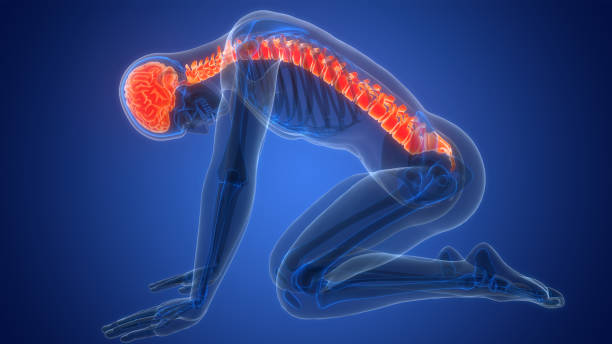
Spinal cord injury rehab is essential for maximizing recovery. It focuses on improving strength, mobility, and independence while preventing complications.
Key Goals of Rehabilitation:
- Restore as much movement as possible
- Improve muscle strength and coordination
- Prevent muscle stiffness and pressure sores
- Enhance mental and emotional well-being
Rehabilitation often begins shortly after injury and continues for months or even years.
Effective Spinal Cord Injury Recovery Strategies
1. Physiotherapy
Physiotherapy plays a central role in spinal cord injury recovery. It includes:
- Range-of-motion exercises
- Strength training
- Balance and coordination exercises
2. Occupational Therapy
Helps patients relearn daily tasks such as:
- Eating
- Dressing
- Personal hygiene
3. Assistive Devices
Tools like wheelchairs, braces, and adaptive equipment support independence.
4. Pain Management
Managing chronic pain is crucial through:
- Therapy techniques
- Medications (if prescribed)
- Lifestyle adjustments
5. Emotional Support
Mental health is just as important as physical recovery. Counseling and support groups can help individuals cope with life changes.
Home-Based Spinal Cord Injury Rehab Tips
Recovery doesn’t stop at the hospital. Home care is equally important.
- Follow a structured exercise routine
- Maintain a healthy, balanced diet
- Avoid prolonged immobility
- Practice safe movement techniques
- Stay consistent with therapy sessions
Consistency is key in spinal cord injury recovery.
Legal Support: Why It Matters
In many cases, spinal cord injuries are caused by accidents or negligence. Seeking legal help can provide financial support for treatment and rehabilitation.
- A spinal cord injury attorney can help you claim compensation
- A spinal cord injury lawyer understands complex injury cases
- Spinal injury solicitors can guide you through legal procedures
Legal assistance ensures access to better healthcare, therapy, and long-term care resources.
Challenges in Spinal Cord Injury Recovery
Recovery is not always straightforward. Some common challenges include:
- Limited mobility
- Muscle weakness
- Emotional stress or depression
- Risk of secondary complications
However, with proper spinal cord injury rehab, these challenges can be managed effectively.
Long-Term Outlook
While some individuals may not regain full function, many achieve significant improvements through rehabilitation. Advances in medical science, therapy techniques, and assistive technology continue to improve outcomes.
Patience, consistency, and support are essential for long-term success.
Conclusion
A spinal cord injury is a serious condition, but recovery is possible with the right combination of medical care, rehabilitation, and emotional support. From understanding injury levels like c5 spinal cord injury and c6 spinal cord injury to following a structured spinal cord injury rehab plan, every step plays a crucial role in healing.
Additionally, seeking help from a spinal cord injury attorney, spinal cord injury lawyer, or spinal injury solicitors can ensure you receive the financial support needed for proper care.
With dedication and the right guidance, individuals can rebuild their lives and achieve greater independence.
FAQs About Spinal Cord Injury
❓ What is the fastest way to improve spinal cord injury recovery?
Consistent rehabilitation, physiotherapy, proper nutrition, and emotional support can significantly improve recovery speed.
❓ Can a spinal cord injury fully heal?
Complete healing depends on the severity of the injury. Some people regain function, while others may have long-term limitations.
❓ How long does spinal cord injury rehab take?
Rehabilitation can take months to years, depending on the injury level and individual progress.
❓ What exercises are best for spinal cord injury rehab?
Range-of-motion, strengthening, and mobility exercises guided by a physiotherapist are most effective.
❓ Why should I consult a spinal cord injury lawyer?
A lawyer can help you receive compensation for medical expenses, rehabilitation, and long-term care.