Breathing is something most people take for granted until lung congestion, excessive mucus, or respiratory illness makes every breath difficult. When mucus accumulates in the airways, it can block airflow, increase the risk of infection, and make breathing uncomfortable. This is where chest physiotherapy becomes an effective treatment option.
Chest physiotherapy is a specialized therapy designed to help clear mucus from the lungs, improve breathing, and support overall respiratory health. It is commonly recommended for individuals with chronic lung conditions, respiratory infections, and certain neurological disorders that affect coughing ability.
In this comprehensive guide, we will discuss torso physiotherapy, its benefits, various bosom Physiotherapy Techniques, conditions it treats, home care tips, and frequently asked questions.
What Is Chest Physiotherapy?
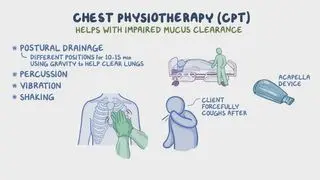
torso physiotherapy is a therapeutic approach that helps remove mucus and secretions from the lungs and airways. The treatment uses manual techniques, breathing exercises, body positioning, and specialized devices to improve lung function and make breathing easier.
The primary goal of bosom physiotherapy is to:
- Loosen thick mucus
- Improve airflow
- Enhance oxygen intake
- Reduce breathing difficulties
- Lower the risk of lung infections
This therapy is often performed by physiotherapists, respiratory therapists, or trained caregivers under professional guidance.
Why Is Chest Physiotherapy Important?
Healthy lungs naturally remove mucus through coughing and normal airway function. However, certain conditions can cause excessive mucus buildup, making it difficult for the body to clear secretions on its own.
When mucus remains trapped inside the lungs, it may lead to:
- Breathing difficulties
- Frequent chest infections
- Reduced oxygen levels
- Persistent coughing
- Fatigue and weakness
Regular rib cage physiotherapy helps maintain clear airways and supports healthier breathing.
Conditions Treated With Chest Physiotherapy
Healthcare professionals may recommend physiotherapy for several respiratory and neurological conditions.
Chronic Obstructive Pulmonary Disease (COPD)
COPD often causes excessive mucus production and airway blockage. Chest physiotherapy helps improve airflow and reduce breathing discomfort.
Pneumonia
Patients recovering from pneumonia may benefit from chest physiotherapy to clear residual mucus and improve lung expansion.
Bronchiectasis
This chronic condition causes enlarged airways that trap mucus. Chest physiotherapy plays a major role in symptom management.
Cystic Fibrosis
Individuals with cystic fibrosis frequently use chest physiotherapy to remove thick mucus and reduce respiratory complications.
Asthma
Although not required for every asthma patient, chest physiotherapy may help when mucus retention contributes to breathing problems.
Neurological Disorders
Conditions such as muscular dystrophy, spinal cord injuries, and Parkinson’s disease can weaken coughing ability. Chest physiotherapy assists in mucus clearance.
Post-Surgical Recovery
After chest or abdominal surgery, patients may have difficulty taking deep breaths or coughing effectively. Physiotherapy helps prevent lung complications.
How Chest Physiotherapy Works
The treatment focuses on loosening mucus and helping it move toward larger airways where it can be coughed out more easily.
A typical session may include:
- Controlled breathing exercises
- Chest percussion
- Vibrations
- Postural drainage positions
- Assisted coughing techniques
- Airway clearance devices
These methods work together to improve lung function and respiratory efficiency.
Most Effective Chest Physiotherapy Techniques
Several Physiotherapy Techniques are used depending on the patient’s condition and needs.
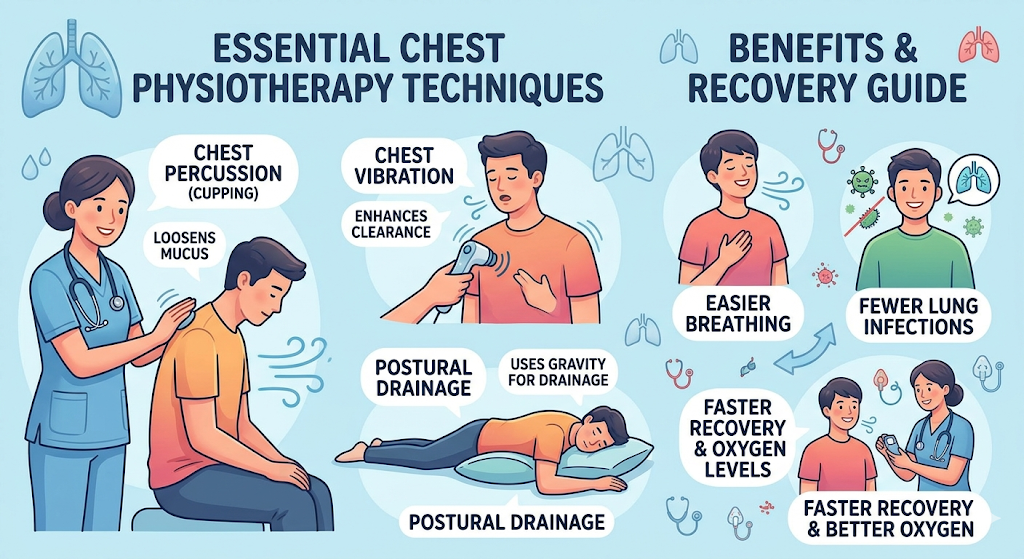
1. Chest Percussion
Chest percussion involves rhythmic tapping on the chest or back using cupped hands.
This technique:
- Loosens mucus
- Breaks up secretions
- Helps move mucus toward larger airways
It is one of the most widely used airway clearance methods.
2. Chest Vibration
Vibration is performed by placing hands on the chest wall and creating gentle shaking movements during exhalation.
Benefits include:
- Improved mucus movement
- Better airway clearance
- Reduced chest congestion
3. Postural Drainage
Postural drainage uses gravity to help mucus drain from different parts of the lungs.
Patients are placed in specific positions such as:
- Lying on the side
- Lying on the stomach
- Sitting upright
- Reclined positions
Each position targets different lung segments.
4. Deep Breathing Exercises
Breathing exercises encourage full lung expansion and improve oxygen exchange.
Common techniques include:
- Diaphragmatic breathing
- Pursed-lip breathing
- Segmental breathing
These exercises also help reduce shortness of breath.
5. Active Cycle of Breathing Technique (ACBT)
ACBT combines:
- Breathing control
- Deep breathing
- Huff coughing
This method effectively clears mucus without causing excessive fatigue.
6. Positive Expiratory Pressure (PEP) Therapy
PEP devices create resistance during exhalation.
Benefits include:
- Keeping airways open
- Improving mucus movement
- Enhancing lung ventilation
Benefits of Chest Physiotherapy
Regular physiotherapy offers numerous health benefits.
Easier Breathing
By clearing mucus from the airways, patients often experience immediate breathing improvement.
Reduced Lung Infections
Removing trapped secretions lowers the risk of bacterial growth and recurring infections.
Better Oxygen Levels
Clear airways improve oxygen delivery throughout the body.
Enhanced Physical Activity
Patients often find walking, exercising, and daily tasks easier after treatment.
Improved Quality of Life
Reduced symptoms lead to greater comfort and independence.
Faster Recovery
Chest physiotherapy supports recovery from respiratory illnesses and surgeries.
Physiotherapy Exercises You Can Practice
Under professional guidance, the following exercises may help improve respiratory function:
Diaphragmatic Breathing
- Place one hand on your chest and one on your abdomen.
- Breathe deeply through the nose.
- Allow the abdomen to rise.
- Exhale slowly through the mouth.
Huff Coughing
- Take a deep breath.
- Keep your mouth open.
- Forcefully exhale while saying “huff.”
This helps move mucus without excessive strain.
Controlled Coughing
- Sit comfortably.
- Take two deep breaths.
- Use a strong cough to remove loosened mucus.
Can Chest Physiotherapy Be Done at Home?
Yes. Many patients perform chest physiotherapy at home after receiving proper instruction from a physiotherapist.
Home-based treatment may include:
- Breathing exercises
- Postural drainage
- Airway clearance devices
- Assisted percussion by a caregiver
Always follow professional recommendations to ensure safety and effectiveness.
Who Should Avoid Chest Physiotherapy?
Certain individuals may require special precautions or alternative treatments.
Consult a healthcare provider if you have:
- Recent chest injuries
- Rib fractures
- Severe osteoporosis
- Uncontrolled high blood pressure
- Active bleeding disorders
- Recent spinal surgery
- Severe chest pain
A professional assessment helps determine the safest treatment plan.
Signs You Should Seek Medical Attention
Contact a healthcare professional if you experience:
- Severe shortness of breath
- Chest pain
- Coughing up blood
- Blue lips or fingernails
- Sudden dizziness
- High fever with breathing difficulty
Prompt medical evaluation is important for serious respiratory symptoms.
Conclusion
Chest physiotherapy is an effective treatment that helps clear mucus, improve breathing, and support lung health. It plays a vital role in managing respiratory conditions such as COPD, bronchiectasis, pneumonia, cystic fibrosis, and post-surgical complications.
Using evidence-based Physiotherapy Techniques such as percussion, vibration, postural drainage, and breathing exercises can significantly improve airway clearance and overall quality of life. Whether performed in a clinical setting or at home under professional guidance, chest physiotherapy remains an important part of respiratory rehabilitation and recovery.
Frequently Asked Questions
What is chest physiotherapy used for?
physiotherapy is used to remove mucus from the lungs, improve breathing, and reduce the risk of respiratory infections.
Is chest physiotherapy painful?
No. Properly performed physiotherapy should not be painful, although some patients may feel mild discomfort during treatment.
How often should chest physiotherapy be performed?
The frequency depends on the individual’s condition. Some patients require daily sessions, while others may need treatment only during illness or recovery.
Can chest physiotherapy help COPD patients?
Yes. physiotherapy can help COPD patients clear mucus, improve breathing efficiency, and reduce flare-ups.
What are the most common Chest Physiotherapy Techniques?
The most common techniques include chest percussion, vibration, postural drainage, breathing exercises, huff coughing, and PEP therapy.
Can chest physiotherapy be done at home?
Yes. After receiving proper training from a physiotherapist, many patients safely perform chest physiotherapy at home.
Who benefits most from chest physiotherapy?
People with chronic respiratory diseases, lung infections, neurological disorders, or post-surgical breathing difficulties often benefit from chest physiotherapy.
How long does a chest physiotherapy session last?
A session typically lasts between 20 and 40 minutes, depending on the patient’s condition and treatment goals.