Ankle pain is a common issue that affects millions of people worldwide. Whether it’s a mild discomfort after a long walk, a sports-related injury, or chronic pain from arthritis, the impact on daily life can be significant. At PainReliefPhysio, we understand the importance of a healthy ankle and specialize in effective treatments for ankle pain relief, including targeted strategies for inner ankle pain relief.
This comprehensive guide will explore the causes, symptoms, treatment options, exercises, and prevention strategies for ankle pain. By the end of this article, you will have a clear understanding of how to manage pain, restore mobility, and prevent future injuries.
Understanding the Ankle: Anatomy and Function
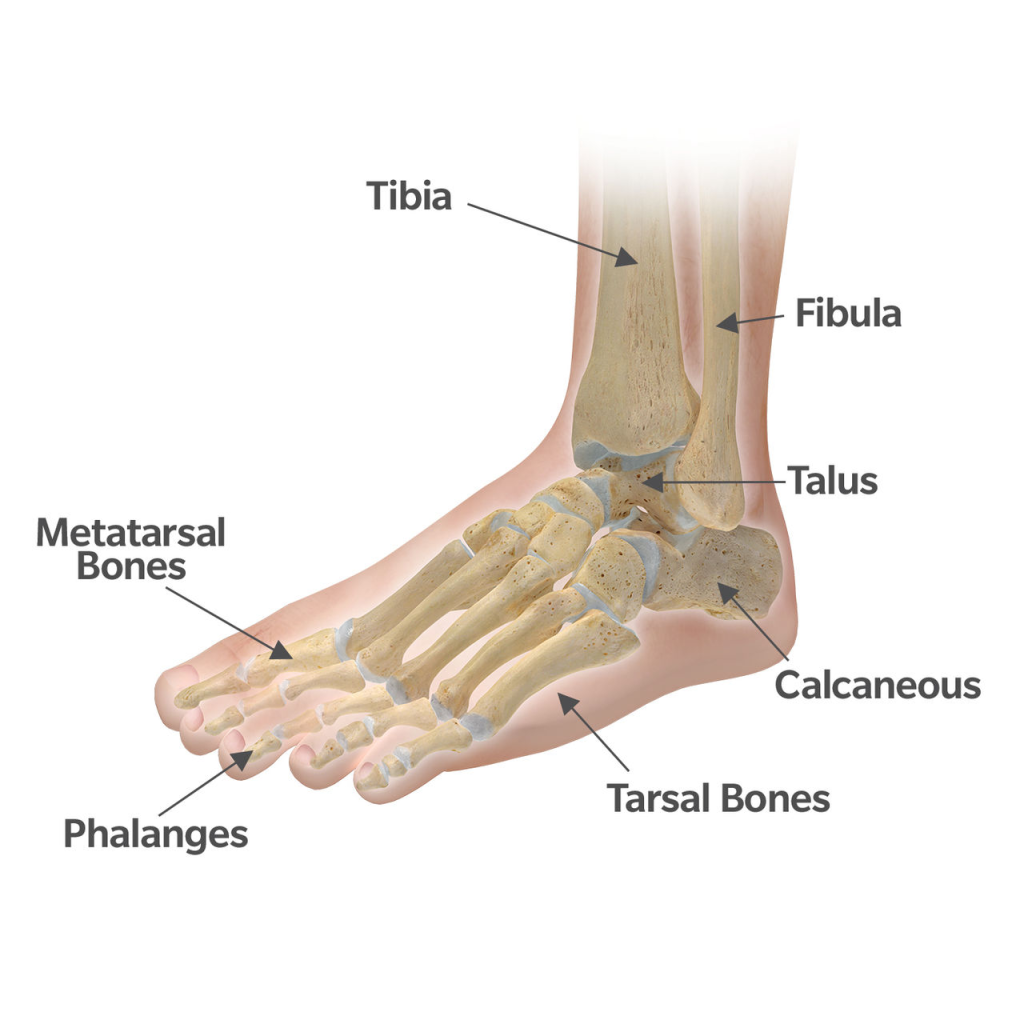
The ankle is a complex joint that connects the foot to the leg and allows for a wide range of movements, including walking, running, jumping, and balancing. It is composed of bones, ligaments, tendons, muscles, and cartilage, each playing a crucial role in stability and mobility.
Key components of the ankle:
- Bones: The tibia (shinbone), fibula (smaller leg bone), and talus (foot bone) form the ankle joint.
- Ligaments: These strong bands connect bones and provide stability. The lateral ligaments stabilize the outer ankle, while the medial ligaments stabilize the inner ankle.
- Tendons: Tendons connect muscles to bones, enabling movement. The Achilles tendon is one of the most well-known, while the tibialis posterior tendon supports the inner ankle.
- Muscles: Muscles control movement, absorb shock, and provide strength for balance and mobility.
Because the ankle bears the full weight of the body during standing and movement, it is prone to injuries and chronic conditions if not properly cared for. Understanding the ankle’s anatomy is the first step toward effective ankle pain relief.
Symptoms of Ankle Pain
Ankle pain can vary in intensity and type, depending on the cause. Common symptoms include:
- Sharp or dull pain in the joint
- Swelling or bruising around the ankle
- Stiffness or reduced range of motion
- Weakness or instability
- Pain localized to the inner ankle (medial side) or outer ankle (lateral side)
Inner ankle pain specifically refers to discomfort along the inner side of the ankle, often caused by ligament strain, tendonitis, or overuse. Differentiating between general ankle pain and inner ankle pain is essential for targeted treatment.
Causes of Ankle Pain
Ankle pain can arise from acute injuries, chronic conditions, or repetitive stress. Understanding the root cause helps determine the most effective treatment strategy.
1. Acute Injuries
- Sprains: Stretching or tearing of ligaments, commonly caused by twisting the ankle.
- Fractures: Broken bones in the ankle, often from falls or high-impact sports.
- Dislocations: When the bones in the ankle move out of alignment due to trauma.
2. Chronic Conditions
- Arthritis: Degeneration of the joint causing pain, swelling, and stiffness.
- Tendonitis: Inflammation of the tendons due to overuse or strain.
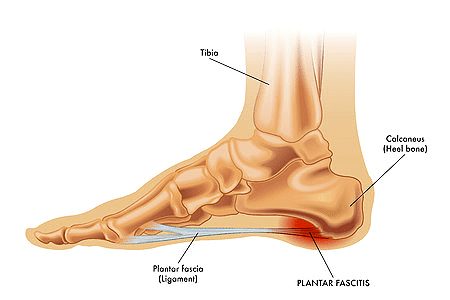
- Plantar fasciitis: Inflammation of the tissue on the bottom of the foot that can affect ankle stability.
3. Overuse and Lifestyle Factors
- Prolonged standing or walking on hard surfaces
- Wearing unsupportive shoes
- Poor posture or improper exercise techniques
By identifying the cause of your ankle pain, you can adopt the right strategies for ankle pain relief and prevent recurring injuries.
Effective Strategies for Ankle Pain Relief
Recovering from ankle pain requires a combination of rest, physiotherapy, exercises, and lifestyle adjustments. Here are proven strategies to restore mobility and reduce discomfort:
1. Rest and Protection
Allowing the ankle to rest prevents further damage. Use supportive footwear, braces, or compression wraps to stabilize the joint. Avoid high-impact activities until pain subsides.
2. Ice and Heat Therapy
- Ice therapy: Reduces inflammation and numb acute pain. Apply for 15–20 minutes several times a day.
- Heat therapy: Helps relax muscles and improve blood flow during chronic pain or stiffness. Use warm compresses for 10–15 minutes.
3. Physiotherapy and Manual Therapy
Physiotherapy is crucial for both ankle pain relief and inner ankle pain relief. Techniques include:
- Joint mobilization to restore range of motion
- Soft tissue massage to relieve tension
- Stretching exercises for muscles and tendons
- Strengthening exercises for stability
4. Medication and Pain Management
Over-the-counter pain relievers, such as ibuprofen, can help reduce inflammation. In more severe cases, your physiotherapist or doctor may recommend prescription options or injections.
5. Lifestyle Modifications
- Wear supportive shoes with cushioning and arch support
- Avoid uneven surfaces to prevent ankle twists
- Gradually increase activity intensity to prevent overuse injuries
Inner Ankle Pain Relief
Inner ankle pain, also known as medial ankle pain, often requires specialized treatment. This type of pain usually affects the tibialis posterior tendon, the deltoid ligament, or the inner joint cartilage.
Effective strategies for inner ankle pain relief:
1. Targeted Exercises
- Tibialis posterior strengthening: Pulling the foot inward against resistance bands strengthens the tendon supporting the inner ankle.
- Calf stretches: Flexibility in the calves reduces strain on the inner ankle.
- Balance exercises: Standing on one leg or using a wobble board enhances stability and prevents recurrent injuries.
2. Orthotics and Supportive Footwear
Custom orthotics can redistribute weight, reduce stress on the inner ankle, and correct pronation issues. Supportive shoes with proper arch support are essential for long-term pain relief.
3. Manual Therapy
Physiotherapists may use massage, stretching, and joint mobilization techniques to relieve tension and improve mobility in the inner ankle.
4. Gradual Load-Bearing
Slowly reintroducing weight-bearing activities allows the inner ankle structures to strengthen without overloading injured tissue.
Rehabilitation and Prevention
After acute pain subsides, rehabilitation is critical to avoid future injuries.
Strengthening Exercises
- Calf raises (both double-leg and single-leg)
- Resistance band exercises for inversion, eversion, and dorsiflexion
- Toe curls and foot arch strengthening
Balance and Proprioception Training
- Single-leg stands on stable and unstable surfaces
- Wobble boards or balance pads
- Heel-to-toe walking
Lifestyle Adjustments
- Maintain a healthy weight to reduce ankle stress
- Warm-up before exercise
- Wear appropriate footwear for your activity
- Avoid sudden changes in activity intensity
Preventing injuries not only reduces pain but also improves overall mobility and quality of life.
FAQs About Ankle Pain Relief
Q1: How long does it take to recover from ankle pain?
Recovery time varies depending on the cause. Mild sprains may improve within 2–4 weeks, while severe ligament injuries can take 3–6 months.
Q2: Can I walk with inner ankle pain?
Light walking is usually safe, but avoid activities that worsen pain. Consult a physiotherapist for guidance.
Q3: Are ankle braces effective?
Yes, they stabilize the joint, reduce strain on ligaments, and prevent further injury.
Q4: What exercises help inner ankle pain?
Tibialis posterior strengthening, calf stretches, and balance exercises are highly effective when performed correctly.
Q5: When should I see a doctor?
Seek medical attention if you experience severe pain, swelling, bruising, or inability to bear weight.
Q6: Can physiotherapy prevent future ankle injuries?
Absolutely. A physiotherapist can design personalized strengthening, stretching, and balance programs to prevent re-injury.
Q7: Does weight affect ankle pain?
Yes, extra weight increases stress on ankle joints, making them more susceptible to pain and injuries.
Conclusion
Ankle pain, whether general or specifically inner ankle pain, doesn’t have to limit your life. With early intervention, proper physiotherapy, targeted exercises, and lifestyle adjustments, most people achieve significant ankle pain relief and restore full mobility.
At PainReliefPhysio, our expert team is dedicated to helping you recover safely, strengthen your ankle, and prevent future injuries. Don’t let ankle pain hold you back—start your journey to pain-free movement today