
Waking up with a stiff neck can make even simple activities uncomfortable. Turning your head while driving, working on a computer, or looking down at your phone may suddenly become painful and difficult. While stiff neck pain is often caused by muscle strain or poor posture, it can sometimes indicate a more serious condition that requires medical attention.
Understanding the possible reasons behind neck stiffness can help you take the right steps toward recovery and prevent future discomfort.
What Is a Stiff Neck?
A stiff neck refers to reduced flexibility and difficulty moving the neck normally. It is often accompanied by pain, tightness, soreness, or muscle tension. Some people notice discomfort only when turning their head, while others experience constant pain throughout the day.
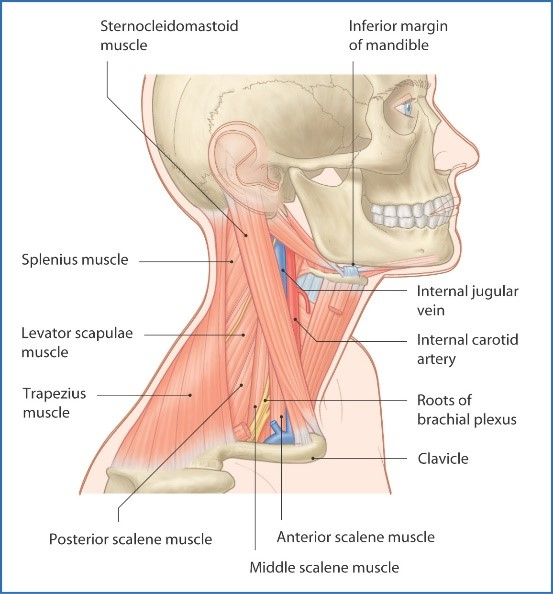
The neck contains muscles, joints, ligaments, nerves, and vertebrae that work together to support movement. When any of these structures become irritated or strained, stiffness can develop.
Most cases improve within a few days with proper care, but persistent symptoms should never be ignored.
Common Stiff Neck Pain Causes
Understanding the stiff neck pain cause is essential for choosing the right treatment. Several factors can contribute to neck stiffness.
Poor Sleeping Position
Sleeping with the neck twisted or unsupported is one of the most common reasons for waking up with neck pain. An unsuitable pillow or sleeping posture can strain neck muscles overnight.
Muscle Strain and Overuse
Long hours spent working on a computer, using mobile devices, reading, or driving can place excessive stress on neck muscles. Repetitive movements and prolonged static positions often lead to stiffness and discomfort.
Poor Posture
Modern lifestyles frequently involve looking down at screens for extended periods. This forward-head posture increases pressure on neck muscles and joints, leading to pain and restricted movement.
Stress and Muscle Tension
Emotional stress often causes muscles around the shoulders and neck to tighten. Over time, this tension can result in stiffness and reduced mobility.
Neck Injuries
Sudden movements during sports activities, falls, or vehicle accidents may damage muscles, ligaments, or joints in the neck. Whiplash injuries are particularly known for causing significant stiffness.
Cervical Disc Problems
Age-related changes or injuries can affect the discs between neck vertebrae. Bulging or herniated discs may irritate nearby nerves and contribute to pain and stiffness.
Arthritis
Degenerative conditions affecting the neck joints can gradually reduce flexibility and cause chronic discomfort, especially in older adults.
Infections and Serious Medical Conditions
In rare situations, neck stiffness may occur due to infections such as meningitis. This condition requires immediate medical attention and should never be ignored.
Symptoms That May Accompany a Stiff Neck
Besides stiffness, people may experience:
- Neck pain or soreness
- Difficulty turning the head
- Shoulder discomfort
- Muscle spasms
- Headaches
- Pain radiating into the upper back
- Tingling or numbness in the arms
- Reduced range of motion
Symptoms vary depending on the underlying cause and severity of the condition.
How Physiotherapy Helps Stiff Neck Pain
Physiotherapy is one of the most effective non-surgical approaches for managing neck stiffness. A physiotherapist evaluates the root cause of the problem and develops a personalized treatment plan.
Treatment may include:
- Manual therapy techniques
- Gentle stretching exercises
- Postural correction
- Joint mobilization
- Soft tissue release
- Strengthening exercises
- Ergonomic advice
- Home exercise programs
Physiotherapy not only relieves current symptoms but also helps prevent recurring episodes.
Effective Home Remedies for Neck Stiffness
Many mild cases of neck stiffness respond well to self-care measures.
Apply Heat
A warm shower, heating pad, or warm compress can relax tight muscles and improve blood circulation.
Gentle Neck Movements
Slow, controlled movements help maintain mobility and prevent muscles from becoming tighter.
Improve Posture
Keep screens at eye level and avoid slouching during work or daily activities.
Take Frequent Breaks
If you spend long periods sitting, stand up, stretch, and move around every 30 to 60 minutes.
Stay Hydrated
Proper hydration supports healthy muscles and spinal discs.
Use Supportive Pillows
Choose a pillow that keeps your neck aligned with your spine while sleeping.
Manage Stress
Relaxation techniques such as deep breathing, meditation, and light exercise may reduce muscle tension.
Preventing Future Neck Stiffness
Prevention is often easier than treatment. Consider these habits:
- Maintain proper posture throughout the day.
- Exercise regularly to strengthen neck and shoulder muscles.
- Adjust workstation ergonomics.
- Avoid holding your phone between your shoulder and ear.
- Use supportive sleeping positions.
- Stretch regularly if your work involves prolonged sitting.
- Take breaks from screens frequently.
Small lifestyle changes can significantly reduce the risk of recurring neck pain.
When Should You See a Healthcare Professional?
Although most cases improve on their own, professional evaluation is recommended if:
- Pain lasts longer than several days.
- Symptoms continue to worsen.
- Neck movement becomes severely restricted.
- Pain spreads into the arms.
- Numbness or weakness develops.
- Symptoms interfere with daily activities.
Certain warning signs require immediate medical attention.
Seek urgent care if neck stiffness occurs alongside:
- High fever
- Severe headache
- Confusion
- Sensitivity to light
- Persistent vomiting
- Extreme drowsiness
- Unexplained skin rash
These symptoms may indicate a serious medical condition requiring emergency treatment.
Conclusion
Stiff neck pain is a common problem that can result from poor posture, muscle strain, stress, sleeping positions, injuries, or underlying medical conditions. In many cases, symptoms improve with rest, gentle movement, and proper self-care. However, persistent or severe symptoms should be assessed by a healthcare professional.
Physiotherapy plays an important role in identifying the underlying stiff neck pain cause, reducing discomfort, restoring movement, and helping prevent future episodes. Taking early action can lead to faster recovery and improved quality of life.
Frequently Asked Questions (FAQs)
What is the most common stiff neck pain cause?
The most common cause is muscle strain from poor posture, prolonged screen use, or sleeping in an awkward position.
How long does stiff neck pain usually last?
Mild cases often improve within a few days. More severe cases may take several weeks depending on the underlying cause.
Can physiotherapy help a stiff neck?
Yes. Physiotherapy can reduce pain, improve mobility, strengthen supporting muscles, and prevent recurring stiffness.
Is a stiff neck a serious condition?
Most cases are temporary and harmless. However, neck stiffness accompanied by fever, severe headache, confusion, or sensitivity to light requires immediate medical attention.
Should I use heat or ice for a stiff neck?
Heat is generally effective for relaxing tight muscles and improving circulation. Ice may be useful shortly after an injury to reduce inflammation.
Can stress cause neck stiffness?
Yes. Stress often leads to muscle tension in the neck and shoulders, which can result in stiffness and discomfort.
What sleeping position is best for preventing neck pain?
Sleeping on your back or side with proper neck support is generally recommended. Avoid sleeping on your stomach whenever possible.
When should I see a physiotherapist for neck pain?
If pain persists for more than a few days, keeps returning, limits movement, or affects daily activities, a physiotherapy assessment is recommended.