Have you ever picked up a shopping bag, turned a door handle, or typed on your laptop only to notice discomfort in your wrist? Although the movement seems simple, it depends on one of the body’s most complex structures the wrist joint.
Many people ignore mild discomfort until everyday tasks become difficult. A small ache can gradually develop into persistent wrist joint pain, making it uncomfortable to grip objects, cook, write, or even hold a mobile phone. Understanding why wrist pain develops and how to manage it early can help prevent long-term problems.
Whether your discomfort started after an injury or appeared gradually over time, learning about your wrist is the first step toward recovery.
What Is the Wrist Joint?
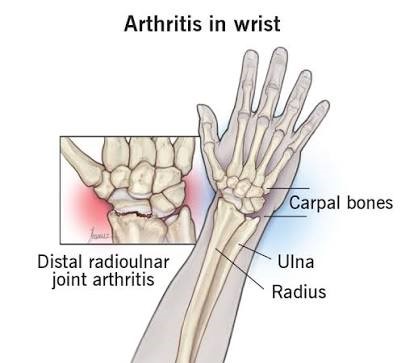
The wrist joint forms the connection between your forearm and hand. Instead of being a single joint, it is a combination of several small bones working together with ligaments, muscles, tendons, cartilage, and nerves.
This design allows the hand to perform a remarkable range of movements while remaining stable enough for lifting, pushing, pulling, and gripping.
Everyday activities rely on healthy wrist movement, including:
- Writing and typing
- Driving
- Cooking meals
- Playing sports
- Carrying groceries
- Using tools
- Holding children
- Gardening
Because the wrist is involved in almost every hand movement, even minor irritation can interfere with your daily routine.
Why Does Wrist Joint Pain Develop?
Pain is your body’s way of telling you that something is not functioning normally. Sometimes the cause is obvious, such as falling onto your hand. In other cases, discomfort develops slowly after weeks or months of repeated strain.
Rather than being a condition itself, wrist joint pain is usually a symptom of an underlying problem.
Some people experience occasional soreness after physical activity, while others notice stiffness every morning. The pattern often provides important clues about the cause.
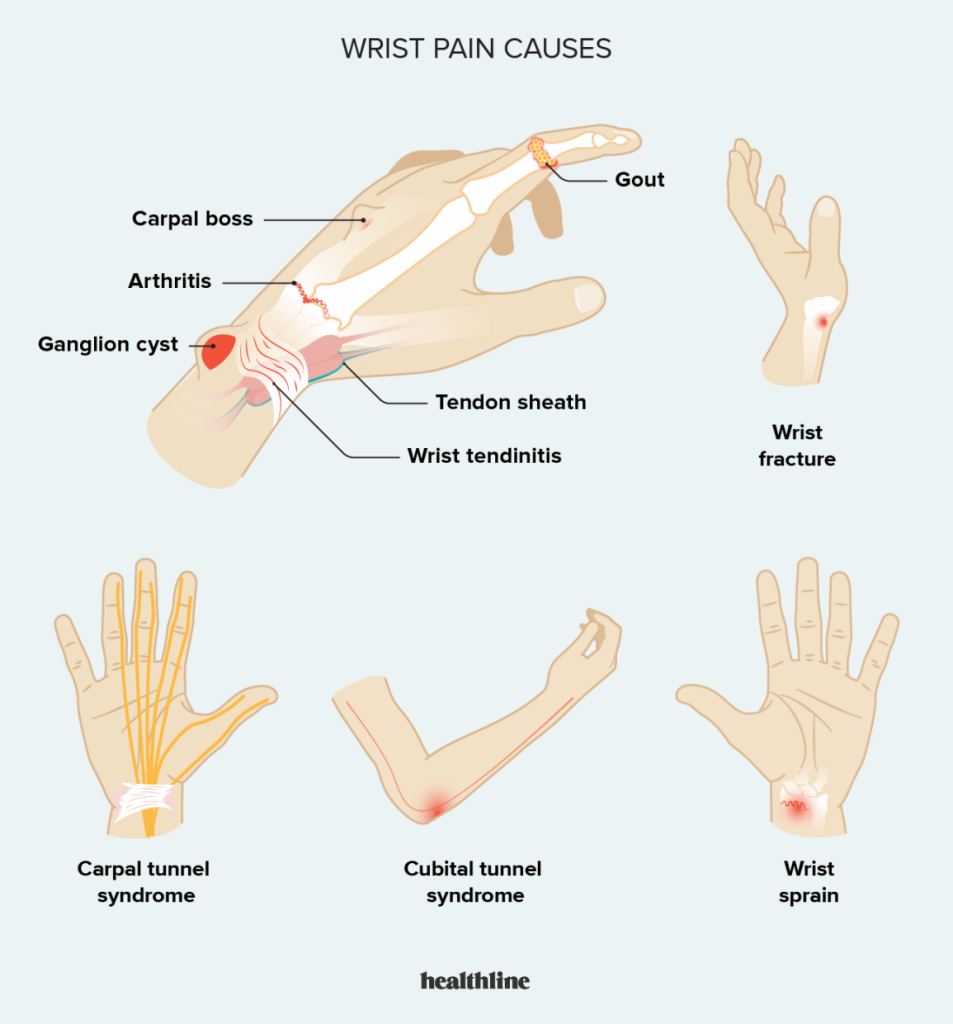
Common Causes of Wrist Joint Pain
Repetitive Hand Movements
Modern lifestyles involve frequent use of computers, smartphones, and handheld devices. Repeating the same wrist motion throughout the day can place continuous stress on muscles and tendons.
This is commonly seen among:
- Office workers
- Students
- Graphic designers
- Tailors
- Hairdressers
- Mechanics
- Gamers
- Cashiers
Without regular breaks, tissues may become irritated, resulting in discomfort that gradually worsens.
Sports place significant pressure on the wrist.
Activities such as:
- Tennis
- Cricket
- Badminton
- Gymnastics
- Weightlifting
- Boxing
can expose the wrist to sudden impacts or repetitive force.
Minor ligament injuries often heal well when treated early, while untreated injuries may cause ongoing instability.
Falls and Accidents
One of the most common reasons for wrist injuries is falling onto an outstretched hand.
Depending on the force of impact, this may lead to:
- Ligament damage
- Bone fractures
- Joint bruising
- Soft tissue injuries
Prompt assessment helps determine whether the injury requires immobilization or rehabilitation.
Tendon Irritation
Tendons connect muscles to bones. Repeated gripping, lifting, or twisting movements may irritate these structures, leading to inflammation and pain.
People who frequently perform manual work often experience this type of overuse injury.
Joint Wear Over Time
As people age, the smooth cartilage inside the wrist joint gradually changes.
Reduced cartilage may lead to:
- Stiffness
- Aching
- Limited movement
- Swelling after activity
These changes usually develop slowly rather than appearing suddenly.
Pressure on the Wrist Nerves
Nerves travel through narrow spaces inside the wrist. Swelling or inflammation may increase pressure around these nerves, causing symptoms beyond simple pain.
Some individuals notice:
- Tingling
- Burning sensations
- Hand weakness
- Numb fingers
These symptoms often become more noticeable during the night.
Recognising the Symptoms Early
Not everyone experiences the same signs. The location, intensity, and duration of discomfort often depend on the underlying cause.
Common symptoms include:
- Sharp pain during movement
- A dull ache after activity
- Swelling around the wrist
- Reduced grip strength
- Clicking sensations
- Difficulty rotating the wrist
- Stiffness after resting
- Pain when lifting objects
- Trouble opening jars
- Weakness while carrying bags
Ignoring these warning signs may allow a minor problem to become a more persistent condition.
Daily Activities That May Trigger Wrist Pain
Sometimes it is not a major injury but repeated everyday habits that contribute to discomfort.
Examples include:
- Typing without wrist support
- Holding a phone for long periods
- Sleeping with the wrist bent
- Carrying heavy shopping bags
- Using vibrating tools
- Painting walls
- Knitting or sewing for hours
- Repeated lifting at work
Small adjustments to these habits can significantly reduce strain on the wrist.
Who Is Most at Risk?
Although anyone can develop wrist joint pain, certain groups are more likely to experience it.
Risk factors include:
- Frequent computer use
- Manual labour
- Sporting activities
- Previous wrist injuries
- Poor workplace posture
- Diabetes
- Increasing age
- Inflammatory joint conditions
- Reduced muscle strength
Understanding these factors allows you to take preventive action before symptoms become severe.
How Healthcare Professionals Diagnose Wrist Problems
A careful assessment is the key to successful treatment.
Your healthcare provider or physiotherapist will usually begin by discussing:
- How your symptoms started
- Which movements increase discomfort
- Whether numbness is present
- Previous injuries
- Your work and hobbies
During the physical examination, they may evaluate:
- Joint movement
- Grip strength
- Swelling
- Tender areas
- Wrist stability
- Hand coordination
If more information is required, imaging tests such as X-rays, ultrasound, or MRI scans may be recommended to identify damage to bones, ligaments, tendons, or surrounding tissues.
Why Early Treatment Matters
Many people hope that wrist discomfort will disappear on its own. While mild strains sometimes improve with rest, delaying treatment when symptoms continue may lead to reduced flexibility, weaker muscles, and difficulty performing everyday tasks.
Early physiotherapy can often restore normal movement, reduce discomfort, and help prevent recurring problems before they interfere with work, hobbies, or sport.
Effective Treatment Options for Wrist Joint Pain
The right treatment depends on what is causing the pain. While some conditions improve with simple lifestyle changes, others require professional care. The goal is not only to ease discomfort but also to restore strength, flexibility, and confidence in daily activities.
1. Modify Activities
Continuing the same movements that caused the pain can delay healing. Reducing repetitive tasks for a short period allows irritated tissues to recover.
For example, if typing for long hours increases discomfort, take short breaks every 30 to 45 minutes. Small adjustments can make a noticeable difference.
2. Cold and Heat Therapy
Cold therapy is often helpful during the first 24 to 48 hours after an injury. Applying a cold pack may reduce swelling and calm irritated tissues.
Heat therapy is generally more suitable for ongoing stiffness or muscle tightness. A warm compress can improve circulation and make gentle movement easier.
Always protect your skin by wrapping ice or heat packs in a towel.
3. Wrist Support
A wrist brace may provide temporary support during recovery by limiting unnecessary movement. However, braces should not be worn continuously for long periods unless advised by a healthcare professional, as overuse may weaken surrounding muscles.
4. Medication
Some people benefit from over-the-counter pain relief medication to manage short-term discomfort. Medication may reduce pain, but it does not address the underlying cause. If symptoms continue despite medication, a professional assessment is recommended.
How Physiotherapy Helps Wrist Joint Pain
Physiotherapy focuses on restoring normal movement rather than simply masking pain. A personalised treatment plan is designed after assessing your symptoms, lifestyle, and daily activities.
A physiotherapist may include:
- Gentle joint mobilisation
- Soft tissue techniques
- Stretching exercises
- Progressive strengthening
- Grip training
- Balance and coordination exercises
- Posture correction
- Workplace ergonomic advice
Physiotherapy also teaches you how to move safely during recovery, reducing the likelihood of repeated injuries.
Simple Exercises to Improve Wrist Function
Always perform exercises within a comfortable range. If an exercise causes sharp pain, stop and seek professional advice.
Wrist Flex Stretch
Extend one arm in front of you with your palm facing upward. Use your opposite hand to gently pull the fingers downward until you feel a mild stretch. Hold for 20 seconds and repeat three times.
Wrist Extension Stretch
Hold your arm straight with the palm facing downward. Gently pull the fingers toward your body until a comfortable stretch is felt across the top of the wrist.
Wrist Rotations
Slowly rotate your wrist clockwise ten times, then repeat in the opposite direction. This exercise helps maintain flexibility.
Grip Strength Exercise
Squeeze a soft foam ball for five seconds before relaxing. Repeat ten to fifteen times to improve grip strength.
Finger Walking
Place your hand flat on a table and slowly move each finger individually, as though it is walking. This exercise improves finger control and hand coordination.
Everyday Habits That Support Recovery
Recovery is influenced not only by treatment sessions but also by daily habits. Making small lifestyle adjustments can reduce stress on the wrist and support healing.
Helpful habits include:
- Maintain good posture while sitting.
- Keep wrists in a neutral position when typing.
- Avoid lifting heavy objects with one hand.
- Stretch before repetitive activities.
- Stay hydrated.
- Eat a balanced diet rich in calcium, vitamin D, and protein.
- Get enough sleep to support tissue repair.
- Avoid smoking, as it may slow healing.
Can Wrist Joint Pain Be Prevented?
Although not every injury can be avoided, many cases of wrist joint pain are preventable.
Here are some practical prevention tips:
Warm Up Before Physical Activity
Preparing the muscles and joints before sports or exercise reduces the risk of sudden injury.
Strengthen Your Forearm Muscles
Stronger muscles provide better support for the wrist joint during lifting and repetitive tasks.
Improve Your Workstation
Adjust your keyboard, mouse, and chair so your wrists remain relaxed instead of bent for long periods.
Lift Objects Properly
Whenever possible, use both hands to distribute weight evenly rather than placing all the strain on one wrist.
Take Frequent Breaks
Whether you work on a computer or perform manual labour, regular breaks help prevent overuse injuries.
When Should You Seek Professional Help?
While mild discomfort often improves within a few days, certain symptoms require prompt evaluation.
Arrange an assessment if you experience:
- Severe pain after a fall
- Persistent swelling
- Inability to move the wrist
- Weakness that affects daily activities
- Numbness or tingling that does not improve
- Pain lasting longer than one week
- Visible deformity
- Fever or redness around the joint
Early diagnosis often leads to quicker recovery and helps prevent long-term complications.
Frequently Asked Questions
What causes wrist joint pain without an injury?
Gradual pain may develop due to repetitive movements, tendon irritation, arthritis, nerve compression, or prolonged strain from work or hobbies.
Can wrist joint pain disappear naturally?
Minor strains may improve with rest and activity modification. Persistent pain should be evaluated to identify the underlying cause.
Is typing bad for the wrist?
Typing itself is not harmful, but poor posture, prolonged computer use, and inadequate breaks can increase stress on the wrist.
Should I exercise if my wrist hurts?
Gentle stretching and strengthening exercises are often beneficial, but avoid movements that cause severe pain or worsen your symptoms.
How long does wrist pain usually last?
Recovery varies depending on the cause. Mild strains may settle within a few weeks, while more significant injuries can require several months of rehabilitation.
Can physiotherapy prevent future wrist injuries?
Yes. Physiotherapy improves strength, flexibility, movement patterns, and joint stability, reducing the likelihood of recurring problems.
Is wearing a wrist brace all day recommended?
A brace may provide temporary support during certain activities, but long-term use should only be guided by a healthcare professional.
Can poor posture affect the wrist?
Yes. Poor shoulder, neck, and arm positioning can place extra stress on the wrist during everyday tasks.
Does age increase the risk of wrist problems?
As we grow older, natural changes in joints and soft tissues may increase the risk of stiffness and discomfort. Staying active helps maintain joint health.
Which activities should I avoid during recovery?
Avoid heavy lifting, repetitive gripping, forceful twisting, and any activity that significantly increases your pain until your wrist has healed.
Final Thoughts
Your wrist joint plays an essential role in almost every daily task, from simple household activities to demanding physical work. When pain develops, it is important to understand the underlying cause rather than simply ignoring the symptoms.
Many cases of wrist joint pain improve with early care, activity modification, and a structured physiotherapy program. Strengthening the surrounding muscles, improving posture, and adopting healthier movement habits can reduce discomfort while helping to prevent future injuries.
At Pain Relief Physio, we are committed to helping you move comfortably and confidently again. If your wrist pain is affecting your work, hobbies, or quality of life, seeking professional advice is an important step toward long-term recovery. With the right guidance and consistent rehabilitation, most people can regain strength, flexibility, and normal wrist function.