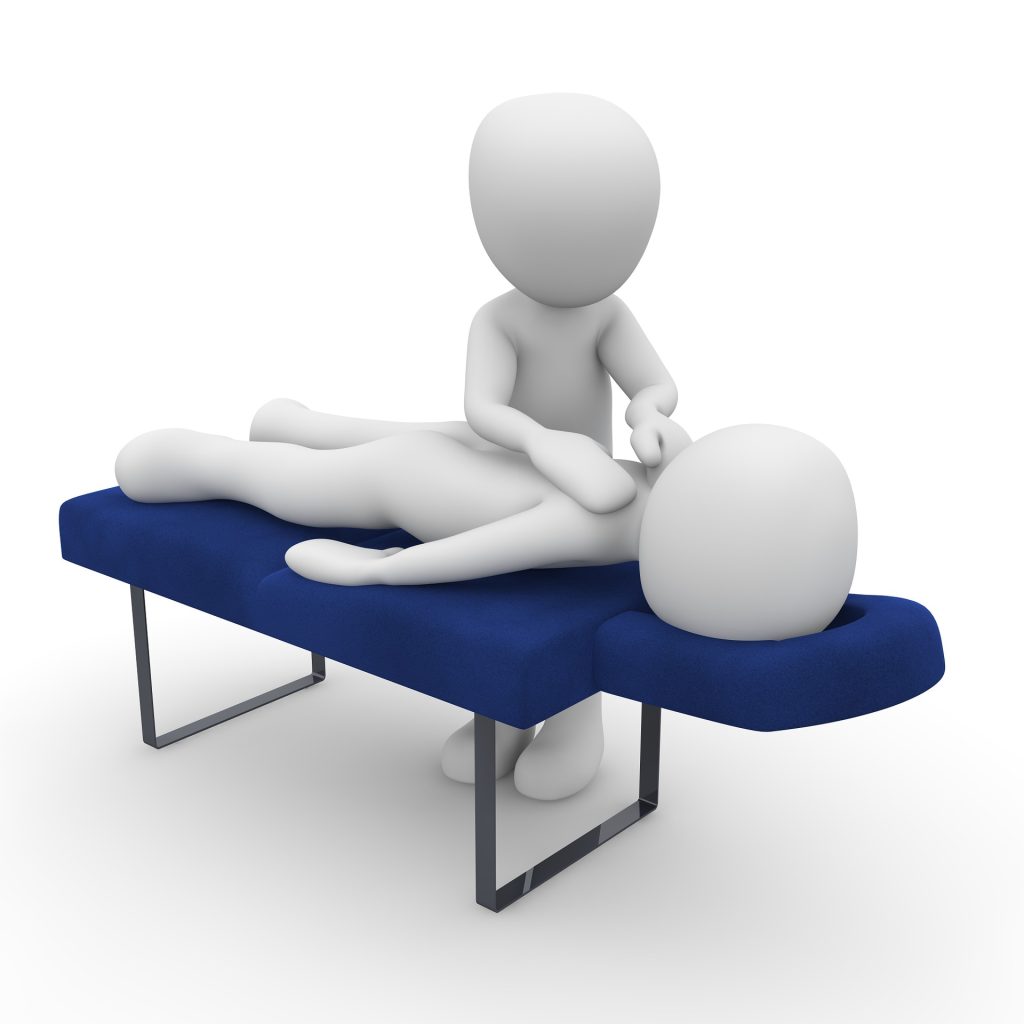
Living with pain can make everyday activities challenging. Whether the discomfort comes from an injury, surgery, arthritis, or a chronic condition, effective treatment is essential for restoring movement and improving quality of life. Many people struggle to attend regular clinic appointments due to mobility limitations, transportation issues, or busy schedules. This is where home physical therapy for pain offers a practical and effective solution.
At Pain Relief Physio, we bring professional physiotherapy services directly to your home. Our goal is to help patients recover safely and comfortably in their familiar surroundings while receiving personalized care tailored to their specific needs. Home-based rehabilitation allows therapists to create treatment plans that fit real-life environments, making recovery more meaningful and sustainable.
What Is Home Physical Therapy for Pain?
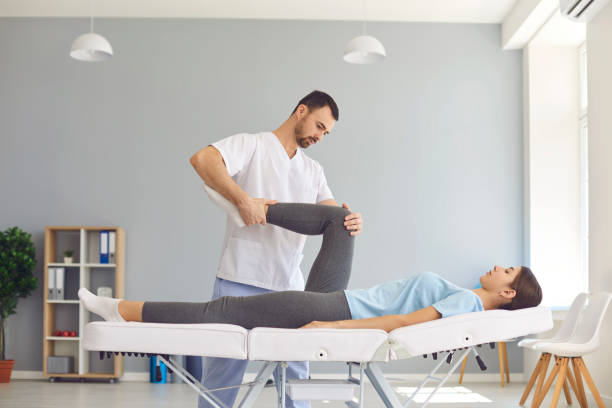
Home physical therapy for pain is a specialized rehabilitation service delivered in a patient’s home rather than a clinic or hospital. Licensed physiotherapists assess your condition, develop a personalized treatment plan, and guide you through exercises and therapeutic techniques designed to reduce pain and improve function.
This approach provides the same professional care available in traditional physiotherapy settings while offering greater convenience and comfort. Treatment sessions are customized according to your medical history, pain levels, mobility goals, and living environment.
Who Can Benefit from Home Physical Therapy?
Home physical therapy can help individuals of all ages who experience pain or mobility challenges. It is especially beneficial for:
- Older adults with balance or mobility issues
- Patients recovering from surgery
- Individuals with chronic back pain
- People suffering from arthritis
- Stroke survivors requiring rehabilitation
- Patients recovering from sports injuries
- Individuals with neck, shoulder, knee, or hip pain
- People with neurological conditions affecting movement
Receiving therapy at home eliminates the stress of travel and enables consistent treatment, which often contributes to better recovery outcomes.
Common Conditions Treated Through Home Physical Therapy
Back Pain
Back pain is one of the most common reasons people seek physiotherapy. Home-based treatment can include stretching, strengthening exercises, posture correction, and movement training designed to reduce discomfort and prevent future episodes.
Neck Pain
Poor posture, prolonged screen use, and injuries can contribute to neck pain. A physiotherapist can identify contributing factors and develop a targeted treatment plan to improve flexibility, strength, and posture.
Arthritis
Arthritis can cause stiffness, swelling, and joint discomfort. Home physical therapy helps improve joint mobility, maintain independence, and reduce pain through carefully selected exercises.
Post-Surgical Recovery
After joint replacement, spinal surgery, or other procedures, rehabilitation is critical for restoring function. Home physiotherapy provides guided recovery without requiring patients to travel during the healing process.
Sports Injuries
Athletes recovering from strains, sprains, ligament injuries, or muscle tears can benefit from personalized rehabilitation programs designed to promote safe and effective recovery.
Benefits of Home Physical Therapy for Pain
Personalized Treatment
Every patient experiences pain differently. Home physiotherapy allows therapists to create individualized programs that address specific challenges and recovery goals.
Greater Comfort
Patients often feel more relaxed in their own homes, creating an environment that supports better engagement and treatment adherence.
Improved Convenience
Traveling while in pain can be difficult. Home therapy eliminates transportation concerns and allows patients to focus entirely on recovery.
Better Functional Outcomes
Therapists can observe how patients move within their daily environment and recommend practical modifications that improve safety and independence.
Reduced Risk of Missed Appointments
Because treatment takes place at home, patients are more likely to attend scheduled sessions consistently, which supports better long-term results.
What Happens During a Home Physical Therapy Visit?
Every treatment session is designed around your current condition and recovery goals. While no two care plans are identical, a typical visit may include:
1. Initial Assessment
Your physiotherapist begins by reviewing your medical history, discussing your symptoms, and evaluating your strength, flexibility, balance, posture, and movement patterns. This assessment helps identify the underlying cause of your pain instead of simply treating the symptoms.
2. Personalized Treatment Plan
Based on the assessment findings, a customized rehabilitation program is created. The plan focuses on reducing pain, improving mobility, increasing strength, and restoring your ability to perform everyday activities safely.
3. Hands-On Therapy
When appropriate, manual therapy techniques may be used to reduce muscle tension, improve joint movement, and encourage better circulation. These techniques are always adapted to your comfort level.
4. Therapeutic Exercises
Your physiotherapist will guide you through exercises that target weak muscles, improve flexibility, enhance balance, and support long-term recovery. As your condition improves, the program is adjusted to match your progress.
5. Education and Prevention
An important part of treatment involves teaching proper posture, safe movement techniques, and home strategies that help prevent recurring pain and reduce the risk of future injuries.
Why Choose Home Physical Therapy Instead of Clinic Visits?
Both clinic-based and home-based physiotherapy are effective, but home treatment offers several unique advantages.
Individual Attention
Home appointments provide one-on-one care without distractions, allowing therapists to spend more time focusing entirely on your recovery.
Real-Life Rehabilitation
Treatment takes place in the environment where you live every day. This allows therapists to recommend practical changes that improve safety while performing activities such as climbing stairs, getting out of bed, or walking around your home.
Less Physical Stress
Traveling with pain, limited mobility, or after surgery can be exhausting. Receiving therapy at home removes unnecessary strain and allows you to conserve energy for recovery.
Family Involvement
Family members or caregivers can observe treatment sessions, learn supportive techniques, and better assist with daily exercises between appointments.
Tips to Maximize Results from Home Physical Therapy
You can improve your recovery by following these simple recommendations:
- Complete your prescribed exercises consistently.
- Follow your therapist’s advice on posture and body mechanics.
- Stay physically active within your recommended limits.
- Report any changes in pain or symptoms promptly.
- Drink enough water and maintain a balanced diet.
- Get adequate sleep to support tissue healing.
- Wear supportive footwear when advised.
- Keep your therapy appointments consistent.
Why Choose Pain Relief Physio?
At Pain Relief Physio, we believe quality rehabilitation should be accessible, convenient, and patient-focused. Our experienced physiotherapists deliver compassionate care directly to your home while creating evidence-based treatment plans tailored to your individual needs.
Our approach focuses on:
- Comprehensive movement assessments
- Personalized rehabilitation programs
- Evidence-based pain management
- Functional mobility improvement
- Injury prevention strategies
- Long-term recovery support
- Convenient in-home treatment
- Patient education for lasting results
Whether you’re recovering after surgery, managing chronic pain, or rebuilding strength after an injury, our goal is to help you regain independence and improve your quality of life.
Conclusion
Recovering from pain doesn’t always require frequent trips to a clinic. Home physical therapy for pain provides professional rehabilitation in the comfort of your own home, making treatment more accessible, personalized, and convenient. Whether you’re recovering from surgery, living with arthritis, healing after an injury, or managing ongoing discomfort, home physiotherapy can help restore movement, improve strength, and enhance your daily life.
At Pain Relief Physio, our dedicated team is committed to delivering individualized care that supports long-term recovery and better mobility. With expert guidance, evidence-based treatment, and compassionate support, you can take confident steps toward a healthier, more active future—all without leaving your home.
Frequently Asked Questions (FAQs)
Is home physical therapy for pain effective?
Yes. Home physical therapy can be highly effective when delivered by a licensed physiotherapist. Personalized treatment plans and consistent sessions help reduce pain, improve strength, and restore mobility.
Who should consider home physical therapy?
Home physical therapy is ideal for older adults, post-surgical patients, individuals with chronic pain, people with neurological conditions, and anyone who finds traveling to a clinic difficult.
How many home therapy sessions will I need?
The number of sessions depends on your condition, severity of pain, treatment goals, and recovery progress. Your physiotherapist will recommend a schedule after the initial assessment.
Can home physical therapy help chronic pain?
Yes. It can help manage chronic conditions such as arthritis, back pain, neck pain, joint pain, and muscle stiffness through targeted exercises, manual therapy, and education.
Do I need special equipment at home?
Usually not. Many rehabilitation exercises use your body weight or common household items. If specialized equipment is beneficial, your physiotherapist will recommend suitable options.
Is home physical therapy safe after surgery?
Yes. Home rehabilitation is often recommended after orthopedic and joint replacement surgeries because it allows patients to recover safely without unnecessary travel.
Can home physical therapy improve balance?
Absolutely. Balance training is an important part of physiotherapy and can help reduce the risk of falls while improving confidence during daily activities.
When should I start home physical therapy?
The best time depends on your diagnosis and your healthcare provider’s recommendations. Early intervention often leads to better recovery and improved long-term outcomes.