Sciatica can turn simple daily activities like sitting, walking, or bending into painful challenges. The sharp pain, tingling, or numbness that travels from the lower back down the leg often affects mobility and quality of life. Fortunately, performing the right sciatic nerve stretches can help reduce pressure on the nerve, improve flexibility, and relieve discomfort naturally.
In this guide, you’ll learn what sciatica is, what causes it, and the most effective stretches to reduce pain and improve movement safely.
What Is Sciatica?
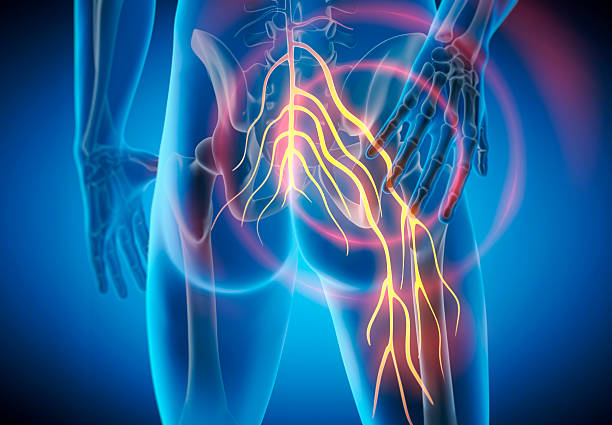
Sciatica refers to irritation or compression of the sciatic nerve, the longest nerve in the body. The nerve starts in the lower spine and travels through the hips, buttocks, and down each leg.
When the nerve becomes compressed, symptoms may include:
- Sharp lower back pain
- Pain radiating down the leg
- Tingling or burning sensations
- Numbness in the leg or foot
- Muscle weakness
- Pain while sitting or standing for long periods
Sciatica usually affects one side of the body, though some people may experience symptoms in both legs.
Common Causes of Sciatica
Several conditions can irritate or compress the sciatic nerve, including:
Herniated Disc
A slipped or bulging spinal disc can press against the sciatic nerve and trigger pain.
Piriformis Syndrome
The piriformis muscle in the buttocks can tighten or spasm, irritating the sciatic nerve.
Spinal Stenosis
Narrowing of the spinal canal can place pressure on nearby nerves.
Poor Posture
Long hours of sitting with improper posture can increase stress on the lower back and sciatic nerve.
Muscle Tightness
Tight hamstrings, hips, or lower back muscles may contribute to sciatic pain.
Benefits of Sciatic Nerve Stretches
Regular stretching can provide several benefits for people with sciatica:
- Reduces nerve compression
- Improves flexibility and mobility
- Relieves muscle tension
- Enhances blood circulation
- Supports spinal health
- Reduces stiffness and inflammation
Consistent stretching may also help prevent future flare-ups.
Best Sciatic Nerve Stretches for Pain Relief
Before starting any exercise program, move gently and stop if pain becomes severe. Mild stretching discomfort is normal, but sharp pain is not.
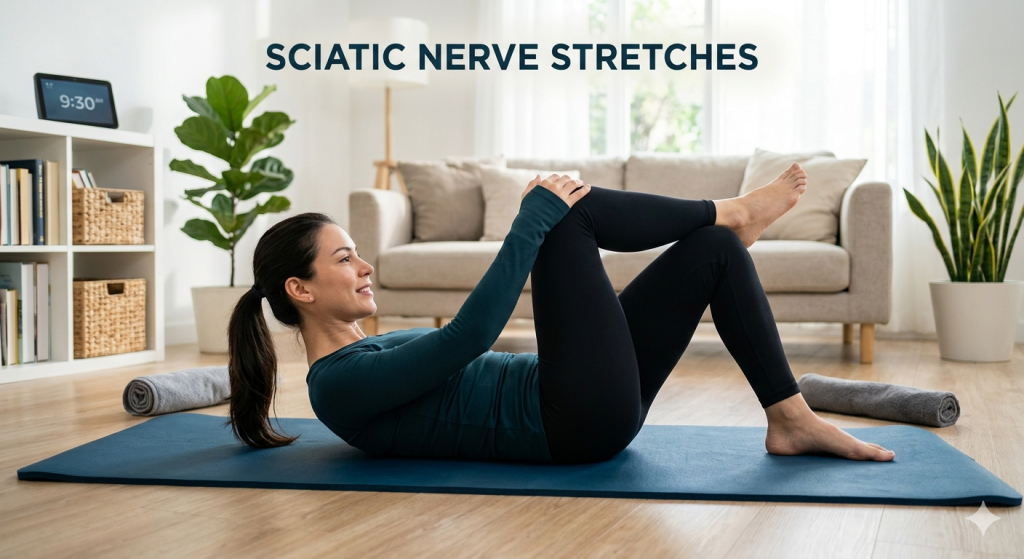
1. Single Knee to Chest Stretch
This stretch gently loosens the lower back and glute muscles.
How to Do It
- Lie flat on your back.
- Bend one knee and pull it toward your chest.
- Hold the back of your thigh or shin.
- Keep the opposite leg relaxed.
- Hold for 20 seconds and switch sides.
Repetitions
- Repeat 3 times per leg
- Perform twice daily
This stretch helps reduce pressure on the lower spine and eases nerve tension.
2. Hamstring Stretch With Towel
Tight hamstrings can worsen sciatic pain by pulling on the pelvis and lower back.
How to Do It
- Lie on your back with one leg bent.
- Loop a towel around the foot of the straight leg.
- Slowly pull the leg upward until a stretch is felt behind the thigh.
- Keep the knee straight without locking it.
Repetitions
- Hold for 30 seconds
- Repeat 2 times on each leg
Regular hamstring stretching improves flexibility and reduces lower back stress.
3. Piriformis Stretch (Figure Four Stretch)
The piriformis muscle can compress the sciatic nerve when tight.
How to Do It
- Lie on your back with knees bent.
- Cross one ankle over the opposite knee.
- Gently press the crossed knee away from your body.
- You should feel a stretch in the buttock area.
Repetitions
- Hold for 15–20 seconds
- Repeat 3 times
This stretch is highly effective for relieving buttock-related sciatic pain.
4. Modified Piriformis Stretch
This variation provides a deeper stretch for the glute muscles.
How to Do It
- Lie on your back.
- Cross one leg over the other.
- Use the opposite hand to pull the knee toward the opposite shoulder.
- Hold gently without forcing the movement.
Repetitions
- Hold for 20 seconds
- Repeat 3 times daily
5. Lower Trunk Rotations
Lower trunk rotations improve spinal mobility and reduce stiffness.
How to Do It
- Lie on your back with knees bent.
- Keep shoulders flat on the floor.
- Slowly rotate both knees to one side.
- Return to center and repeat on the opposite side.
Repetitions
- Repeat 20 times
- Perform once daily
This exercise helps relax the lower back muscles and improve flexibility.
6. Sciatic Nerve Glide
Sciatic nerve glides help the nerve move more freely through surrounding tissues.
How to Do It
- Lie on your back and hold behind one knee.
- Slowly straighten the knee.
- Flex and point the ankle gently.
- Keep movements controlled and smooth.
Repetitions
- Repeat 10 times
- Perform 2 sets daily
Sciatic nerve glides are especially useful for reducing nerve sensitivity.
7. Double Knee to Chest Stretch
This stretch targets the lower back and hips simultaneously.
How to Do It
- Lie flat on your back.
- Pull both knees toward your chest.
- Hold your legs comfortably.
- Breathe deeply and relax.
Repetitions
- Hold for 10 seconds
- Repeat 5 times
This movement helps relieve tension and stiffness in the lumbar spine.
Tips for Safe Stretching
To get the best results from sciatic nerve stretches, follow these tips:
- Stretch slowly and gently
- Avoid bouncing movements
- Maintain proper breathing
- Stop if pain becomes sharp
- Stay consistent with daily stretching
- Warm up before stretching
Combining stretches with walking and light activity may also improve recovery.
Lifestyle Changes to Reduce Sciatica Pain
Stretching works best when paired with healthy lifestyle habits.
Improve Posture
Maintain a neutral spine while sitting and standing.
Avoid Prolonged Sitting
Take breaks every 30–60 minutes to move around.
Use Proper Lifting Techniques
Bend at the knees instead of the waist.
Strengthen Core Muscles
Strong abdominal and back muscles support spinal alignment.
Stay Physically Active
Gentle exercise promotes circulation and prevents stiffness.
When to See a Doctor
Although many cases improve with home care, medical attention may be necessary if you experience:
- Severe or worsening pain
- Loss of bladder or bowel control
- Significant leg weakness
- Persistent numbness
- Pain lasting more than several weeks
A healthcare provider or physiotherapist can recommend personalized treatment options.
Final Thoughts
Sciatica pain can interfere with work, sleep, and everyday life, but regular sciatic nerve stretches may provide significant relief. Stretching the lower back, hamstrings, and piriformis muscles can reduce nerve irritation, improve flexibility, and support long-term recovery.
The key is consistency. Gentle daily stretching combined with healthy posture, movement, and strengthening exercises can help you manage sciatica naturally and reduce future flare-ups.
FAQs About Sciatic Nerve Stretches
What are the best sciatic nerve stretches for beginners?
Simple stretches like the single knee to chest stretch, piriformis stretch, and hamstring stretch are great beginner-friendly options for relieving sciatica pain safely.
How often should I do sciatic nerve stretches?
Most stretches can be performed once or twice daily. Consistency is important, but avoid overstretching or forcing painful movements.
Can stretching make sciatica worse?
Aggressive or incorrect stretching can worsen symptoms. Always move gently and stop if you feel sharp pain or increased discomfort.
How long does it take for sciatic nerve stretches to work?
Some people feel relief within a few days, while others may need several weeks of regular stretching and strengthening exercises.
Are sciatic nerve glides safe?
Yes, nerve glides are generally safe when performed slowly and correctly. They help improve nerve mobility and reduce irritation.
Can walking help sciatica?
Yes, light walking can improve circulation, reduce stiffness, and support recovery from sciatica when done in moderation.