
Upper back pain is a condition that can affect people of all ages. It develops in the area between the neck and the lower ribs and may interfere with work, sleep, and daily activities. While lower back pain is more common, pain in the upper part of the back can still become uncomfortable and frustrating if ignored.
Many people experience upper back pain because of poor posture, muscle overuse, stress, or long hours of sitting. Others may develop it due to injuries, spinal conditions, or health problems affecting nearby organs. Understanding the cause of the pain is important because proper treatment can help prevent long-term discomfort.
This guide explains everything you need to know about upper back pain, including symptoms, causes, treatment options, prevention tips, and frequently asked questions.
What Is Upper Back Pain?
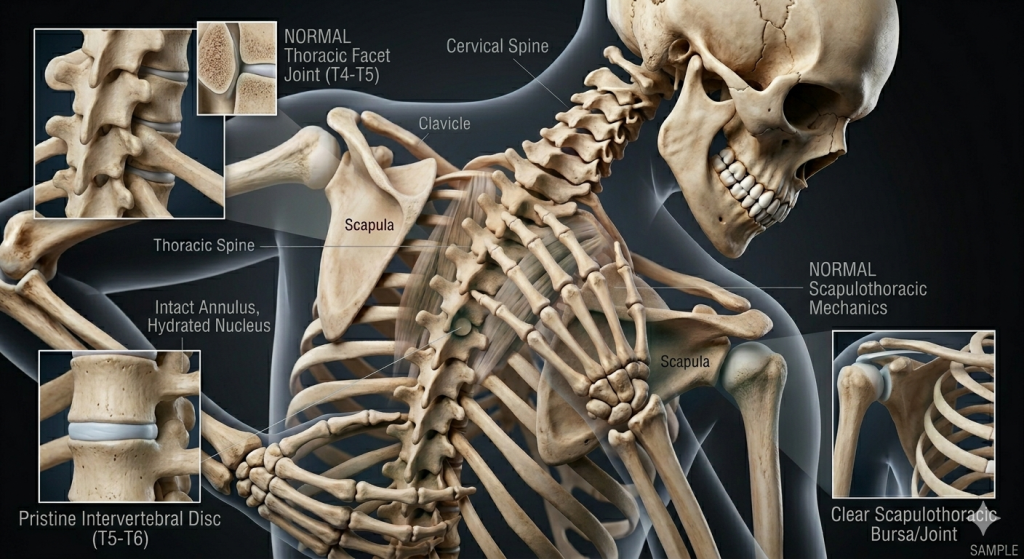
Upper back pain refers to discomfort felt in the thoracic spine. This section of the spine starts below the neck and continues down to the rib cage. The thoracic spine supports the upper body and helps protect important organs like the lungs and heart.
The upper back is more stable than the neck and lower back because it is attached to the ribs. Even though it moves less, the muscles and joints in this region can still become strained or irritated.
Pain may appear suddenly after an injury or gradually over time due to repetitive stress and poor posture.
Symptoms of Upper Back Pain
The symptoms of upper back pain vary from person to person. Some people feel mild tightness, while others experience severe pain that limits movement.
Common symptoms include:
- Burning sensation in the upper back
- Muscle stiffness
- Pain between the shoulder blades
- Sharp pain during movement
- Tight shoulders and neck
- Difficulty twisting the body
- Tingling or numbness
- Muscle spasms
- Aching pain after sitting for long periods
In some cases, the pain may spread to the chest, arms, or neck.
Main Causes of Upper Back Pain
Several conditions and lifestyle habits can contribute to upper back pain.
Poor Sitting Posture
One of the biggest causes of upper back pain is poor posture. Sitting in a hunched position places stress on the spine and surrounding muscles. Office workers and students often experience pain because they spend hours leaning forward.
Muscle Overuse
Repeated lifting, pulling, or physical work may strain muscles in the upper back. Sports activities can also lead to overworked muscles.
Emotional Stress
Stress causes muscles to tighten, especially around the shoulders and upper back. Long-term stress may lead to chronic muscle tension and soreness.
Injury or Trauma
Car accidents, falls, and sports injuries can damage muscles, ligaments, or joints in the thoracic spine.
Herniated Disc
A spinal disc can bulge and press on nearby nerves, causing pain and discomfort in the upper back.
Osteoarthritis
As people age, the joints in the spine may wear down. This condition can lead to stiffness and chronic upper back pain.
Scoliosis
An abnormal spinal curve can place uneven pressure on the muscles and joints of the upper back.
Medical Conditions
Sometimes upper back pain is related to problems inside the body, such as lung infections, kidney disorders, or heart conditions.
Risk Factors for Upper Back Pain
Certain habits and conditions increase the chances of developing upper back pain.
These include:
- Sitting for long hours
- Lack of exercise
- Weak muscles
- Obesity
- Smoking
- Heavy lifting
- Poor workstation setup
- Stress and anxiety
- Aging
How Upper Back Pain Is Diagnosed
Doctors usually begin by asking questions about symptoms, medical history, and daily activities. They may examine posture, muscle strength, and movement.
If needed, additional tests may include:
- X-rays
- MRI scans
- CT scans
- Blood tests
These tests help identify injuries, spinal problems, or underlying medical conditions.
Best Treatments for Upper Back Pain
Treatment depends on the severity and cause of the pain. Many people improve with simple home care and physical therapy.
Rest and Gentle Movement
Short-term rest can help calm irritated muscles. However, staying completely inactive for long periods may worsen stiffness.
Light movement and walking are usually helpful.
Heat and Ice Therapy
Cold packs help reduce swelling during the first two days after injury. Heat therapy relaxes muscles and improves blood flow.
Physiotherapy
Physiotherapy is one of the best ways to treat upper back pain. Exercises and stretching techniques help improve posture, flexibility, and muscle strength.
Pain Relief Medicines
Over-the-counter medicines may reduce inflammation and discomfort. Common options include ibuprofen and acetaminophen.
Massage Therapy
Massage helps release tight muscles and improve circulation in the upper back.
Posture Improvement
Correct posture reduces stress on the thoracic spine. Ergonomic chairs and proper desk setup can help prevent recurring pain.
Exercises for Upper Back Pain
Regular exercises can strengthen muscles and improve spinal support.
Shoulder Blade Squeeze
Sit upright and pull your shoulder blades together slowly. Hold for a few seconds and repeat several times.
Cat and Cow Stretch
This movement improves flexibility in the spine and reduces stiffness.
Chest Stretch
Stretching the chest muscles helps improve posture and reduces pressure on the upper back.
Thoracic Rotation Stretch
Gentle twisting movements increase mobility and ease muscle tightness.
How to Prevent Upper Back Pain
Simple lifestyle changes can lower the risk of upper back pain.
Maintain Good Posture
Keep your shoulders relaxed and avoid slouching while sitting or standing.
Stay Physically Active
Regular exercise helps strengthen muscles that support the spine.
Lift Properly
Avoid lifting heavy objects incorrectly. Use your legs instead of your back.
Take Frequent Breaks
If you work at a computer, stand and stretch every 30 minutes.
Sleep in a Supportive Position
A supportive mattress and pillow help keep the spine aligned during sleep.
When Should You See a Doctor?
Medical attention is necessary if upper back pain:
- Lasts more than a few weeks
- Becomes severe
- Causes numbness or weakness
- Follows a serious injury
- Occurs with chest pain
- Causes breathing difficulty
- Comes with fever or weight loss
These symptoms may indicate a more serious condition.
Final Thoughts
Upper back pain can develop from poor posture, stress, muscle strain, or spinal conditions. Although many cases improve with rest and exercise, ignoring the pain may lead to long-term discomfort and reduced mobility.
Healthy posture, regular stretching, and physiotherapy can play an important role in recovery and prevention. If symptoms continue or worsen, professional medical advice is recommended.
FAQs About Upper Back Pain
What is the most common reason for upper back pain?
Poor posture and muscle strain are the leading causes of upper back pain.
Can stress cause upper back pain?
Yes, stress can tighten muscles in the shoulders and upper back, leading to pain and stiffness.
Is upper back pain dangerous?
Most cases are not serious, but severe pain with breathing problems or chest pain requires immediate medical attention.
Does exercise help upper back pain?
Yes, gentle exercises and stretching can strengthen muscles and improve flexibility.
How long does upper back pain last?
Mild upper back pain may improve within days, while chronic pain can last for several weeks or months depending on the cause.