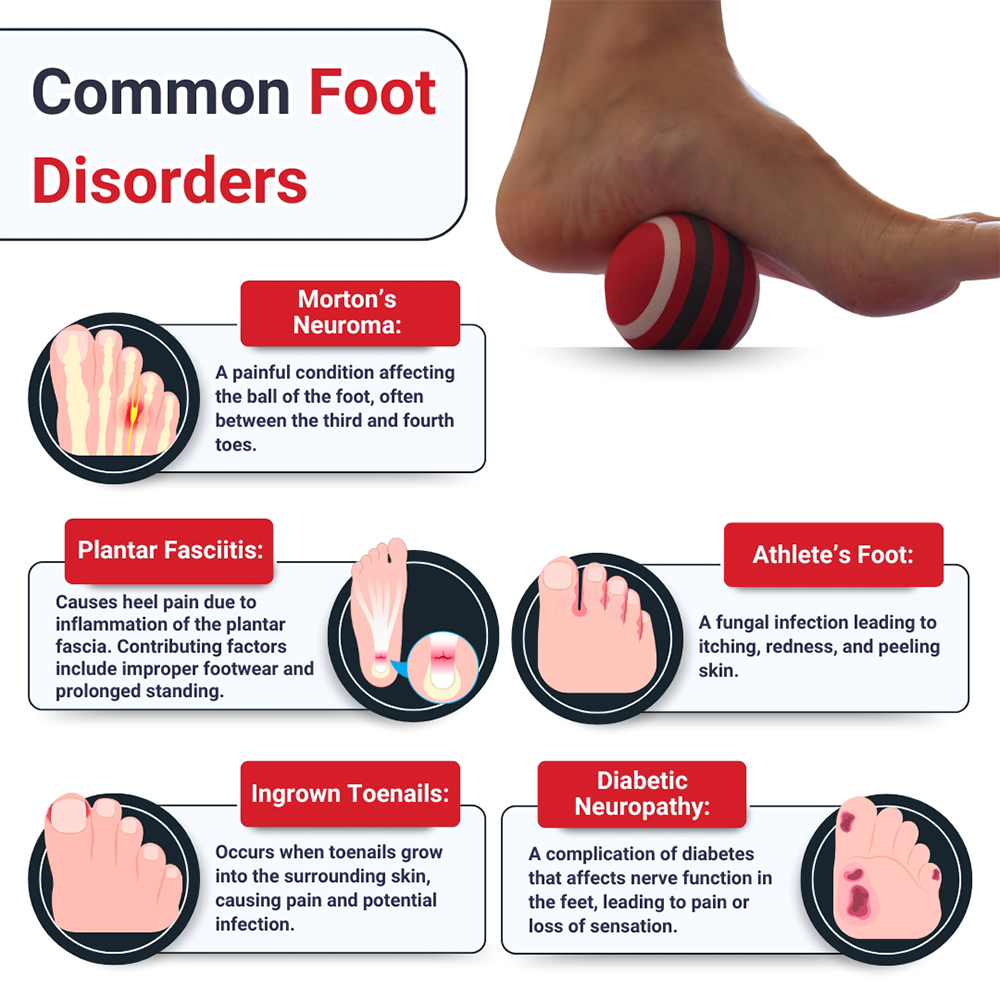
Foot pain is a common problem that affects millions of people every day. Since our feet support the body’s weight and help us move, even mild discomfort can interfere with daily life. Whether the pain appears after standing for long hours, exercising, walking, or wearing uncomfortable shoes, it can make simple activities difficult. Some people experience temporary soreness, while others struggle with long-term pain that affects work, sleep, and mobility.
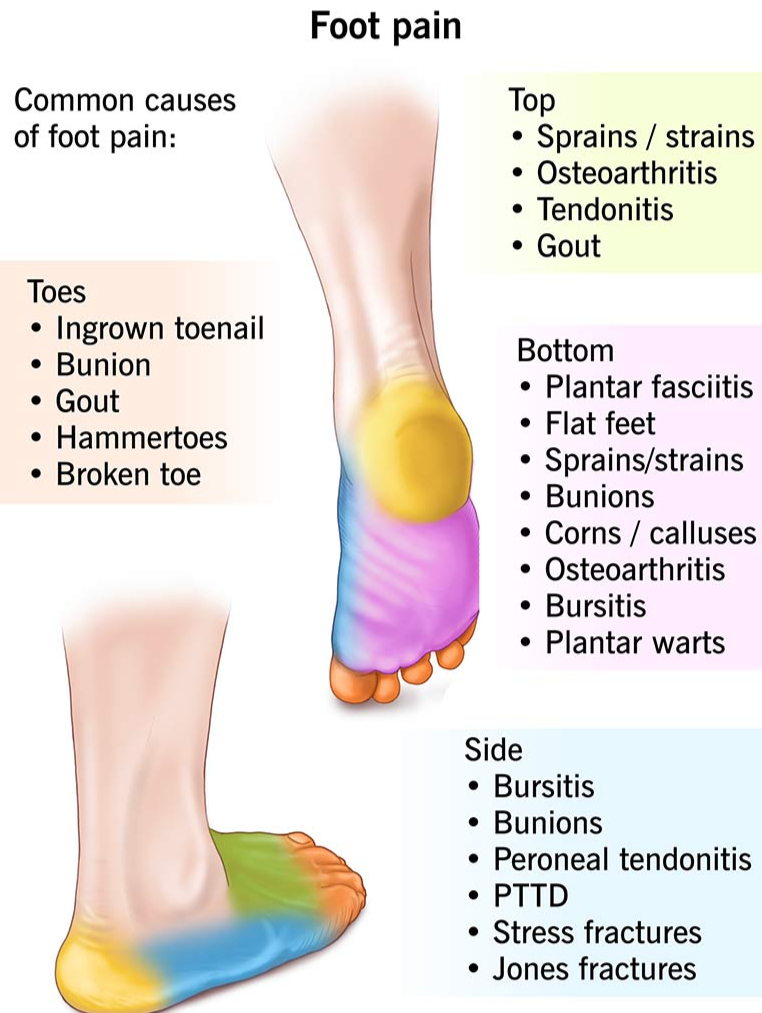
Pain can develop in different parts of the foot, including the heel, arch, toes, sole, or even the top of foot pain area. The severity may range from mild aching to sharp stabbing sensations. Understanding the root cause is important because proper treatment depends on identifying what is triggering the discomfort.
This detailed guide from PainReliefPhysio explains the causes, symptoms, treatments, and prevention methods for foot pain while helping you understand when professional care may be necessary.
What Is Foot Pain?
Foot pain refers to discomfort or soreness in any area of the foot. It can occur suddenly after an injury or gradually develop over time because of overuse, inflammation, or medical conditions. Since the foot contains bones, joints, ligaments, tendons, muscles, and nerves, pain can originate from many different structures.
Some people only feel pain while walking or standing, while others notice discomfort even during rest. The condition can affect one foot or both feet depending on the cause.
Why Foot Pain Happens
The feet absorb pressure every time we walk, run, jump, or stand. Because of this constant use, they are more vulnerable to stress and injury than many other parts of the body. Foot pain may develop because of daily habits, health conditions, aging, or physical strain.
Common reasons include:
- Standing for long periods
- Wearing shoes without support
- Sports injuries
- Excess body weight
- Aging and joint wear
- Poor posture
- Nerve irritation
- Muscle strain
- Inflammation in tendons or ligaments
Ignoring foot pain may worsen the problem over time and affect balance and mobility.
Common Causes of Foot Pain
There are many conditions linked to foot pain. Some are mild and temporary, while others require medical treatment.
Plantar Fasciitis
Plantar fasciitis is one of the most common causes of heel and arch pain. It happens when the plantar fascia, a thick tissue band under the foot, becomes inflamed. Pain is often strongest during the first steps in the morning.
Arthritis
Arthritis causes inflammation in the joints and may lead to stiffness, swelling, and aching in the feet and toes. Osteoarthritis and rheumatoid arthritis commonly affect foot joints.
Flat Feet
Flat feet occur when the arches collapse or fail to develop properly. This condition places extra pressure on muscles and ligaments, often causing discomfort after standing or walking.
Tendonitis
Inflammation in the tendons can lead to pain, especially after repetitive movement or overuse. Achilles tendonitis is a common example.
Gout
Gout is a form of arthritis caused by uric acid crystal buildup in the joints. It frequently affects the big toe and causes sudden severe pain.
Sprains and Strains
Twisting the foot or ankle can stretch or tear ligaments and muscles, leading to swelling and pain.
Nerve Problems
Compressed or damaged nerves may cause burning, tingling, or shooting pain in the foot.
Poor Footwear
Shoes that are too tight, too loose, or lack support can contribute to chronic foot pain.
Top of Foot Pain
Top of foot pain is a common issue that many people ignore until it becomes severe. Pain on the upper part of the foot may occur because of inflammation, stress fractures, arthritis, tendon injuries, or pressure from tight shoes.
People with top of foot pain often notice:
- Swelling on the upper foot
- Pain while walking
- Tenderness when touching the area
- Difficulty wearing shoes comfortably
- Sharp pain during movement
Athletes and runners are especially prone to developing pain on the top of the foot because repetitive impact places stress on bones and tendons.
Symptoms of Foot Pain
Symptoms vary depending on the cause, but common signs include:
- Sharp pain
- Burning sensation
- Swelling
- Redness
- Tingling or numbness
- Difficulty walking
- Stiffness
- Heel pain
- Pain while standing
- Tenderness
- Cramping
- Pain after activity
Some conditions also cause warmth or visible inflammation around the painful area.
Different Types of Foot Pain
Heel Pain
Heel pain usually results from plantar fasciitis, heel spurs, or Achilles tendon problems.
Arch Pain
Arch pain may develop because of overuse, flat feet, or strained ligaments.
Ball of Foot Pain
Pain in the ball of the foot can happen because of pressure, nerve irritation, or inflammation.
Toe Pain
Toe pain may be linked to bunions, fractures, gout, or arthritis.
Side Foot Pain
Pain along the side of the foot may indicate tendon injuries or stress fractures.
Nerve Pain
Burning or electric shock-like pain may suggest nerve compression or neuropathy.
Risk Factors for Foot Pain
Some factors increase the likelihood of developing foot pain:
- Obesity
- Diabetes
- Aging
- Long working hours on feet
- Running or sports
- Flat feet
- High heels
- Poor posture
- Previous injuries
- Arthritis
People who frequently stand on hard surfaces are more likely to experience chronic discomfort.
How Foot Pain Affects Daily Activities
Foot pain can impact nearly every part of daily life. Walking, exercising, climbing stairs, or even standing in the kitchen may become difficult. Chronic pain can also affect mood and sleep quality.
Some people change the way they walk to avoid pain, which may eventually lead to knee, hip, or lower back problems.
Diagnosing Foot Pain
A healthcare professional may examine the foot to determine the cause of pain. Diagnosis often includes:
- Physical examination
- Medical history review
- Checking walking patterns
- X-rays
- MRI scans
- Ultrasound imaging
Proper diagnosis is important because different conditions require different treatments.
Home Remedies for Foot Pain
Many mild cases improve with home care and rest.
Rest the Foot
Reducing activities that worsen pain allows tissues to heal.
Ice Therapy
Applying ice packs helps reduce swelling and inflammation.
Elevation
Keeping the foot elevated improves circulation and reduces swelling.
Gentle Stretching
Stretching exercises improve flexibility and reduce tension in muscles and tendons.
Supportive Shoes
Shoes with cushioning and arch support help decrease pressure on painful areas.
Foot Massage
Massage can improve blood circulation and relax tight muscles.
Orthotic Insoles
Shoe inserts provide extra support and help improve foot alignment.
Medical Treatments for Foot Pain
When home remedies fail, professional treatment may be necessary.
Physical Therapy
Physical therapy is highly effective for improving mobility and reducing pain. Exercises help strengthen muscles, improve balance, and support recovery.
Medications
Doctors may recommend anti-inflammatory medicines or pain relievers.
Steroid Injections
In severe inflammation cases, corticosteroid injections may provide temporary relief.
Splints or Braces
Support devices stabilize the foot and allow healing.
Surgery
Surgery may be required for fractures, severe deformities, or chronic tendon damage.
Best Exercises for Foot Pain Relief
Regular exercises may improve flexibility and reduce discomfort.
Calf Stretch
Stretching the calf muscles helps reduce tension on the foot.
Toe Raises
Toe raises strengthen foot muscles and improve balance.
Towel Stretch
Using a towel to stretch the arch can improve flexibility.
Tennis Ball Roll
Rolling the foot over a tennis ball massages the arch and reduces stiffness.
Foot Pain and Diabetes
People with diabetes must pay close attention to foot pain. Diabetes can damage nerves and reduce blood flow, increasing the risk of infections and ulcers.
Daily foot checks and proper footwear are extremely important for preventing complications.
Choosing the Right Footwear
The right shoes can make a major difference in foot health.
Good footwear should provide:
- Proper arch support
- Cushioning
- Shock absorption
- Wide toe space
- Stable soles
Avoid high heels and shoes that squeeze the toes tightly.
Natural Remedies for Foot Pain
Some people find relief through natural methods.
Warm Water Soaks
Warm water can relax muscles and improve circulation.
Epsom Salt
Epsom salt soaks may reduce soreness and swelling.
Essential Oils
Peppermint and lavender oils are often used during massage for temporary relief.
Heat Therapy
Warm compresses can ease muscle stiffness and tension.
Preventing Foot Pain
Preventing foot pain is easier than treating chronic problems later.
Tips include:
- Wear supportive shoes
- Stretch before exercise
- Maintain a healthy weight
- Avoid standing too long without breaks
- Replace worn-out shoes regularly
- Avoid walking barefoot on hard floors
- Practice proper posture
Small lifestyle changes can protect your feet for years.
When to See a Doctor
Medical attention is necessary if:
- Pain lasts longer than two weeks
- Swelling becomes severe
- Walking becomes difficult
- You experience numbness
- Pain follows an injury
- Fever or redness develops
- Symptoms worsen over time
Early treatment helps prevent complications and speeds recovery.
Why Physical Therapy Helps Foot Pain
Physical therapy focuses on treating the root cause rather than masking symptoms. Therapists create customized plans to improve flexibility, strengthen muscles, and restore movement.
Benefits include:
- Reduced inflammation
- Improved mobility
- Better posture
- Faster recovery
- Lower injury risk
- Increased strength
At PainReliefPhysio, treatment plans are designed to provide long-term pain relief and support healthy movement.
Living With Chronic Foot Pain
Chronic foot pain can be physically and emotionally exhausting. Many people struggle to stay active or perform daily tasks comfortably. Managing the condition often requires a combination of supportive footwear, exercise, physical therapy, weight management, and rest.
Listening to your body and seeking help early can prevent long-term mobility problems.
FAQs About Foot Pain
What is the most common cause of foot pain?
Plantar fasciitis is one of the most common causes, especially for heel pain.
What causes top of foot pain?
Top of foot pain may result from tendonitis, arthritis, stress fractures, or tight footwear.
Can standing all day cause foot pain?
Yes, prolonged standing places pressure on muscles, joints, and ligaments.
How can I relieve foot pain naturally?
Rest, ice, stretching, massage, and supportive shoes may help reduce discomfort.
When should I worry about foot pain?
You should see a doctor if pain lasts more than two weeks or affects walking.
Does obesity increase foot pain?
Yes, excess body weight increases pressure on the feet and joints.
Can shoes cause foot pain?
Poorly fitted or unsupportive shoes are a major cause of foot discomfort.
Is physical therapy effective for foot pain?
Yes, physical therapy can improve mobility, strength, and flexibility while reducing pain.
Final Thoughts
Foot pain is a common condition that can affect anyone regardless of age or activity level. From mild soreness to severe top of foot pain, discomfort in the feet can interfere with daily life and reduce mobility. Understanding the causes and symptoms is the first step toward finding effective relief.
Simple treatments such as rest, stretching, supportive footwear, and physical therapy often help improve symptoms significantly. However, persistent pain should never be ignored because untreated problems may worsen over time.
Taking care of your feet today can improve comfort, movement, and overall quality of life. PainReliefPhysio is committed to helping people manage pain safely and effectively through expert guidance and proper care.