Elbow joint pain is a common condition that affects millions of people worldwide. The elbow plays a major role in almost every arm movement, including lifting, carrying, pushing, pulling, writing, and exercising. Because this joint is used constantly throughout the day, even a small problem can lead to pain, stiffness, and discomfort. Some people only notice mild soreness after activity, while others experience ongoing pain that affects work, sleep, and daily life.
Pain may appear on the outside, back, or inside of the elbow. Many individuals especially struggle with inner elbow pain because the tendons and nerves on the inner side of the joint are sensitive to repetitive strain. Athletes, office workers, mechanics, gym users, and people who perform repetitive arm movements are more likely to develop elbow problems over time.
The elbow joint connects three bones and is supported by muscles, tendons, ligaments, cartilage, and nerves. When any of these structures become inflamed, irritated, or injured, elbow pain can develop. Sometimes the discomfort appears suddenly after an accident, while in other cases it develops gradually because of overuse.
Common Causes of Elbow Joint Pain
One of the biggest reasons behind elbow joint pain is repetitive strain. Repeating the same movements again and again places stress on the tendons and muscles around the elbow. Over time, small tears and inflammation may develop, leading to pain and weakness. This is common in sports and jobs that require repetitive arm motion.
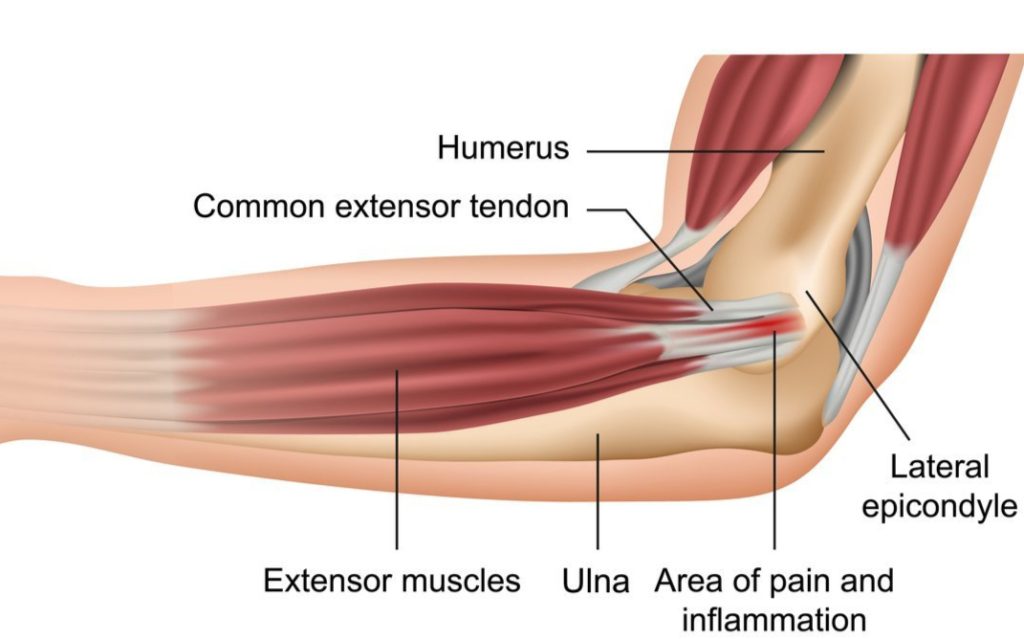
Tennis elbow is a well-known condition that affects the outer side of the elbow. Despite the name, it does not only affect tennis players. Painters, plumbers, mechanics, carpenters, and even people who type for long hours may develop this condition. The pain usually worsens when gripping objects, lifting items, or twisting the wrist.
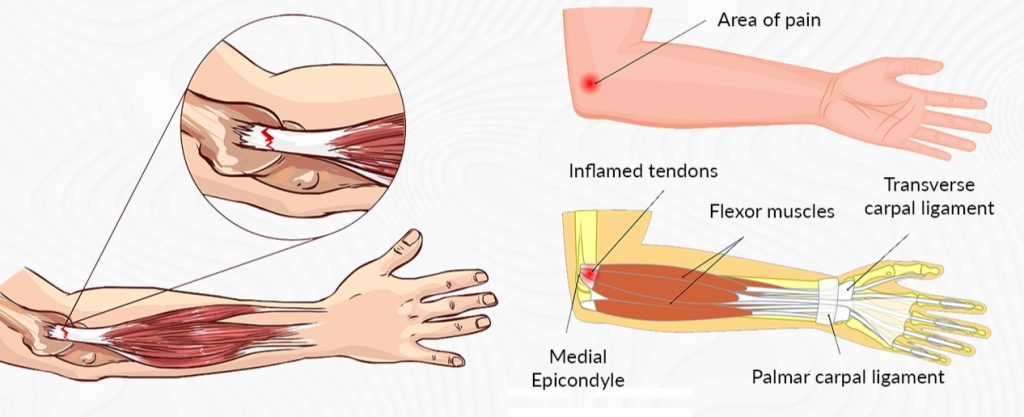
Another common condition is golfer’s elbow, which mainly causes inner elbow pain. This condition develops when the tendons on the inside of the elbow become irritated due to repeated wrist bending or gripping activities. Weightlifting, throwing sports, and repetitive hand movements can all contribute to this problem. Many people feel tenderness on the inner side of the elbow along with weakness in the forearm.
Nerve compression is another possible cause of elbow pain. The ulnar nerve passes through the inner side of the elbow and can become trapped or irritated. This condition is called cubital tunnel syndrome and often causes tingling or numbness in the fingers along with inner elbow pain. Symptoms may worsen when the elbow stays bent for long periods.
Arthritis may also affect the elbow joint. Osteoarthritis occurs when cartilage wears down over time, causing stiffness and pain. Rheumatoid arthritis can also attack the elbow joint and lead to swelling, warmth, and reduced movement.
Injuries such as sprains, strains, fractures, or dislocations may also result in severe elbow pain. Falls and sports accidents are common causes of these injuries.
Symptoms You Should Not Ignore
The symptoms of elbow joint pain depend on the underlying cause. Some people experience dull aching pain, while others feel sharp or burning discomfort. Pain may worsen while lifting, gripping, or bending the arm.
Common symptoms include:
- Inner elbow pain
- Swelling and stiffness
- Weak grip strength
- Tingling or numbness
- Difficulty straightening the arm
- Tenderness around the joint
- Pain during physical activity
Some people only feel pain during movement, while others experience discomfort even while resting. Persistent symptoms should never be ignored because untreated elbow conditions may worsen over time.
Treatment and Pain Relief Options
Most mild cases of elbow joint pain improve with rest and home care. Reducing activities that strain the elbow is often the first step toward healing. Applying ice packs for 15 to 20 minutes several times daily may help reduce swelling and inflammation.
Many people also benefit from elbow braces or compression sleeves because they provide support and reduce stress on the tendons. Over-the-counter pain medications may temporarily reduce discomfort, but they should not replace proper treatment and rest.
Stretching and strengthening exercises can also help improve flexibility and muscle support around the elbow joint. Gentle wrist and forearm stretches are commonly recommended for people with tennis elbow or golfer’s elbow. Strengthening the surrounding muscles may reduce strain and help prevent future injuries.
Physical therapy is often useful for long-lasting elbow pain. Therapists may use massage techniques, strengthening exercises, stretching routines, and posture correction to support recovery. Therapy can also help improve arm function and reduce stiffness.
In severe cases, doctors may recommend steroid injections to reduce inflammation. Some people may also receive platelet-rich plasma therapy to encourage tissue healing. Surgery is usually considered only when other treatments fail or when significant tissue damage or nerve compression is present.
How to Prevent Elbow Joint Pain
Preventing elbow joint pain is often easier than treating it. Warming up before exercise and stretching after physical activity can help protect the tendons and muscles around the elbow. Using proper lifting techniques and maintaining good posture also reduce strain on the joint.
People who work on computers for long hours should take frequent breaks and avoid keeping the elbows bent continuously. Using ergonomic equipment may also help reduce stress on the arms and wrists.
Strengthening the forearm muscles and avoiding repetitive overuse are important for long-term elbow health. If an activity causes pain repeatedly, it is important to stop and allow the joint time to recover.
Conclusion
Elbow joint pain can interfere with daily activities, work, sports, and overall quality of life. Conditions such as tennis elbow, golfer’s elbow, arthritis, bursitis, and nerve compression are common causes of pain around the elbow joint. Inner elbow pain is especially common in people who perform repetitive arm movements or activities that place stress on the tendons.
Most mild cases improve with rest, ice therapy, stretching, and lifestyle changes. However, severe or persistent pain should be evaluated by a healthcare professional to prevent long-term complications. Understanding the causes and symptoms of elbow joint pain can help you take early action and recover more effectively.
FAQs About Elbow Joint Pain
What causes elbow joint pain?
Elbow joint pain is commonly caused by overuse injuries, tendon inflammation, arthritis, nerve compression, or sports-related injuries.
Why do I have inner elbow pain?
Inner elbow pain is often linked to golfer’s elbow or cubital tunnel syndrome caused by repetitive arm and wrist movements.
Can elbow pain heal naturally?
Yes, mild elbow pain often improves with rest, ice therapy, and avoiding activities that strain the elbow joint.
How long does elbow joint pain take to heal?
Mild cases may improve within a few weeks, while severe tendon injuries can take several months to heal completely.
When should I see a doctor for elbow pain?
You should seek medical attention if pain is severe, persistent, associated with numbness, swelling, or difficulty moving the arm.
Can typing cause elbow pain?
Yes, long hours of typing and repetitive computer work can strain the tendons and nerves around the elbow joint.
What is the best treatment for elbow joint pain?
Rest, ice therapy, stretching exercises, physical therapy, and reducing repetitive strain are among the best treatment options for elbow pain.