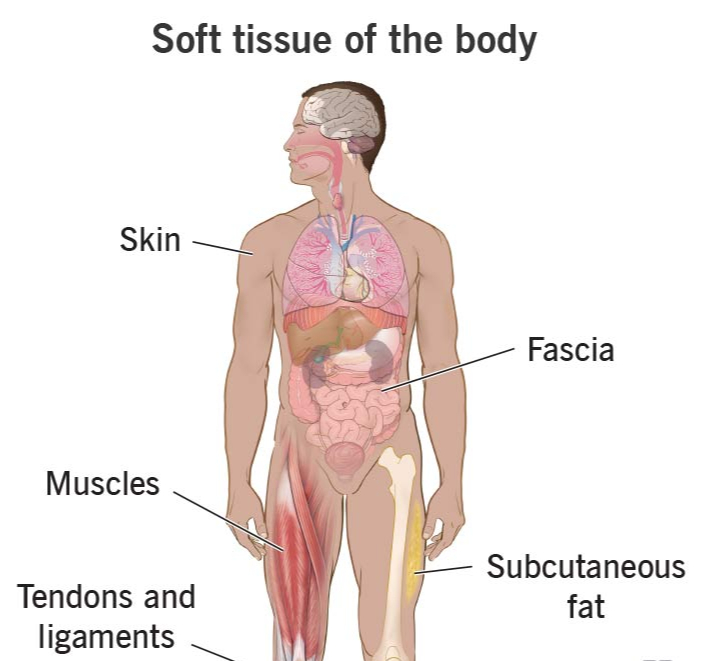
A deep tissue injury can affect your ability to move, work, exercise, and enjoy everyday life. Unlike cuts or broken bones that are easy to identify, deep tissue injuries occur beneath the skin and may not be immediately visible. These injuries involve muscles, tendons, ligaments, fascia, and other connective tissues that support movement and stability.
Whether the injury happens during sports, while lifting heavy objects, or from an accident, receiving the right treatment early can reduce pain and improve recovery. Many people ignore muscle soreness or stiffness, assuming it will disappear on its own. However, untreated deep tissue injuries may lead to chronic pain, weakness, and limited mobility.
This guide explains everything you need to know about deep tissue injury, including its causes, symptoms, diagnosis, treatment options, recovery process, and prevention tips.
What Is a Deep Tissue Injury?
A deep tissue injury refers to damage affecting structures beneath the skin rather than the bones. These structures include muscles, tendons, ligaments, fascia, connective tissues, and sometimes blood vessels. Since bones remain unaffected, these injuries are commonly grouped under soft tissue injuries.
Deep tissue injuries range from mild muscle strains to severe ligament tears. They often develop suddenly after trauma or gradually because of repetitive movements and overuse.
Without proper treatment, damaged tissues may heal incorrectly, leading to long-term discomfort and recurring injuries.
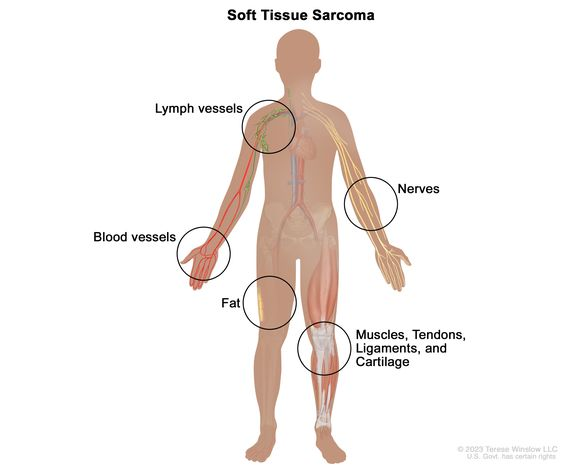
Types of Deep Tissue Injuries
Understanding the different types of deep tissue injuries helps determine the appropriate treatment and recovery plan.
Muscle Strains
A muscle strain occurs when muscle fibers stretch beyond their normal limit or tear. These injuries commonly affect the back, thighs, calves, shoulders, and neck.
Symptoms include:
- Sharp pain
- Swelling
- Muscle weakness
- Limited movement
- Muscle spasms
Ligament Sprains
Ligaments connect one bone to another and stabilize joints. Sudden twisting movements can overstretch or tear these strong tissues.
Common locations include:
Depending on severity, sprains may require weeks or even months to heal.
Tendon Injuries
Tendons attach muscles to bones. Overuse or repetitive motion can inflame or tear these tissues.
Examples include:
- Rotator cuff injuries
- Achilles tendon injuries
- Tennis elbow
- Golfer’s elbow
These injuries are common among athletes and individuals with physically demanding jobs.
Fascial Injuries
Fascia is connective tissue that surrounds muscles, nerves, and organs. Damage to this tissue may cause stiffness, reduced flexibility, and chronic pain if left untreated.
Contusions (Deep Bruises)
A direct blow from a fall, collision, or accident can damage muscles beneath the skin, causing bleeding within the tissue.
Symptoms include:
- Swelling
- Tenderness
- Discoloration
- Pain during movement
Common Causes of Deep Tissue Injury
Deep tissue injuries can happen to anyone, regardless of age or fitness level.
The most common causes include:
Sports Injuries
High-impact sports such as football, basketball, tennis, and running frequently cause muscle strains, ligament sprains, and tendon injuries.
Falls
Slipping on wet floors or falling from stairs can cause sudden damage to muscles and connective tissues.
Heavy Lifting
Using improper lifting techniques places excessive stress on muscles and tendons, increasing the risk of injury.
Repetitive Movements
Repeating the same movement for long periods can gradually damage tissues.
Examples include:
- Typing
- Painting
- Factory work
- Gardening
- Assembly line work
Vehicle Accidents
Car accidents often cause neck, shoulder, and back injuries due to sudden impact.
Poor Posture
Poor posture while sitting or standing places unnecessary pressure on muscles and connective tissues.
Over time, this can result in stiffness and deep tissue pain.
Risk Factors
Several factors increase your chances of developing a deep tissue injury.
These include:
- Aging
- Weak muscles
- Lack of stretching
- Poor flexibility
- Previous injuries
- Obesity
- Improper exercise techniques
- Sudden increase in physical activity
- Physically demanding occupations
- Inadequate warm-ups
Understanding these risk factors allows individuals to take preventive measures before injuries occur.
Signs and Symptoms of Deep Tissue Injury
Symptoms vary depending on which tissue has been affected and how severe the injury is.
Common symptoms include:
- Deep aching pain
- Swelling
- Tenderness
- Bruising
- Muscle weakness
- Limited range of motion
- Stiffness
- Difficulty walking or lifting objects
- Pain during movement
- Reduced flexibility
Some injuries develop gradually, while others cause immediate pain after trauma.
When Should You See a Healthcare Professional?
Many mild injuries improve with rest and home care. However, medical evaluation is necessary if you experience:
- Severe pain
- Rapid swelling
- Inability to move a joint
- Difficulty bearing weight
- Persistent pain lasting more than one week
- Numbness or tingling
- Significant bruising
- Visible deformity
Prompt diagnosis helps prevent complications and speeds up recovery.
How Is a Deep Tissue Injury Diagnosed?
A healthcare provider begins by reviewing your symptoms, recent activities, and medical history.
Next, they perform a physical examination to assess:
- Pain location
- Joint stability
- Muscle strength
- Swelling
- Flexibility
- Range of motion
If a more serious injury is suspected, imaging tests may be recommended.
These include:
X-rays
Although X-rays cannot show muscle damage, they help rule out fractures.
Ultrasound
Ultrasound provides real-time images of muscles, tendons, and ligaments.
MRI
Magnetic Resonance Imaging offers detailed images of soft tissues and is often the most accurate method for identifying severe deep tissue injuries.
A correct diagnosis ensures that treatment targets the specific injured tissue rather than simply relieving symptoms.
Treatment Options for Deep Tissue Injury
Treatment depends on the severity of the injury, the tissue involved, and your activity level.
Rest
Avoid activities that increase pain. Continuing to exercise on an injured muscle may worsen the damage.
Ice Therapy
Applying an ice pack for 15 to 20 minutes every few hours during the first 48 hours helps reduce inflammation and pain.
Compression
Elastic compression bandages reduce swelling while providing gentle support for healing tissues.
Elevation
Keeping the injured limb above heart level minimizes swelling and improves circulation.
Pain Management
Depending on your condition, your healthcare provider may recommend medications or non-drug pain management techniques to improve comfort during recovery.
Immobilization
Some ligament or tendon injuries require braces or splints to prevent further damage while tissues heal.
Physical Therapy
Physiotherapy is often one of the most effective treatments for restoring strength, flexibility, and mobility after a deep tissue injury. A personalized rehabilitation program helps patients return safely to daily activities while reducing the risk of re-injury.
Physiotherapy for Deep Tissue Injury
Physiotherapy plays a vital role in the recovery of a deep tissue injury. While rest is important during the early stages, remaining inactive for too long can cause muscles to weaken and joints to become stiff. A physiotherapist designs a personalized treatment plan based on the type and severity of the injury, helping you regain strength, flexibility, and confidence in movement.
Benefits of Physiotherapy
Physiotherapy offers several benefits, including:
- Reducing pain and inflammation
- Improving joint mobility
- Restoring muscle strength
- Enhancing flexibility
- Improving balance and coordination
- Preventing scar tissue from limiting movement
- Lowering the risk of future injuries
- Supporting a safe return to sports and daily activities
Common Physiotherapy Treatments
Depending on your condition, your physiotherapist may recommend:
Stretching Exercises
Gentle stretching improves flexibility and reduces muscle tightness. These exercises are introduced gradually to avoid placing excessive stress on healing tissues.
Strengthening Exercises
As healing progresses, strengthening exercises rebuild muscle function and improve joint stability. Strong muscles provide better support and reduce the chance of another deep tissue injury.
Manual Therapy
Hands-on techniques, including soft tissue massage and joint mobilization, help relieve stiffness, improve circulation, and restore normal movement.
Balance and Stability Training
After an injury, balance may be affected. Specific exercises improve coordination and reduce the risk of falls or repeated injuries.
Functional Training
Functional exercises mimic everyday movements such as walking, climbing stairs, lifting, and bending. These activities help patients return to normal life with greater confidence.
Recovery Timeline for Deep Tissue Injury
Recovery time depends on several factors, including the type of tissue involved, the severity of the injury, your age, overall health, and how closely you follow your rehabilitation plan.
Mild Injuries
Minor muscle strains or bruises often improve within 2 to 4 weeks with rest, ice, and gentle exercise.
Moderate Injuries
Partial tears of muscles or ligaments generally require 6 to 8 weeks of rehabilitation before normal activities can resume.
Severe Injuries
Complete tendon or ligament tears may take 3 to 6 months or longer, especially if surgery is required.
Remember that healing times vary. Returning to strenuous activity too early can delay recovery or lead to another injury.
Home Care Tips for Faster Recovery
A good home care routine can support the healing process and improve outcomes.
Follow Your Treatment Plan
Complete the exercises prescribed by your physiotherapist. Skipping sessions or stopping early may slow your recovery.
Stay Hydrated
Water helps maintain healthy muscles and connective tissues while supporting the body’s natural healing process.
Eat a Nutritious Diet
Foods rich in protein, vitamin C, vitamin D, zinc, and omega-3 fatty acids help repair damaged tissues.
Get Enough Sleep
Most tissue repair occurs while you sleep. Aim for seven to nine hours of quality sleep each night.
Avoid Smoking
Smoking reduces blood flow to injured tissues, slowing healing and increasing the risk of complications.
Return to Activity Gradually
Once pain decreases, increase your activity level slowly. Avoid jumping back into high-impact exercise too quickly.
Can Deep Tissue Injuries Be Prevented?
Although not every injury is avoidable, healthy habits can greatly reduce your risk.
Warm Up Before Exercise
Spend 5–10 minutes warming up before physical activity to prepare muscles and joints.
Stretch Regularly
Regular stretching improves flexibility and reduces muscle tension.
Strengthen Supporting Muscles
Strong muscles provide better joint stability and help absorb physical stress.
Practice Proper Technique
Whether lifting weights or moving heavy boxes, using the correct technique protects muscles and connective tissues.
Wear Supportive Footwear
Shoes with proper cushioning and support reduce stress on the knees, hips, and ankles.
Increase Activity Gradually
Avoid sudden increases in exercise intensity. Give your body time to adapt.
Listen to Your Body
Pain is often a warning sign. Rest when needed instead of pushing through discomfort.
Possible Complications
Ignoring a deep tissue injury can lead to long-term problems, including:
- Chronic pain
- Muscle weakness
- Joint instability
- Reduced flexibility
- Recurrent injuries
- Scar tissue formation
- Limited range of motion
- Difficulty performing daily activities
Early treatment greatly reduces the likelihood of these complications.
When Surgery May Be Needed
Most deep tissue injuries heal without surgery. However, surgical treatment may be recommended if there is:
- A complete tendon rupture
- A severe ligament tear
- Significant muscle damage
- Persistent instability
- Failure to improve with conservative treatment
Following surgery, physiotherapy is essential to restore movement, rebuild strength, and regain normal function.
Living Well After a Deep Tissue Injury
Recovery does not end when the pain disappears. Continuing with strengthening exercises, maintaining flexibility, and staying physically active help protect healing tissues.
If you participate in sports or physically demanding work, discuss safe return-to-activity guidelines with your healthcare provider or physiotherapist.
Making healthy lifestyle choices today can reduce your risk of future injuries and improve long-term mobility.
Conclusion
A deep tissue injury can affect muscles, tendons, ligaments, and other connective tissues, making everyday activities painful and difficult. While these injuries can range from mild strains to severe tears, early diagnosis and appropriate treatment often lead to excellent recovery.
Rest, ice, compression, elevation, and physiotherapy all play important roles during healing. Following your rehabilitation plan, eating a healthy diet, and gradually returning to activity help restore strength and flexibility while reducing the risk of re-injury.
If your symptoms are severe, persistent, or limit your movement, seek professional medical advice. Prompt care can shorten recovery time and improve long-term outcomes.
Frequently Asked Questions (FAQs)
1. What is a deep tissue injury?
A deep tissue injury is damage to muscles, tendons, ligaments, fascia, or other connective tissues beneath the skin. These injuries do not involve broken bones but can still cause pain, swelling, and reduced mobility.
2. What causes a deep tissue injury?
Common causes include sports injuries, falls, heavy lifting, repetitive movements, poor posture, and vehicle accidents.
3. How long does a deep tissue injury take to heal?
Mild injuries usually heal within 2–4 weeks, moderate injuries may take 6–8 weeks, and severe injuries can require several months, depending on the tissue involved.
4. What are the first signs of a deep tissue injury?
Pain, swelling, tenderness, bruising, stiffness, muscle weakness, and difficulty moving the affected area are common early signs.
5. Can I treat a deep tissue injury at home?
Many mild injuries improve with rest, ice, compression, elevation, and gentle exercises. Persistent or severe symptoms should be evaluated by a healthcare professional.
6. Is physiotherapy necessary for deep tissue injuries?
Physiotherapy is often recommended because it helps restore strength, improve flexibility, reduce pain, and lower the risk of future injuries.
7. When should I see a doctor?
Seek medical attention if you have severe pain, rapid swelling, numbness, inability to bear weight, visible deformity, or symptoms that do not improve after several days.
8. Can exercise help with recovery?
Yes. Once approved by your healthcare provider or physiotherapist, gradual stretching and strengthening exercises can speed recovery and improve function.
9. Can deep tissue injuries be prevented?
You can reduce your risk by warming up before exercise, stretching regularly, using proper lifting techniques, maintaining muscle strength, wearing supportive footwear, and avoiding overuse.
10. What happens if a deep tissue injury is left untreated?
Untreated injuries may lead to chronic pain, weakness, joint instability, scar tissue formation, reduced mobility, and recurring injuries, making recovery more difficult.