Thumb joint pain is a common condition that can affect people of all ages, especially adults who use their hands repeatedly throughout the day. The thumb plays a major role in gripping, holding, lifting, typing, writing, and performing everyday tasks. When pain develops in the thumb joint, even simple activities like opening jars, turning keys, or using a phone can become difficult and uncomfortable.
Many people ignore early symptoms of thumb joint pain, thinking it is only temporary soreness. However, ongoing pain may be linked to joint inflammation, arthritis, injury, or overuse. Understanding the causes, symptoms, and treatment options can help prevent the condition from getting worse and improve hand function over time.
What Is Thumb Joint Pain?
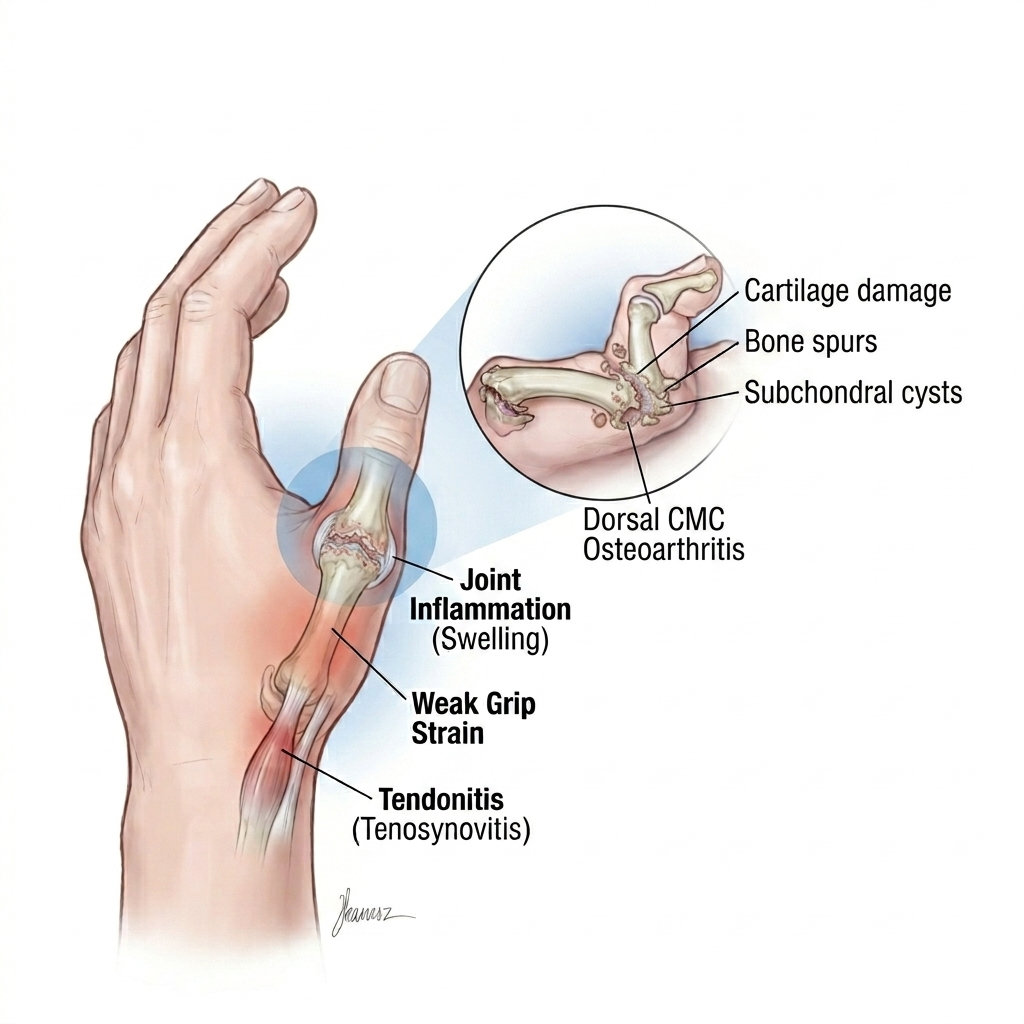
Thumb joint pain refers to discomfort, stiffness, swelling, or tenderness in the joints of the thumb. The most commonly affected area is the base of the thumb, known as the carpometacarpal (CMC) joint. This joint allows the thumb to move in different directions and helps with gripping and pinching motions.
The thumb joint works continuously during daily activities. Because of this constant movement, the cartilage inside the joint may wear down over time. When the protective cartilage becomes damaged, the bones rub against each other, leading to pain and inflammation.
Thumb joint pain may develop slowly over months or appear suddenly after an injury. Some people experience mild discomfort occasionally, while others struggle with severe pain that limits hand movement.
Common Causes of Thumb Joint Pain
Several conditions can lead to thumb joint pain. Identifying the underlying cause is important for proper treatment and long-term relief.
Thumb Arthritis
Thumb arthritis is one of the most common causes of pain at the base of the thumb. It usually develops with age as the cartilage in the joint gradually wears away. Without enough cartilage, the bones begin rubbing together, causing swelling, stiffness, and discomfort.
People over the age of 40 are more likely to develop thumb arthritis, especially women. Repetitive hand movements and previous injuries may also increase the risk.
Repetitive Strain
Repeated thumb movements from texting, gaming, typing, sewing, or manual labor can place stress on the thumb joint. Over time, this strain may irritate the tendons and muscles around the thumb, leading to pain and inflammation.
Sprains and Injuries
A fall, sports injury, or sudden twist of the thumb can damage the ligaments around the joint. Thumb sprains often cause swelling, bruising, and difficulty moving the thumb.
Tendon Inflammation
Inflammation of the tendons around the thumb can lead to pain during movement. Conditions like De Quervain’s tenosynovitis affect the tendons near the wrist and thumb, causing discomfort when gripping or lifting objects.
Rheumatoid Arthritis
Rheumatoid arthritis is an autoimmune disease that attacks the joints, including the thumb joint. This condition can cause swelling, warmth, stiffness, and joint deformity if left untreated.
Joint Overuse
People who frequently use tools, lift heavy objects, or perform repetitive hand activities may develop thumb joint pain due to overuse. Continuous stress weakens the joint and surrounding tissues over time.
Symptoms of Thumb Joint Pain
Symptoms can vary depending on the cause and severity of the condition. Some people experience occasional discomfort, while others notice persistent pain that interferes with daily life.
Common symptoms include:
- Pain at the base of the thumb
- Swelling around the thumb joint
- Tenderness when touching the joint
- Stiffness in the thumb
- Weak grip strength
- Difficulty holding objects
- Pain when pinching or twisting
- Cracking or grinding sensation in the joint
- Reduced thumb movement
- Enlarged or bony appearance near the joint
Pain may worsen during activities such as opening bottles, turning doorknobs, writing, or using a smartphone.
Risk Factors for Thumb Joint Pain
Certain factors can increase the chances of developing thumb joint pain.
Aging
As people age, cartilage naturally becomes thinner and weaker. This increases the risk of arthritis and joint degeneration.
Gender
Women are more likely to develop thumb arthritis compared to men, particularly after middle age.
Previous Injuries
Old fractures, dislocations, or sprains may weaken the thumb joint and lead to long-term pain.
Repetitive Work
Jobs or hobbies involving repetitive hand motions place extra stress on the thumb joint.
Family History
Some people inherit joint problems or weak ligaments that make thumb pain more likely.
Inflammatory Conditions
Diseases such as rheumatoid arthritis can damage the thumb joint and surrounding tissues.
How Thumb Joint Pain Is Diagnosed
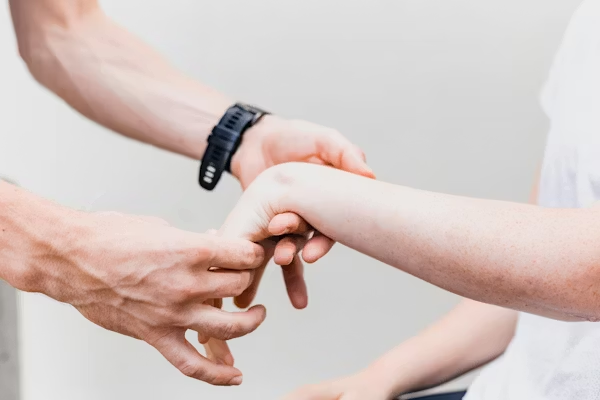
A healthcare professional usually diagnoses thumb joint pain through a physical examination and medical history. The doctor may ask about symptoms, daily activities, previous injuries, and how long the pain has been present.
During the examination, the thumb may be moved in different directions to check for stiffness, weakness, or grinding sensations.
Imaging tests such as X-rays may be used to identify arthritis, fractures, or joint damage. In some cases, blood tests may help rule out inflammatory conditions like rheumatoid arthritis.
Treatment for Thumb Joint Pain
Treatment depends on the cause and severity of the pain. Many people improve with non-surgical treatments and lifestyle changes.
Rest and Activity Modification
Reducing activities that strain the thumb joint can help decrease inflammation and allow healing. Taking regular breaks during repetitive tasks is also beneficial.
Cold and Heat Therapy
Applying ice packs may reduce swelling and pain, especially after activity. Heat therapy can help relax stiff joints and improve circulation.
Thumb Splints
A thumb splint supports the joint and limits excessive movement. Wearing a splint during activities or while sleeping may help reduce pain and improve stability.
Medications
Over-the-counter pain relievers and anti-inflammatory medicines may help control discomfort and swelling. Always use medications according to medical advice.
Physiotherapy for Thumb Joint Pain
Physiotherapy is an effective treatment option for improving thumb strength, flexibility, and joint function. A physiotherapist may recommend exercises that strengthen the muscles supporting the thumb and reduce pressure on the joint.
Gentle stretching and mobility exercises can improve movement while reducing stiffness. Hand therapy techniques may also help restore grip strength and coordination.
Exercises for Thumb Joint Pain
Specific exercises can help maintain joint flexibility and reduce discomfort when performed regularly.
Thumb Stretch
Gently move the thumb away from the palm and hold the position for a few seconds before relaxing.
Thumb Circles
Slowly rotate the thumb in circular motions to improve mobility.
Thumb Opposition Exercise
Touch the tip of the thumb to each fingertip one at a time. This exercise helps improve coordination and flexibility.
Grip Strengthening
Squeezing a soft ball gently can help strengthen the hand and thumb muscles.
Exercises should be performed carefully and stopped if severe pain occurs.
Lifestyle Tips to Reduce Thumb Joint Pain
Simple lifestyle changes may help protect the thumb joint and reduce discomfort.
- Avoid repetitive thumb movements when possible
- Use ergonomic tools and devices
- Maintain good hand posture during work
- Take breaks during typing or texting
- Use larger handles for gripping objects
- Avoid excessive force while lifting
- Keep joints warm during cold weather
- Perform regular hand exercises
When to See a Doctor
Medical attention may be necessary if thumb joint pain becomes severe or does not improve with home care.
See a healthcare professional if you experience:
- Persistent swelling
- Severe pain
- Joint deformity
- Loss of thumb movement
- Weak grip strength
- Numbness or tingling
- Pain after an injury
- Difficulty performing daily activities
Early treatment can help prevent long-term joint damage and improve recovery.
Can Thumb Joint Pain Be Prevented?
Although not all cases can be prevented, certain habits may reduce the risk of developing thumb joint pain.
Maintaining strong hand muscles, avoiding overuse, and protecting the thumb during sports or physical work can support joint health. Using proper hand techniques and ergonomic equipment may also help reduce stress on the thumb.
People with arthritis or repetitive strain should manage symptoms early to prevent worsening joint damage.
Living With Thumb Joint Pain
Living with thumb joint pain can be frustrating because the thumb is involved in nearly every hand movement. However, many people successfully manage symptoms through treatment, exercise, and activity modification.
Staying active while protecting the joint is important. Gentle movement helps maintain flexibility, while strengthening exercises support the surrounding muscles. With proper care, many individuals experience significant improvement in pain and hand function.
Conclusion
Thumb joint pain is a common condition that can interfere with everyday tasks and reduce hand strength. It may result from arthritis, injury, repetitive strain, or inflammation in the joint. Symptoms often include pain, stiffness, swelling, and difficulty gripping objects.
Early treatment and proper care can help manage symptoms and improve thumb movement. Rest, physiotherapy, exercises, splints, and lifestyle changes are often effective in reducing discomfort. Seeking medical advice for persistent or worsening pain can help prevent further joint damage and support long-term hand health.
FAQs About Thumb Joint Pain
What causes thumb joint pain?
Thumb joint pain may be caused by arthritis, repetitive strain, tendon inflammation, injuries, or autoimmune conditions such as rheumatoid arthritis.
How do I know if I have thumb arthritis?
Common signs include pain at the base of the thumb, stiffness, swelling, weak grip strength, and difficulty pinching or grasping objects.
Can thumb joint pain go away on its own?
Mild thumb pain caused by overuse may improve with rest and home care. However, persistent pain may require medical treatment or physiotherapy.
Are exercises helpful for thumb joint pain?
Yes, gentle exercises can improve flexibility, strengthen hand muscles, and reduce stiffness when performed regularly and correctly.
When should I see a doctor for thumb pain?
You should seek medical advice if the pain is severe, lasts for several weeks, limits movement, or occurs after an injury.
Can physiotherapy help thumb joint pain?
Physiotherapy can improve joint movement, strengthen supporting muscles, reduce stiffness, and help manage pain naturally.
Is thumb joint pain common with aging?
Yes, aging increases the risk of thumb arthritis because cartilage gradually wears down over time.
How can I prevent thumb joint pain?
Avoid repetitive strain, use ergonomic tools, perform hand exercises, and protect the thumb from injuries to reduce the risk of pain.