
Right shoulder pain can make everyday activities surprisingly difficult. Reaching for something on a high shelf, getting dressed, sleeping comfortably, lifting an object, or even working at a desk may become painful. While mild discomfort can sometimes improve with rest and appropriate movement, persistent or severe pain may indicate an underlying muscle, tendon, joint, or nerve problem.
Understanding the possible causes of right shoulder pain can help you recognize when self-care may be appropriate and when professional physiotherapy could be beneficial.
At Pain Relief Physio, physiotherapy focuses on identifying the source of your symptoms and creating an individualized treatment plan to help improve movement, reduce pain, and support a safe return to normal activities.
What Is Right Shoulder Pain?
Right shoulder pain refers to discomfort, stiffness, weakness, or restricted movement affecting the shoulder and surrounding structures on the right side of the body.
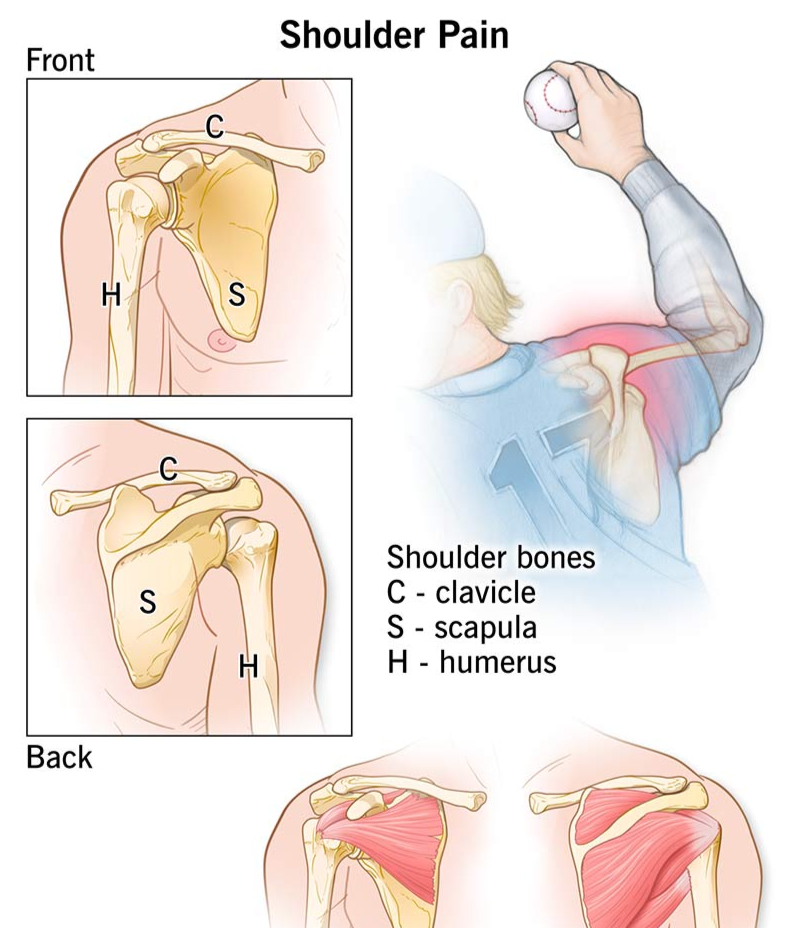
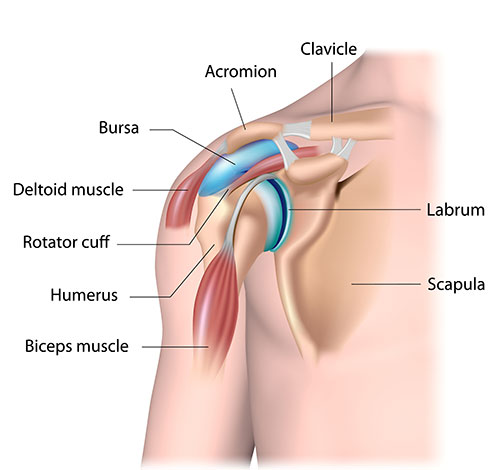
The shoulder is a complex joint involving bones, muscles, tendons, ligaments, and other soft tissues. Because it allows a wide range of movement, it can be affected by repetitive activities, poor posture, injuries, muscle tension, or conditions involving the shoulder joint.
Pain may be felt directly around the shoulder or may spread toward the upper arm, neck, or shoulder blade.
Some people experience pain only when moving the arm, while others may notice discomfort while resting or sleeping.
Common Causes of Right Shoulder Pain
There isn’t one single cause of shoulder pain. The symptoms and contributing factors can vary considerably from person to person.
1. Muscle Strain
A muscle strain can occur after lifting, exercising, reaching suddenly, or performing repetitive movements.
Overuse may cause soreness, tightness, and discomfort when moving the shoulder. A physiotherapist can assess movement and help identify whether muscle weakness or movement patterns are contributing to the problem.
2. Rotator Cuff Problems
The rotator cuff is a group of muscles and tendons that helps stabilize and move the shoulder.
Irritation or injury involving these tissues can cause pain when lifting or rotating the arm. Some people also experience weakness or difficulty performing overhead activities.
3. Poor Posture
Long periods of sitting, computer work, driving, or looking down at devices can affect the positioning and movement of the neck, shoulders, and upper back.
Poor posture doesn’t necessarily mean it is the sole cause of pain, but prolonged static positions can contribute to muscle tension and discomfort in some people.
4. Shoulder Impingement
Shoulder impingement describes symptoms that may occur when structures around the shoulder become irritated during certain movements.
Pain may be more noticeable when reaching overhead, lifting the arm, or performing repetitive activities.
5. Frozen Shoulder
Frozen shoulder can cause significant stiffness and gradually restricted movement.
People may find it increasingly difficult to reach behind their back, raise their arm, or perform everyday tasks. Physiotherapy may form part of the management plan, depending on the individual’s symptoms and stage of the condition.
6. Shoulder Arthritis
Changes within the shoulder joint can cause pain, stiffness, and reduced mobility.
Symptoms may become more noticeable with activity or after periods of inactivity. A professional assessment can help determine whether the shoulder joint may be contributing to your symptoms.
7. Neck-Related Problems
Not all shoulder pain originates in the shoulder itself.
Problems affecting the neck can sometimes cause pain or other symptoms that travel toward the shoulder, upper back, or arm. Nerve-related symptoms may also include tingling, numbness, or weakness.
This is one reason a comprehensive physiotherapy assessment can be useful when the source of pain isn’t obvious.
What Causes Right Shoulder Blade Pain?
Right shoulder blade pain can feel different from pain directly around the shoulder joint.
The shoulder blade, also called the scapula, is connected to numerous muscles and plays an important role in shoulder movement and stability.
Common contributors to discomfort around the shoulder blade can include:
- Muscle tension or strain
- Repetitive upper-body movements
- Prolonged sitting
- Poorly tolerated exercise
- Changes in shoulder movement
- Neck-related problems
- Upper-back stiffness
- Certain shoulder conditions
Pain around the shoulder blade may sometimes be associated with movement of the neck or shoulder. The exact cause cannot be determined from location alone, so persistent symptoms should be assessed by an appropriate healthcare professional.
Symptoms That May Occur With Right Shoulder Pain
Shoulder problems can produce several different symptoms.
You may experience:
- Aching or sharp pain
- Shoulder stiffness
- Reduced range of motion
- Pain when reaching overhead
- Discomfort when reaching behind your back
- Weakness in the arm or shoulder
- Pain while sleeping
- Upper-back or shoulder blade discomfort
- Neck or arm symptoms
- Difficulty lifting or carrying objects
The pattern of symptoms can provide useful information during a physiotherapy assessment.
How Physiotherapy Can Help With Right Shoulder Pain
Physiotherapy is commonly used to manage musculoskeletal pain and movement problems.
A physiotherapist may begin by asking about your symptoms, daily activities, previous injuries, work demands, and what movements increase or reduce your discomfort.
The physical assessment may include looking at:
- Shoulder movement
- Strength
- Joint mobility
- Muscle flexibility
- Posture and movement patterns
- Neck and upper-back movement
- Functional activities
The goal is not simply to treat the painful area. A physiotherapist may also look for contributing factors that could be affecting how the shoulder moves.
Manual Therapy
Depending on the assessment, treatment may include hands-on techniques designed to improve mobility and reduce discomfort.
Manual therapy may be combined with exercise rather than used as the only treatment.
Therapeutic Exercise
A personalized exercise program may help improve strength, mobility, coordination, and tolerance to everyday activities.
Exercises should be appropriate for your symptoms and performed according to professional guidance, particularly when pain is severe or the diagnosis is uncertain.
Posture and Movement Advice
If work habits, repetitive movements, or prolonged positions appear to contribute to symptoms, a physiotherapist may suggest practical changes.
These may include adjusting your workstation, taking movement breaks, modifying activities temporarily, or improving how you perform certain tasks.
Activity Modification
Complete rest is not always the best approach for musculoskeletal pain.
Depending on the cause, gradually modifying activities while maintaining appropriate movement may help you remain active without unnecessarily aggravating symptoms.
Simple Ways to Manage Mild Shoulder Discomfort
If your symptoms are mild and there are no warning signs, some general measures may help:
Keep the Shoulder Moving
Avoid keeping the shoulder completely still for prolonged periods unless a healthcare professional has advised you to do so.
Gentle, comfortable movement can help maintain mobility.
Take Regular Breaks
If you work at a desk or perform repetitive tasks, take regular movement breaks.
Changing position and moving your neck, shoulders, and upper back throughout the day may help reduce stiffness.
Avoid Pain-Provoking Activities
Temporarily reduce activities that clearly aggravate your symptoms, especially repetitive heavy lifting or movements that cause significant pain.
As symptoms improve, activities can often be gradually reintroduced.
Use Cold or Heat Appropriately
Some people find cold or heat helpful for short-term symptom relief.
The appropriate option can depend on the individual and the nature of the problem. Neither should be considered a substitute for professional assessment when symptoms persist.
When Should You See a Physiotherapist for Right Shoulder Pain?
Consider arranging a professional assessment if your right shoulder pain:
- Continues for several days or weeks without improvement
- Keeps returning
- Limits your normal activities
- Makes sleeping difficult
- Causes significant stiffness
- Is associated with weakness
- Makes it difficult to raise your arm
- Develops after an injury
- Is accompanied by persistent shoulder blade discomfort
A physiotherapist can assess your movement and help determine whether physiotherapy is appropriate or whether further medical assessment may be needed.
When Is Shoulder Pain an Emergency?
Some symptoms should not simply be treated as a musculoskeletal problem.
Seek urgent medical attention if shoulder pain occurs with symptoms such as chest pressure or pain, difficulty breathing, fainting, sudden sweating, or other symptoms that could indicate a serious medical condition.
You should also seek prompt medical assessment after significant trauma, particularly if the shoulder appears deformed, you cannot move the arm, or there is sudden severe weakness or numbness.
These situations require medical evaluation rather than relying solely on physiotherapy.
Exercises for Right Shoulder Pain
Exercises for shoulder pain should be selected according to the underlying problem.
There is no single exercise program that is suitable for everyone.
Depending on your assessment, a physiotherapist may recommend mobility, strengthening, or control exercises. Examples can include gentle shoulder movements, supported range-of-motion exercises, scapular control exercises, and progressive strengthening.
The important point is individualization.
An exercise that helps one person may aggravate another person’s symptoms. If an exercise causes significant or worsening pain, stop and seek professional guidance rather than pushing through it.
How Long Does Right Shoulder Pain Take to Improve?
Recovery time depends on the cause, severity, duration of symptoms, general health, activity demands, and how the condition responds to treatment.
Some minor problems may settle relatively quickly, while conditions involving significant stiffness, tendon problems, or more complex injuries can take longer.
Rather than focusing only on a specific number of days, monitor whether your symptoms, movement, strength, and ability to perform everyday activities are gradually improving.
If there is no meaningful improvement or your symptoms are getting worse, professional assessment is recommended.
How to Prevent Recurring Shoulder Pain
While not every shoulder problem can be prevented, several habits may support healthy shoulder function:
- Maintain regular physical activity.
- Strengthen the shoulder and upper-back muscles appropriately.
- Avoid suddenly increasing exercise intensity.
- Take breaks from repetitive tasks.
- Adjust your workstation for comfortable positioning.
- Use proper technique when lifting.
- Address recurring pain early.
- Follow a progressive exercise program when recommended.
Prevention is particularly important for people whose work, sport, or daily routine involves frequent overhead or repetitive shoulder movements.
Why Choose Physiotherapy for Shoulder Pain?
Physiotherapy takes a movement-based approach to musculoskeletal problems.
Instead of focusing only on temporary pain relief, treatment can address mobility, strength, movement patterns, and functional limitations.
At Pain Relief Physio, an individualized approach can help you understand your symptoms and work toward practical recovery goals.
Whether your problem involves right shoulder pain, right shoulder blade pain, stiffness, weakness, or difficulty with everyday movements, an appropriate assessment is an important first step.
Frequently Asked Questions
What is the most common cause of right shoulder pain?
Common causes include muscle or tendon problems, overuse, movement-related irritation, stiffness, injuries, and conditions affecting the shoulder or neck. The exact cause varies between individuals and usually requires an assessment to determine.
Why does my right shoulder blade hurt?
Right shoulder blade pain may be related to muscle tension, repetitive activity, upper-back stiffness, shoulder movement problems, or issues originating from the neck. Persistent or unexplained pain should be assessed by a healthcare professional.
Can physiotherapy help right shoulder pain?
Physiotherapy can help manage many musculoskeletal causes of shoulder pain. Treatment may involve assessment, exercise, movement advice, manual therapy, and gradual return to activities depending on the individual’s condition.
Should I exercise with right shoulder pain?
It depends on the cause and severity of the pain. Gentle movement may be appropriate for some conditions, while certain injuries require specific restrictions. If you are unsure, consult a physiotherapist before starting or continuing shoulder exercises.
How can I relieve right shoulder pain at home?
For mild symptoms, maintaining comfortable movement, taking breaks from repetitive activities, temporarily modifying aggravating activities, and using heat or cold for short-term comfort may help. Persistent or worsening symptoms should be professionally assessed.
When should I worry about shoulder pain?
Seek urgent medical attention if shoulder pain occurs with chest pain or pressure, breathing difficulty, fainting, sudden sweating, or other concerning symptoms. Significant trauma, deformity, sudden weakness, or loss of movement also requires prompt medical evaluation.
Can poor posture cause right shoulder pain?
Prolonged or poorly tolerated positions may contribute to muscle tension and shoulder or upper-back discomfort. However, posture is only one possible contributing factor, and persistent pain should not automatically be attributed to posture.
How long should I wait before seeing a physiotherapist?
If shoulder pain is persistent, repeatedly returning, interfering with sleep or daily activities, or limiting movement, an assessment may be appropriate rather than waiting for symptoms to worsen.
Final Thoughts
Right shoulder pain can have many possible causes, ranging from muscle strain and repetitive activity to shoulder joint problems or symptoms originating from the neck.
Understanding the symptoms is useful, but identifying the actual cause is even more important. A physiotherapy assessment can help evaluate your movement, strength, mobility, and functional limitations and determine an appropriate treatment approach.
If you are experiencing persistent right shoulder pain or right shoulder blade pain, don’t ignore symptoms that are affecting your daily life. Getting the right assessment can be an important step toward reducing discomfort, improving movement, and returning to the activities you enjoy.
Pain Relief Physio can help you take the next step toward understanding and managing your shoulder pain with an individualized physiotherapy approach.