Shoulder joint pain is one of the most common reasons people seek physiotherapy. It can affect anyone, from office workers and athletes to older adults and people who perform repetitive tasks. Since the shoulder is involved in almost every upper-body movement, pain in this joint can make simple daily activities difficult. Reaching for an object, lifting a child, getting dressed, driving, or even sleeping comfortably may become a challenge.
Although shoulder pain is common, it should never be ignored if it persists or limits your movement. Early treatment often prevents the condition from becoming worse and helps restore normal shoulder function more quickly.
At Pain Relief Physio, the focus is on identifying the root cause of shoulder joint pain and providing evidence-based physiotherapy that promotes long-term recovery rather than temporary relief.
What Is Shoulder Joint Pain?
Shoulder joint pain refers to discomfort that develops in or around the shoulder. The pain may start suddenly after an injury or appear gradually because of repeated strain, poor posture, or age-related wear and tear.
Some people feel a dull ache that worsens throughout the day, while others experience sharp pain when raising the arm or reaching behind their back. In certain cases, pain may spread to the upper arm, neck, or shoulder blade.
Because the shoulder contains several muscles, tendons, ligaments, cartilage, and bones working together, pain may originate from different structures within the joint.
How the Shoulder Works
The shoulder is the most mobile joint in the body. Unlike other joints, it is designed to move in multiple directions, allowing you to lift, rotate, push, pull, throw, and reach.
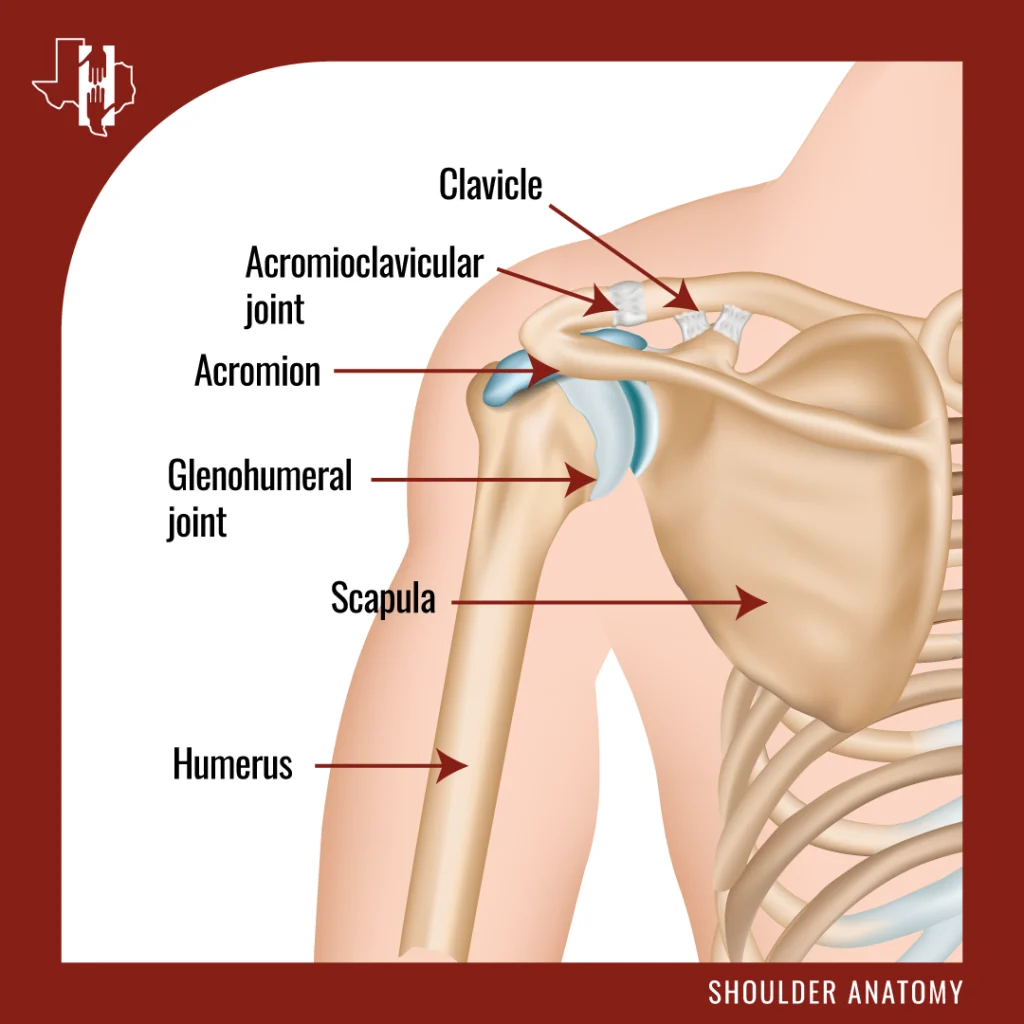
The shoulder joint is formed by three bones:
- Humerus (upper arm bone)
- Scapula (shoulder blade)
- Clavicle (collarbone)
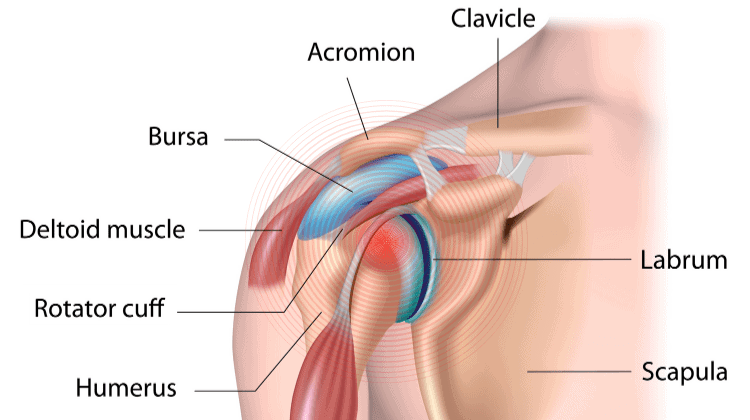
These bones are supported by:
- Rotator cuff muscles
- Tendons
- Ligaments
- Cartilage
- Bursa (fluid-filled sacs)
All these structures work together to provide strength, flexibility, and stability. Damage to any one of them can result in shoulder joint pain.
Common Causes of Shoulder Joint Pain
Many different conditions can affect the shoulder joint. Identifying the exact cause helps determine the most effective treatment.
Rotator Cuff Injury
The rotator cuff consists of four muscles that stabilize the shoulder. Overuse, sports injuries, falls, or aging can damage these muscles or their tendons.
Typical symptoms include:
- Pain while lifting the arm
- Weakness
- Difficulty reaching overhead
- Night-time shoulder pain
Shoulder Tendinitis
Repeated shoulder movements may inflame the tendons, causing pain and reduced movement. This condition often affects people whose work or sports involve frequent overhead activities.
Frozen Shoulder
Frozen shoulder develops when the tissues surrounding the shoulder joint become thick and tight. Movement gradually becomes restricted, and stiffness increases over time.
People with diabetes or those who have kept their shoulder immobile after surgery or injury are at greater risk.
Shoulder Bursitis
Small fluid-filled sacs called bursae help reduce friction inside the shoulder. When these sacs become inflamed, they cause pain, swelling, and discomfort during movement.
Shoulder Impingement
Shoulder impingement occurs when tendons become compressed during arm movement. It commonly develops due to repetitive overhead activities and poor shoulder mechanics.
Osteoarthritis
As cartilage wears away with age, the shoulder joint may become stiff and painful. Osteoarthritis usually develops gradually and may reduce the range of motion.
Shoulder Dislocation
A fall, sports injury, or accident can force the upper arm bone out of its socket. This causes severe pain, swelling, and an inability to move the arm normally.
Muscle Strain
Heavy lifting, sudden movements, or poor posture can overstretch shoulder muscles, leading to pain and stiffness.
Symptoms of Shoulder Joint Pain
The symptoms vary depending on the underlying condition.
Common signs include:
- Pain while lifting the arm
- Shoulder stiffness
- Weakness
- Reduced range of motion
- Swelling
- Tenderness
- Clicking or popping sounds
- Difficulty reaching overhead
- Pain while sleeping
- Pain spreading into the upper arm or neck
Some people notice mild discomfort only during activity, while others experience constant pain even at rest.
Who Is at Risk?
Several factors increase the risk of developing shoulder joint pain.
These include:
- Increasing age
- Poor posture
- Repetitive overhead work
- Sports such as tennis, cricket, volleyball, or swimming
- Previous shoulder injuries
- Diabetes
- Obesity
- Weak shoulder muscles
- Poor flexibility
- Lack of regular exercise
Reducing these risk factors can lower the chance of future shoulder problems.
How Shoulder Joint Pain Is Diagnosed
Accurate diagnosis is the first step toward successful treatment.
A physiotherapist or healthcare provider will ask about:
- Your symptoms
- Previous injuries
- Daily activities
- Work demands
- Sporting activities
A physical examination usually includes checking:
- Shoulder movement
- Muscle strength
- Joint stability
- Painful movements
- Tender areas
If further investigation is needed, imaging tests such as X-rays, MRI scans, or ultrasound may be recommended.
Treatment for Shoulder Joint Pain
Treatment depends on the exact cause, severity of symptoms, and your lifestyle.
Many patients recover without surgery through conservative management.
Treatment may include:
- Temporary activity modification
- Ice or heat therapy
- Anti-inflammatory medication prescribed by a doctor
- Physiotherapy
- Stretching exercises
- Strengthening exercises
- Manual therapy
- Postural correction
- Lifestyle advice
In severe cases, such as major tendon tears or repeated shoulder dislocations, surgery may be necessary.
The Role of Physiotherapy
Physiotherapy is one of the most effective ways to manage shoulder joint pain because it treats the underlying cause instead of only relieving symptoms.
A personalized rehabilitation program aims to:
- Reduce pain
- Improve shoulder mobility
- Restore muscle strength
- Increase flexibility
- Improve posture
- Enhance shoulder stability
- Restore normal movement patterns
- Reduce the risk of future injuries
At Pain Relief Physio, every rehabilitation plan is tailored to the individual’s condition, daily activities, and recovery goals. Early physiotherapy often leads to faster recovery, improved shoulder function, and a lower chance of long-term complications.
Shoulder Joint Pain: Recovery, Prevention, and Long-Term Care
Recovery Time for Shoulder Joint Pain
The time needed to recover from shoulder joint pain depends on the cause, the severity of the condition, and how soon treatment begins. Minor muscle strains often improve within a few weeks, while more complex conditions such as frozen shoulder or rotator cuff tears may require several months of rehabilitation.
A general recovery guide includes:
- Mild muscle strain: 2–4 weeks
- Tendinitis or bursitis: 4–8 weeks
- Shoulder impingement: 6–12 weeks
- Rotator cuff injury: 3–6 months
- Frozen shoulder: 6–18 months
- Recovery after shoulder surgery: 4–12 months
Every person heals at a different pace. Attending physiotherapy sessions regularly and performing prescribed home exercises can help improve recovery and restore shoulder function more effectively.
Exercises That Help Shoulder Joint Pain
Exercise is an important part of rehabilitation because it strengthens the muscles that support the shoulder and improves flexibility. Exercises should be performed slowly and only within a comfortable range of motion.
A physiotherapist may recommend:
- Pendulum exercises
- Wall climbing exercises
- Shoulder blade squeezes
- Cross-body shoulder stretch
- Doorway chest stretch
- External rotation with a resistance band
- Internal rotation exercises
- Isometric shoulder strengthening
- Scapular stabilization exercises
- Gentle range-of-motion exercises
Avoid heavy lifting or high-impact sports until your shoulder has regained adequate strength and mobility.
Simple Home Care Tips
Along with physiotherapy, simple self-care measures can help reduce pain and improve recovery.
Helpful tips include:
- Rest the shoulder without keeping it completely immobile.
- Apply an ice pack for 15–20 minutes during the first two days after an injury to reduce swelling.
- Use a warm compress later if muscle stiffness develops.
- Maintain good posture while sitting, standing, and working.
- Avoid carrying heavy bags on one shoulder.
- Take short breaks if your work involves repetitive arm movements.
- Sleep on your back or the unaffected side with a pillow supporting your arm.
- Follow your prescribed home exercise program every day.
These small changes can reduce stress on the shoulder joint and support long-term healing.
Can Shoulder Joint Pain Be Prevented?
Although some injuries happen unexpectedly, many cases of shoulder joint pain can be prevented by taking care of your muscles and joints.
Effective prevention strategies include:
- Warm up before sports or exercise.
- Strengthen the shoulder, upper back, and core muscles.
- Stretch regularly to maintain flexibility.
- Improve posture while working at a desk.
- Avoid repetitive overhead movements whenever possible.
- Lift heavy objects using proper technique.
- Increase exercise intensity gradually.
- Maintain a healthy body weight.
- Wear appropriate protective equipment during sports.
- Address minor shoulder discomfort before it becomes a serious injury.
Developing healthy movement habits can significantly lower the risk of shoulder problems.
Possible Complications of Untreated Shoulder Joint Pain
Ignoring shoulder pain or delaying treatment may lead to more serious issues.
Potential complications include:
- Chronic shoulder pain
- Permanent stiffness
- Reduced range of motion
- Muscle weakness
- Rotator cuff tears
- Frozen shoulder
- Recurrent shoulder instability
- Difficulty sleeping
- Reduced ability to work or participate in sports
- Long-term loss of shoulder function
Seeking professional advice early can help prevent these complications and improve recovery.
When Should You See a Physiotherapist?
You should consult a physiotherapist if you experience:
- Shoulder pain lasting longer than one week
- Difficulty lifting your arm
- Pain that worsens during activity
- Persistent stiffness
- Shoulder weakness
- Swelling after an injury
- Pain that disturbs your sleep
- Repeated shoulder dislocations
- Limited shoulder movement
- Pain that interferes with work or daily activities
Early assessment allows treatment to begin before the condition becomes more severe.
Why Choose Pain Relief Physio?
At Pain Relief Physio, treatment focuses on identifying the root cause of your shoulder pain rather than simply masking the symptoms. Every patient receives a personalized rehabilitation plan based on their condition, lifestyle, and recovery goals.
Our physiotherapy services include:
- Comprehensive shoulder assessment
- Individual rehabilitation programs
- Manual therapy
- Therapeutic exercises
- Posture correction
- Strength and flexibility training
- Functional movement retraining
- Home exercise guidance
- Education on injury prevention
- Ongoing progress monitoring
Our goal is to help you return to work, sports, and daily activities safely while reducing the likelihood of future shoulder problems.
Conclusion
Shoulder joint pain is a common condition that can result from injuries, repetitive strain, arthritis, tendon disorders, or poor posture. Although the symptoms can affect your daily routine and quality of life, most people recover successfully with early diagnosis, physiotherapy, and a structured rehabilitation program.
Ignoring shoulder pain can lead to stiffness, weakness, and long-term movement restrictions. Seeking timely treatment, staying active within your limits, and following a personalized exercise plan can restore shoulder strength and flexibility while helping prevent future injuries.
If shoulder pain is limiting your daily activities, consult the experienced team at Pain Relief Physio. With the right care and guidance, you can regain comfortable movement and return to the activities you enjoy.
Frequently Asked Questions (FAQs)
1. What causes shoulder joint pain?
Shoulder joint pain can be caused by rotator cuff injuries, tendinitis, bursitis, frozen shoulder, arthritis, shoulder impingement, muscle strains, or dislocations.
2. Can shoulder joint pain go away without treatment?
Some mild cases improve with rest and activity modification, but persistent or severe pain should be assessed by a healthcare professional to prevent complications.
3. How long does shoulder joint pain take to heal?
Recovery can take anywhere from a few weeks to several months, depending on the underlying cause and the treatment received.
4. Is physiotherapy effective for shoulder joint pain?
Yes. Physiotherapy helps reduce pain, improve flexibility, strengthen the shoulder muscles, restore movement, and reduce the risk of future injuries.
5. Which exercises are best for shoulder joint pain?
Pendulum exercises, wall walks, shoulder blade squeezes, stretching, and resistance band strengthening are commonly recommended, depending on your diagnosis.
6. Can poor posture cause shoulder pain?
Yes. Poor posture places extra stress on the shoulder muscles and joints, which may lead to pain, stiffness, and reduced mobility over time.
7. When should I seek medical advice for shoulder pain?
You should seek professional help if your pain is severe, lasts more than a week, limits movement, follows an injury, or is associated with swelling or weakness.
8. Is shoulder joint pain common in older adults?
Yes. Age-related wear and tear, arthritis, and rotator cuff degeneration make shoulder pain more common as people get older.
9. Can sleeping position affect shoulder pain?
Yes. Sleeping on the affected shoulder or using poor sleeping posture can increase pressure on the joint and worsen symptoms.
10. How can I prevent shoulder joint pain?
Maintain good posture, strengthen your shoulder muscles, warm up before exercise, avoid repetitive strain, and perform regular stretching to keep the shoulder healthy.