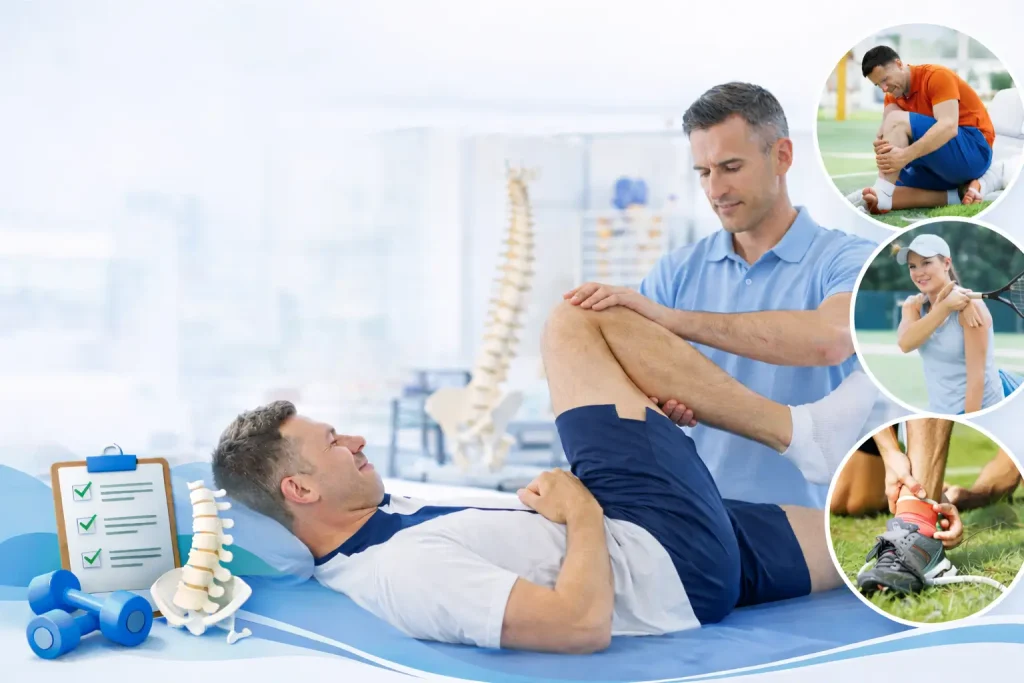
Every movement you make walking across a room, climbing stairs, lifting groceries, or playing your favorite sport depends on healthy joints. One of the most important structures keeping those joints stable is the ligament. When a ligament becomes overstretched or torn, even simple activities can become painful and difficult.
Ligament pain is more than temporary discomfort. If left untreated, it can affect balance, reduce mobility, and increase the likelihood of repeated injuries. Fortunately, most ligament problems improve with timely treatment, guided rehabilitation, and the right recovery plan.
At Pain Relief Physio, we believe that lasting recovery begins with understanding the injury itself. This guide explains what ligament pain is, why it happens, how to recognize it, and what you can do to recover safely while protecting your joints for the future.
What Is a Ligament?
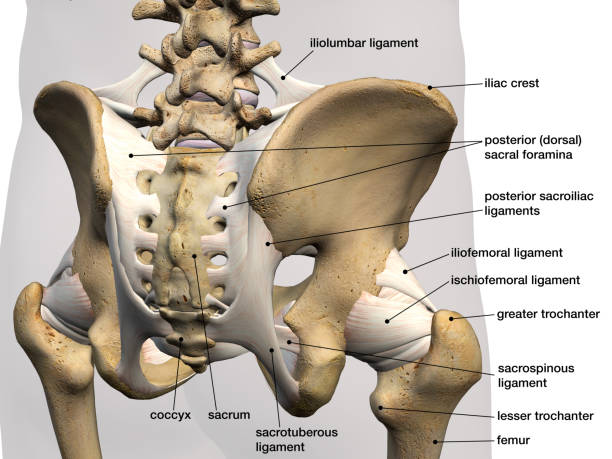
A ligament is a tough yet flexible band of connective tissue that joins one bone to another. Think of ligaments as the natural support straps of your body. Their job is to hold joints together while still allowing controlled movement.
Without ligaments, your joints would move too freely, making everyday tasks difficult and increasing the risk of dislocations. Every major joint in the body relies on healthy ligaments to remain stable during movement.
Unlike muscles, ligaments do not contract. Instead, they act as stabilizers that guide and limit joint motion.
What Is Ligament Pain?
Ligament pain develops when these connective tissues are stretched beyond their normal limits or damaged by sudden force. The injury may involve a few tiny fibers or the entire ligament.
Pain is the body’s way of signaling that the joint needs protection. Depending on the severity of the injury, discomfort may appear immediately or gradually over several hours.
Some people experience only mild tenderness, while others struggle to stand, walk, or move the injured joint.
Which Joints Are Most Commonly Affected?
Although ligaments are found throughout the body, certain joints experience greater stress and are injured more frequently.
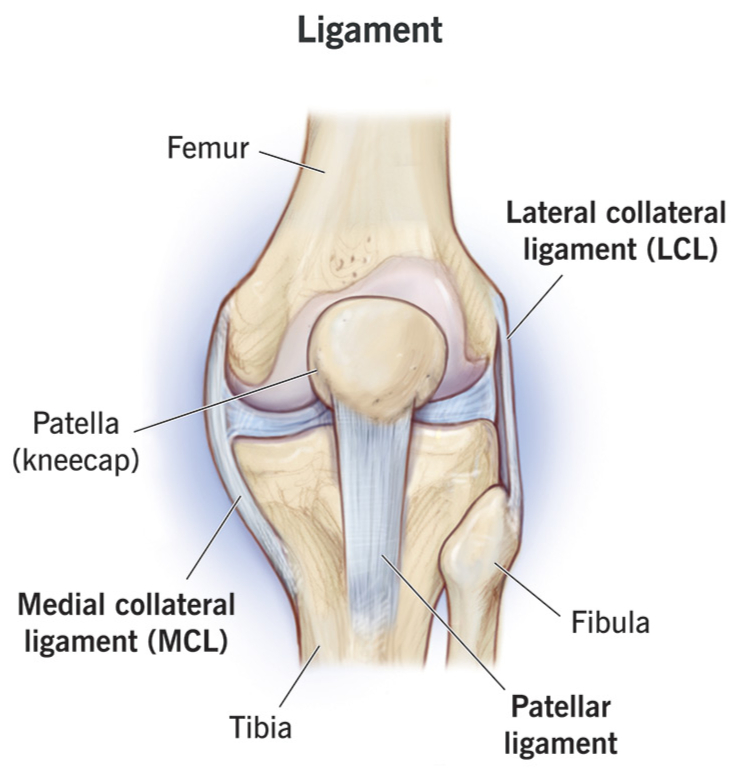
Knee
The knee carries much of your body weight and changes direction constantly during movement, making ligament injuries especially common.
Ankle
A simple misstep on uneven ground can overstretch the ankle ligaments and result in pain and swelling.
Shoulder
Because the shoulder has a wide range of motion, its ligaments are vulnerable during falls, heavy lifting, and contact sports.
Wrist
Many wrist ligament injuries occur when people instinctively place their hands on the ground during a fall.
Thumb
Athletes and skiers often injure the ligament at the base of the thumb after sudden impact.
Why Does Ligament Pain Occur?
Ligament injuries are not limited to professional athletes. They can happen during routine daily activities.
Sudden Twisting
Twisting your knee while changing direction or turning your ankle unexpectedly can stretch ligaments beyond their normal range.
Direct Impact
A collision during sports or a fall can force a joint into an unnatural position, damaging nearby ligaments.
Repetitive Stress
Repeated movements over weeks or months may gradually weaken connective tissue, increasing the chance of injury.
Poor Physical Conditioning
Weak muscles provide less support for joints. As a result, ligaments absorb more force during movement.
Lack of Flexibility
Tight muscles reduce normal joint movement and increase strain on surrounding ligaments.
Returning to Activity Too Soon
Many people resume exercise before a ligament has healed completely. This often leads to repeated injuries and slower recovery.
Early Signs You Shouldn’t Ignore
Some ligament injuries seem minor at first but become more painful over time.
Watch for symptoms such as:
- Pain that worsens with movement
- Swelling around the joint
- Tenderness when touching the area
- Difficulty bearing weight
- Feeling that the joint may “give way”
- Bruising after injury
- Reduced flexibility
- Weakness during movement
Ignoring these warning signs may increase the chance of long-term joint instability.
Understanding Different Levels of Ligament Damage
Not every ligament injury is the same. Healthcare providers generally describe injuries according to their severity.
Mild Injury
The ligament stretches slightly but remains intact.
Most people notice:
- Mild discomfort
- Small amount of swelling
- Normal joint stability
- Fast recovery with conservative care
Moderate Injury
Some ligament fibers tear while others remain connected.
Symptoms often include:
- More noticeable swelling
- Pain during movement
- Difficulty using the joint normally
- Reduced strength
- Mild instability
Recovery usually requires structured physiotherapy.
Severe Injury
The ligament tears completely.
This type of injury often causes:
- Significant swelling
- Immediate pain
- Joint instability
- Difficulty walking or lifting
- Reduced confidence using the injured limb
Some severe injuries require surgical repair followed by months of rehabilitation.
How Ligament Pain Affects Daily Life
Many people underestimate how much a ligament injury can interfere with everyday activities.
You may find it difficult to:
- Walk long distances
- Climb stairs
- Carry shopping bags
- Drive comfortably
- Exercise
- Play with children
- Sleep without discomfort
- Perform work duties
Over time, avoiding movement because of pain may also weaken nearby muscles, creating additional problems.
How Is Ligament Pain Diagnosed?
Accurate diagnosis is important because ligament injuries often resemble muscle strains or tendon injuries.
A healthcare professional begins by asking questions about:
- How the injury happened
- Which movements cause pain
- Previous injuries
- Current activity level
- Medical history
Next comes a physical examination to assess joint movement, swelling, tenderness, and stability.
If more information is needed, imaging tests may be recommended.
These can include:
- X-rays to exclude broken bones
- MRI scans to evaluate ligament damage
- Ultrasound for selected soft-tissue injuries
Early diagnosis allows treatment to begin before the injury worsens.
Why Waiting Too Long Can Be a Mistake
Many people assume ligament pain will disappear on its own. While some mild injuries improve with rest, delaying treatment can create lasting problems.
An untreated ligament injury may lead to:
- Repeated sprains
- Persistent swelling
- Joint weakness
- Poor balance
- Reduced flexibility
- Difficulty returning to sports
- Chronic discomfort
- Early joint wear
Seeking professional advice early often shortens recovery and improves long-term outcomes.
The Importance of Personalized Rehabilitation
No two ligament injuries are identical. Factors such as age, activity level, overall fitness, occupation, and injury severity all influence recovery.
That is why a personalized rehabilitation plan is far more effective than following generic exercise videos online. A structured program progresses safely through each stage of healing, helping restore movement without placing unnecessary stress on the recovering ligament.
At Pain Relief Physio, rehabilitation is designed around your individual goals—whether that means returning to competitive sports, getting back to work, or simply walking without pain.
Effective Ways to Treat Ligament Pain
Recovering from ligament pain requires more than simply waiting for the discomfort to disappear. A healing ligament needs protection, gradual movement, and progressive strengthening. The exact treatment depends on the location of the injury and how much damage has occurred.
For many people, early treatment focuses on controlling inflammation and preventing further strain. As healing progresses, the emphasis shifts toward restoring movement, improving strength, and rebuilding confidence in the injured joint.
Protect the Injured Joint
Immediately after a ligament injury, reducing stress on the affected area is one of the most important steps. Continuing to run, lift heavy objects, or participate in sports can worsen the damage.
Temporary support such as a brace, splint, or compression wrap may help protect the joint while it begins to recover.
Control Swelling During the First Few Days
Swelling is a natural response to injury, but excessive swelling can increase discomfort and reduce joint movement.
To help manage swelling:
- Apply a cold pack for 15 to 20 minutes several times a day.
- Keep the injured area elevated whenever possible.
- Avoid unnecessary pressure on the joint.
- Follow your healthcare provider’s advice regarding compression supports.
These simple measures often make the first stage of recovery much more comfortable.
Restore Movement Gradually
Keeping a joint completely still for too long may cause stiffness and muscle weakness. Once the initial pain begins to settle, gentle movement becomes an important part of recovery.
A physiotherapist will introduce safe mobility exercises that encourage flexibility without placing excessive strain on the healing ligament.
Gradual movement also improves circulation, which supports tissue repair.
Why Physiotherapy Makes a Difference
Many people assume their ligament will heal on its own. While this is sometimes true for minor injuries, recovery is often incomplete without proper rehabilitation.
Physiotherapy focuses on correcting the problems that develop after injury rather than simply reducing pain.
Treatment may include:
- Hands-on manual therapy
- Guided stretching
- Progressive strengthening exercises
- Joint mobility techniques
- Balance training
- Walking assessment
- Posture correction
- Functional movement retraining
Each stage builds upon the previous one, allowing you to return to normal activities safely.
Strength Training After a Ligament Injury
As pain decreases, strengthening becomes one of the most important parts of rehabilitation.
Strong muscles reduce the workload placed on healing ligaments and improve overall joint stability.
Your exercise program may begin with simple bodyweight movements before progressing to resistance bands, light weights, and functional exercises that match your daily activities.
The goal is not simply stronger muscles but a stronger, more stable joint.
Improving Balance and Coordination
Ligaments contain tiny sensory receptors that help your brain recognize joint position. After an injury, these receptors may not function as efficiently.
This explains why some people feel unsteady even after the pain improves.
Balance exercises retrain the communication between your brain, muscles, and joints.
Examples include:
- Standing on one leg
- Heel-to-toe walking
- Controlled stepping exercises
- Stability cushion training
- Functional balance drills
Improved balance reduces the likelihood of future injuries.
Nutrition Can Support Healing
Although no food can repair a torn ligament overnight, a balanced diet provides the nutrients your body needs to rebuild damaged tissue.
Helpful foods include:
- Lean chicken and turkey
- Fish rich in omega-3 fats
- Eggs
- Cottage cheese
- Lentils and beans
- Fresh vegetables
- Citrus fruits
- Berries
- Almonds and walnuts
- Whole grains
Staying hydrated is equally important because connective tissues depend on adequate water for normal function.
Common Mistakes That Slow Recovery
Some habits delay healing without people realizing it.
These include:
Returning to Exercise Too Early
Pain may decrease before the ligament has regained its strength. Returning to sports too soon increases the risk of another injury.
Ignoring Mild Symptoms
Small amounts of ongoing pain or instability should not be dismissed. Minor problems often become larger ones if left untreated.
Skipping Rehabilitation Exercises
Consistency is one of the biggest predictors of successful recovery. Performing exercises only occasionally limits progress.
Relying Only on Pain Medication
Medication may reduce discomfort, but it does not rebuild damaged tissue or improve joint stability.
When Surgery May Be Needed
Most people recover without surgery. However, certain injuries require surgical repair or reconstruction.
Surgery may be recommended if:
- The ligament has completely ruptured.
- The joint remains unstable.
- Multiple ligaments are damaged.
- Conservative treatment has failed.
- Your occupation or sport requires maximum joint stability.
Even after surgery, physiotherapy remains essential for restoring strength and movement.
How Long Does Ligament Pain Last?
Every recovery is different. Healing depends on several factors, including:
- The severity of the injury
- Your age
- Overall health
- The joint involved
- How closely you follow rehabilitation
- Whether surgery is required
Many mild injuries improve within a few weeks, while severe injuries may require several months of rehabilitation before returning to unrestricted activity.
Patience is essential because rushing recovery often leads to setbacks.
Tips to Reduce Your Risk of Future Ligament Injuries
Healthy habits can lower your chances of experiencing another ligament injury.
Consider these strategies:
- Warm up before every workout.
- Build strength in the muscles surrounding your joints.
- Stretch regularly to maintain flexibility.
- Wear shoes that provide proper support.
- Practice correct lifting techniques.
- Increase exercise intensity gradually.
- Include balance exercises in your routine.
- Allow your body enough time to recover after intense activity.
Small preventive measures often make a significant difference over time.
When Should You Seek Professional Help?
Although minor discomfort may improve with rest, some symptoms require professional assessment.
Arrange an evaluation if:
- Pain continues beyond several days.
- Swelling becomes worse instead of better.
- You cannot comfortably bear weight.
- The joint repeatedly gives way.
- Bruising spreads significantly.
- You hear or feel a pop at the time of injury.
- Movement remains restricted after the swelling improves.
Prompt treatment often shortens recovery and helps prevent long-term complications.
Why Patients Choose Pain Relief Physio
At Pain Relief Physio, our goal is to help patients recover with confidence—not simply relieve symptoms for a short time.
Every rehabilitation program is developed around your individual condition, lifestyle, and recovery goals. We focus on improving movement quality, rebuilding strength, and restoring joint stability through evidence-based physiotherapy.
Whether your ligament pain developed after a sporting accident, a workplace injury, or an everyday fall, our experienced team is committed to helping you regain mobility and return to the activities you enjoy.
Conclusion
Ligament pain can disrupt everyday life, but it does not have to become a long-term problem. Early assessment, appropriate treatment, and a structured rehabilitation program give your body the best opportunity to heal properly.
Recovery is not simply about waiting for pain to disappear. It involves restoring strength, improving flexibility, rebuilding balance, and protecting your joints from future injury.
If you are experiencing ongoing ligament pain or repeated joint instability, professional physiotherapy can help you move with greater confidence and support a safer, more complete recovery.
Frequently Asked Questions
What causes ligament pain?
Ligament pain usually develops after a joint is twisted, overstretched, or subjected to a sudden impact. Sports injuries, falls, and repetitive movements are among the most common causes.
Can a damaged ligament heal naturally?
Many mild and moderate ligament injuries heal without surgery when supported by rest, physiotherapy, and a gradual rehabilitation program. More severe tears may require surgical treatment.
Is exercise safe during ligament recovery?
Yes, but only when introduced at the right stage of healing. A physiotherapist can recommend exercises that improve strength and flexibility without overloading the injured ligament.
How can I tell if my ligament injury is serious?
Persistent swelling, difficulty bearing weight, significant joint instability, or a popping sensation during the injury may indicate a more serious problem that should be evaluated by a healthcare professional.
Does physiotherapy reduce ligament pain?
Yes. Physiotherapy addresses the underlying causes of pain by improving movement, strengthening supporting muscles, increasing joint stability, and reducing the likelihood of future injuries.
Can ligament injuries happen again?
Yes. Returning to activity too early or not completing rehabilitation increases the risk of reinjury. Following a structured recovery program greatly reduces this risk.