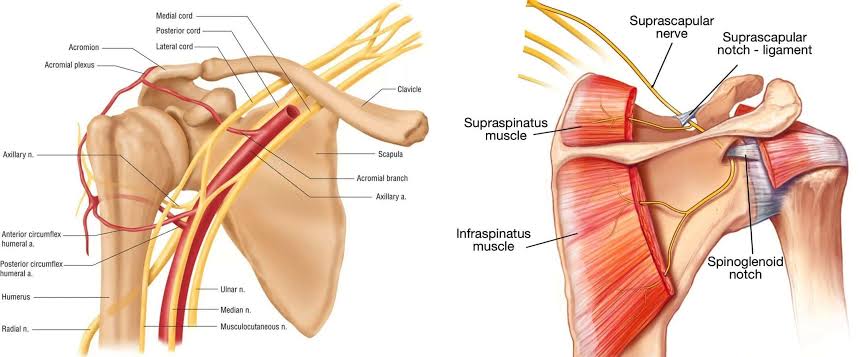
A pinched nerve in the shoulder blade happens when surrounding tissue such as a muscle, disc, bone spur or tendon presses on a nerve near the scapula (the shoulder blade). The pressure irritates the nerve and causes sharp, burning or aching pain, tingling, numbness or weakness in the upper back, shoulder or arm. Most cases improve within a few weeks with rest from aggravating activity, posture correction, targeted physiotherapy and gentle nerve-friendly exercises. Severe weakness, loss of bladder or bowel control, chest pain or breathlessness needs urgent medical care.
Introduction
It often starts quietly. You wake up with a deep ache under your shoulder blade, or you notice a sharp catch every time you reach for a seatbelt. Within days the discomfort spreads into your neck, shoulder or arm, and your fingers begin to tingle. If this sounds familiar, you may be dealing with a pinched nerve in the shoulder blade area.
A pinched nerve in shoulder tissue is one of the most common reasons people search for physiotherapy help. Long hours at a desk, heavy phone use, gym injuries, poor sleeping positions and age-related changes in the spine can all squeeze the delicate nerves that travel from your neck to your shoulder, shoulder blade and arm.
The good news is that most people recover well with the right guidance. In this complete guide, written from a physiotherapy perspective, you will learn what a pinched nerve in the shoulder blade really is, how to recognise it, what causes it, how to find relief at home, which treatments work, and when to seek urgent help.
What Is a Pinched Nerve in the Shoulder Blade?
Nerves are the body’s electrical cables. They carry movement signals from the brain to your muscles and send sensation signals such as touch, heat and pain back to the brain. A nerve becomes “pinched” (the medical term is nerve compression or radiculopathy when it happens at the spinal root) when too much pressure is placed on it by a nearby structure.
In the shoulder blade region, the pressure can happen at several points:
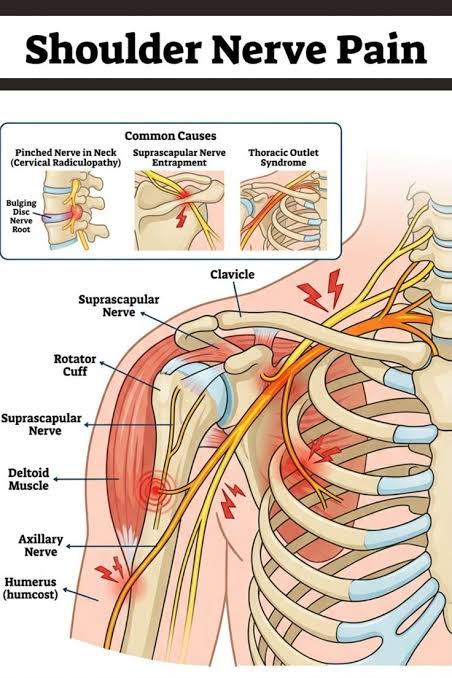
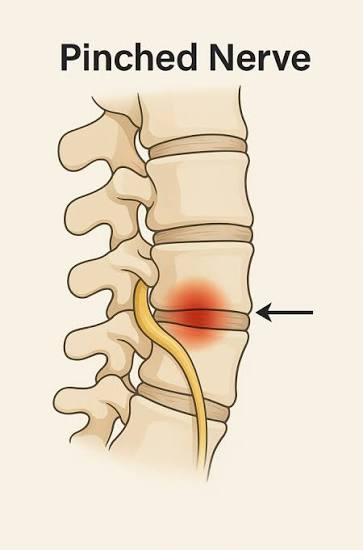
- At the neck (cervical spine): The nerve roots leave the spine between the vertebrae. A bulging disc, a bone spur or a narrowed opening can compress them. Pain is often felt in or around the shoulder blade even though the problem starts in the neck.
- Along the shoulder blade itself: The dorsal scapular nerve, the suprascapular nerve and the long thoracic nerve run close to the scapula. Tight muscles or repetitive strain can irritate them.
- At the thoracic spine (mid back): Stiff joints or irritated rib joints can refer pain toward the shoulder blade.
Because so many structures share this small area, a pinched nerve in the shoulder blade can feel confusing. The pain may not sit exactly where the problem is, which is why a proper physiotherapy assessment matters.
Understanding the Anatomy Behind Shoulder Blade Nerve Pain
The shoulder blade is a flat, triangular bone that sits on the back of your ribcage. It glides over the ribs every time you move your arm. About 17 muscles attach to it, including the trapezius, rhomboids, levator scapulae, serratus anterior, supraspinatus, infraspinatus and teres muscles.
Several nerves supply this region:
- Dorsal scapular nerve: Supplies the rhomboid muscles and levator scapulae. When irritated, it can cause a deep, nagging ache along the inner edge of the shoulder blade.
- Suprascapular nerve: Supplies the supraspinatus and infraspinatus rotator cuff muscles. Compression may cause deep shoulder pain and weakness lifting or rotating the arm.
- Long thoracic nerve: Controls the serratus anterior muscle, which holds the shoulder blade flat against the ribs. Injury can cause the shoulder blade to stick out, known as winging.
- Cervical nerve roots (C5 to C8): These exit the neck and form the brachial plexus, the network that supplies the whole arm.
When any of these nerves is squeezed, stretched or inflamed, you can feel pain, pins and needles, burning or weakness anywhere along its path.
Common Symptoms of a Pinched Nerve in Shoulder Blade
Symptoms vary depending on which nerve is involved and how severe the compression is. Common signs include:
- Sharp, stabbing or burning pain near or under the shoulder blade
- A deep ache that does not go away with rest
- Pain that spreads to the neck, shoulder, upper arm, forearm or hand
- Tingling, pins and needles or a “crawling” sensation
- Numbness in the arm or fingers
- Muscle weakness, such as difficulty lifting objects or gripping
- Pain that worsens when turning the head, looking up or lying on one side
- Stiffness and muscle spasm around the upper back
- A visible prominence of the shoulder blade (winging) in some cases
- Night pain that wakes you from sleep
A useful clue is how the pain behaves. Nerve-related pain is often described as electric, burning or shooting, and it may change with neck or arm position. Pure muscle strain, by comparison, tends to feel tight and sore and usually eases with gentle movement.
What Causes a Pinched Nerve in the Shoulder?
A pinched nerve in the shoulder rarely has just one cause. It is usually a mix of mechanical stress, posture and lifestyle. The most common causes include:
1. Poor posture
Forward head posture and rounded shoulders place extra load on the neck and upper back. For every inch your head moves forward, the strain on your neck increases significantly. Over months, this can narrow the spaces where nerves exit and overwork the muscles around the shoulder blade.
2. Cervical disc problems
A bulging or herniated disc in the neck can press on a nerve root. This is a leading cause of shoulder blade pain with arm symptoms.
3. Degenerative changes
With age, discs lose height and the body may grow small bone spurs (osteophytes). These changes can reduce the space available for nerves, a condition known as foraminal stenosis.
4. Muscle tightness and trigger points
Tight rhomboids, levator scapulae and upper trapezius muscles can compress or irritate nearby nerves. Chronic stress and sustained desk work often contribute.
5. Repetitive overhead activity
Swimmers, painters, tennis players, weightlifters and people who work with their arms raised may overload the shoulder and compress the suprascapular nerve.
6. Sudden injury or trauma
Car accidents, falls, contact sports and heavy lifting can stretch or compress nerves in the neck and shoulder.
7. Sleeping position
Sleeping with the neck twisted, the arm tucked under the pillow or a pillow that is too high or too flat can irritate nerves overnight.
8. Carrying heavy bags
A heavy backpack or shoulder bag can press on the nerves above the collarbone and strain the muscles around the shoulder blade.
9. Medical conditions
Diabetes, thyroid disease, arthritis and obesity can make nerves more sensitive and slower to heal.
10. Thoracic outlet syndrome
In this condition, nerves and blood vessels are squeezed in the narrow space between the collarbone and first rib, often causing shoulder, arm and hand symptoms.
Who Is at Higher Risk?
You may be more likely to develop a pinched nerve in the shoulder blade if you:
- Spend more than six hours a day sitting at a desk or looking at a phone
- Are between 30 and 60 years old
- Have had a previous neck or shoulder injury
- Perform repetitive overhead or lifting tasks
- Have a narrow spinal canal or arthritis in the neck
- Are pregnant, due to postural and hormonal changes
- Have a sedentary lifestyle with weak postural muscles
- Smoke, which can reduce disc health and slow tissue repair
Is It a Pinched Nerve or Something Else?
Shoulder blade pain has many possible causes. Telling them apart is one of the main goals of a physiotherapy assessment.
| Condition | Typical feeling | Key clue |
|---|---|---|
| Pinched nerve | Burning, shooting, tingling, numbness | Symptoms travel down the arm and change with neck position |
| Muscle strain | Dull, tight, sore | Tender to touch, eases with gentle movement |
| Rotator cuff problem | Deep shoulder ache | Pain lifting the arm or sleeping on that side |
| Thoracic joint dysfunction | Sharp pain with breathing or twisting | Pain between the shoulder blades, worse on deep breath |
| Frozen shoulder | Stiffness and pain | Loss of movement in all directions |
| Heart or lung problem | Pressure, shortness of breath, sweating | Medical emergency, not related to movement |
Important: Pain under the left shoulder blade can sometimes signal a heart problem. If your pain comes with chest pressure, breathlessness, sweating, nausea or dizziness, call emergency services immediately.
When Should You See a Doctor Urgently?
Most pinched nerves are not dangerous, but seek urgent medical help if you notice:
- Sudden or rapidly worsening weakness in the arm or hand
- Loss of bladder or bowel control
- Numbness spreading to both arms or the legs
- Severe pain after an accident or fall
- Fever, unexplained weight loss or a history of cancer alongside the pain
- Chest pain, tightness or difficulty breathing
- Difficulty walking or loss of balance
These signs may point to serious spinal cord or systemic conditions that need immediate investigation.
How Is a Pinched Nerve in the Shoulder Blade Diagnosed?
A thorough assessment is the foundation of effective treatment. At a physiotherapy clinic, you can expect the following.
Detailed history
Your physiotherapist will ask when the pain began, what makes it better or worse, your work and sleeping habits, past injuries and any medical conditions.
Physical examination
This includes checking your posture, neck and shoulder range of motion, muscle strength, reflexes and skin sensation. The therapist will also assess how your shoulder blade moves on the ribcage.
Special tests
Tests such as the Spurling test, cervical distraction test and upper limb neurodynamic tests help show whether a nerve is irritated and where the problem likely starts.
Imaging and nerve studies when needed
Most people do not need scans straight away. If symptoms are severe, getting worse or not improving, your clinician may refer you for an X-ray, MRI or nerve conduction study to confirm the diagnosis and rule out other causes.
Physiotherapy Treatment for a Pinched Nerve in Shoulder
Physiotherapy is widely recommended as a first-line, non-surgical approach for most nerve compression problems in the neck and shoulder. Treatment is personalised, but a typical plan includes the following.
Pain relief techniques
Manual therapy, gentle soft tissue release, heat or cold therapy, TENS (transcutaneous electrical nerve stimulation) and therapeutic ultrasound can reduce pain and muscle guarding so you can move more freely.
Joint mobilisation
Skilled hands-on techniques applied to the neck, upper back and ribs improve joint movement and can open up space around irritated nerve roots.
Nerve gliding (neural mobilisation)
Specific gentle movements help the nerve slide more freely through surrounding tissue. These are performed carefully and never forced, because over-stretching an irritated nerve can make symptoms worse.
Posture correction and ergonomic training
Your physiotherapist will show you how to set up your desk, screen, chair and phone use to reduce strain on your neck and shoulder blades.
Strengthening and stability exercises
Once pain settles, strengthening the deep neck flexors, lower trapezius, serratus anterior and rotator cuff builds long-term protection against recurrence.
Education and self-management
Understanding your condition lowers fear and improves recovery. You will learn which movements are safe, how to pace activity and how to manage flare-ups.
Dry needling or cupping (where appropriate)
Some clinicians use these techniques to release stubborn trigger points in the muscles around the shoulder blade, as part of a broader plan rather than a stand-alone fix.
Home Remedies for Pinched Nerve Relief in the First 48 Hours
While you arrange a physiotherapy visit, these simple steps can ease discomfort:
- Modify activity, do not stop completely. Avoid positions that trigger pain, such as overhead reaching and heavy lifting, but keep gently moving.
- Apply heat or cold. Use a warm pack for 15 to 20 minutes to relax tight muscles, or a cold pack wrapped in a cloth if the area feels hot and inflamed.
- Support your neck during sleep. Use a pillow that keeps your head level with your spine, and avoid sleeping on your stomach.
- Change position often. Avoid sitting in one posture for more than 30 minutes.
- Use over-the-counter pain relief carefully. Anti-inflammatory medicines may help some people, but check with a pharmacist or doctor first, especially if you have stomach, kidney or heart conditions.
- Try gentle breathing and relaxation. Slow diaphragmatic breathing reduces muscle tension around the neck and shoulders.
Best Exercises for a Pinched Nerve in the Shoulder Blade
The exercises below are general examples used in physiotherapy. Stop if they increase arm pain, tingling or numbness, and ask a physiotherapist to tailor them to your situation.
1. Chin tuck
Sit or stand tall. Gently draw your chin straight back as if making a double chin, without tilting the head. Hold for 5 seconds and repeat 10 times. This activates the deep neck muscles and reduces forward head posture.
2. Shoulder blade squeeze
Sit upright with arms relaxed. Gently pull your shoulder blades back and down, as if tucking them into your back pockets. Hold for 5 seconds, then relax. Repeat 10 times.
3. Upper trapezius stretch
Sit tall and tilt your ear toward your shoulder until you feel a mild stretch along the side of the neck. Keep the opposite shoulder relaxed. Hold for 20 to 30 seconds on each side. Skip this stretch if it sends tingling down your arm.
4. Doorway pectoral stretch
Place your forearm on a door frame with the elbow at about shoulder height. Step forward gently until you feel a stretch across the chest. Hold for 30 seconds. Tight chest muscles pull the shoulders forward and overload the shoulder blades.
5. Thoracic extension over a chair
Sit on a chair with a firm back, place your hands behind your head and gently arch your upper back over the chair edge. Hold for a few seconds and repeat 8 to 10 times to improve upper back mobility.
6. Wall slides
Stand with your back and forearms against a wall. Slowly slide your arms up and down while keeping your shoulder blades gently pulled back. Repeat 10 times to strengthen the serratus anterior and lower trapezius.
7. Scapular retraction with a resistance band
Hold a light resistance band at chest height and pull it apart by squeezing the shoulder blades together. Perform 2 sets of 12 repetitions.
8. Median nerve glide (gentle)
With the arm out to the side, slowly move the wrist and head in a coordinated “flossing” pattern within a comfortable range. Do this only under physiotherapist guidance.
Posture and Ergonomic Tips to Protect Your Shoulder Blades
Small daily changes make a big difference:
- Position your screen at eye level and about an arm’s length away
- Keep your elbows at roughly 90 degrees with forearms supported
- Place your feet flat on the floor and keep your lower back supported
- Hold your phone at eye level instead of looking down
- Use a backpack with two straps and carry no more than about 10 percent of your body weight
- Take a 2-minute movement break every 30 to 45 minutes
- Set up a laptop with a separate keyboard and mouse
- Avoid cradling the phone between your ear and shoulder
Sleeping Tips for Pinched Nerve Pain
Poor sleep slows healing and heightens pain sensitivity. To rest better:
- Sleep on your back with a small pillow under your neck, or on your side with a pillow that fills the gap between your ear and shoulder
- Place a pillow in front of you to hug so the top arm stays supported
- Avoid sleeping on the painful side if it aggravates symptoms
- Avoid stomach sleeping, which twists the neck for hours
- Keep the bedroom cool and consider a warm shower before bed to relax muscles
How Long Does a Pinched Nerve in the Shoulder Blade Take to Heal?
Recovery depends on the cause, severity and how early you start treatment.
- Mild cases: Often improve within 1 to 3 weeks
- Moderate cases: May need 4 to 8 weeks of consistent physiotherapy
- Severe or long-standing cases: Can take several months, and some people need further medical input
Research shows that the majority of people with nerve root irritation in the neck improve without surgery. Sticking with your exercises, correcting your posture and returning to activity gradually give you the best chance of full recovery.
Medical Treatments and Surgery: When Are They Needed?
If conservative care does not help after 6 to 12 weeks, or if weakness is progressing, your doctor may discuss additional options:
- Prescription medication for nerve pain
- Corticosteroid injections near the affected nerve root to reduce inflammation
- Surgery, such as discectomy or decompression, in a small number of cases with severe, persistent or worsening nerve damage
Surgery is rarely the first choice. Most people never need it.
Common Mistakes That Delay Recovery
- Resting completely for too long. Prolonged immobility stiffens joints and weakens muscles.
- Aggressive stretching. Pulling hard on an irritated nerve can inflame it further.
- Ignoring posture. Treating only the pain without fixing the cause leads to repeat episodes.
- Self-cracking the neck or back repeatedly. Forceful manipulation without assessment can aggravate nerve irritation.
- Skipping follow-up. Pain may improve before strength and movement fully return.
- Relying only on painkillers. Medication helps symptoms but does not correct the mechanical problem.
How to Prevent a Pinched Nerve in the Shoulder
Prevention comes down to consistent healthy habits:
- Strengthen your postural muscles two to three times each week
- Stay active, with regular walking, swimming or yoga
- Maintain a healthy body weight to reduce spinal load
- Warm up before exercise or heavy manual work
- Lift with your legs and keep loads close to your body
- Manage stress, since tension tightens neck and shoulder muscles
- Stay hydrated and eat a balanced diet that supports tissue health
- Review your workstation every few months
Why Choose PainReliefPhysio for a Pinched Nerve in Shoulder Blade?
At PainReliefPhysio, we treat the cause of your pain, not just the symptoms. Every plan begins with a detailed assessment, followed by an evidence-informed program that may combine manual therapy, nerve mobilisation, targeted exercise, posture retraining and practical ergonomic advice. Our goal is to help you move comfortably, sleep better and return to the activities you love, with clear guidance on what to do between sessions.
If pain, tingling or weakness around your shoulder blade is interfering with daily life, do not wait for it to become chronic. Early physiotherapy often shortens recovery time and lowers the risk of recurrence.
Frequently Asked Questions (FAQs)
1. What does a pinched nerve in the shoulder blade feel like?
It usually feels like a sharp, burning or deep aching pain near or under the shoulder blade. You may also notice tingling, numbness or weakness that spreads into the neck, arm or fingers. Symptoms often change when you turn your head or move your arm.
2. How do I know if shoulder blade pain is a pinched nerve or a muscle strain?
Nerve pain tends to be burning, electric or shooting and may travel down the arm with pins and needles. Muscle strain usually feels tight and tender, stays local and improves with gentle movement. A physiotherapist can confirm the difference with simple neurological and movement tests.
3. Can a pinched nerve in the shoulder go away on its own?
Mild cases often settle within a few weeks as inflammation reduces and posture improves. However, ignoring the cause can lead to repeated flare-ups. Physiotherapy speeds recovery and helps prevent the problem returning.
4. How long does a pinched nerve in the shoulder blade last?
Most people improve within 1 to 6 weeks with proper care. Longer-standing or more severe compression may take several months. Early treatment generally leads to faster recovery.
5. What is the fastest way to relieve a pinched nerve in the shoulder blade?
Avoid aggravating positions, apply heat or cold, use supportive sleeping positions and perform gentle movement such as chin tucks and shoulder blade squeezes. Booking a physiotherapy assessment gives the quickest route to lasting relief because treatment targets the exact source.
6. Is heat or ice better for a pinched nerve?
Cold can calm a freshly irritated, inflamed area during the first day or two. Heat is usually better for tight, spasming muscles afterward. Use whichever eases your symptoms for 15 to 20 minutes at a time, with a cloth barrier to protect the skin.
7. Can stress cause a pinched nerve in the shoulder blade area?
Stress does not directly pinch a nerve, but it increases muscle tension in the neck, upper back and shoulders. Tight muscles can irritate nerves and make pain feel stronger. Relaxation, breathing exercises and regular movement help.
8. Which sleeping position is best for a pinched nerve?
Sleeping on your back with a supportive pillow under the neck is usually best. Side sleeping also works if the pillow keeps your head level and you hug a second pillow to support the top arm. Avoid stomach sleeping.
9. Should I massage a pinched nerve in the shoulder?
Gentle massage of tight surrounding muscles can help, but deep or aggressive pressure directly over an irritated nerve may worsen symptoms. Seek advice from a physiotherapist who can choose safe techniques for your case.
10. When should I worry about pain under my shoulder blade?
Get urgent medical help if the pain comes with chest pressure, shortness of breath, sweating, sudden weakness, loss of bladder or bowel control, fever or follows a serious injury. Persistent pain lasting more than a couple of weeks should also be assessed by a professional.
11. Can a pinched nerve cause pain in the left shoulder blade only?
Yes, nerve compression often affects one side. But left-sided shoulder blade pain with chest discomfort or breathlessness can signal a heart condition, so never ignore those warning signs.
12. Do I need an MRI for a pinched nerve in the shoulder?
Not usually at first. Most cases are diagnosed through clinical examination. Imaging is considered if symptoms are severe, progressive, linked to trauma or fail to improve after several weeks of treatment.
Key Takeaways
- A pinched nerve in the shoulder blade usually starts in the neck, upper back or the muscles around the scapula.
- Typical symptoms are burning or sharp pain, tingling, numbness and weakness.
- Poor posture, disc changes, repetitive strain and muscle tightness are leading causes.
- Most people recover without surgery through physiotherapy, posture correction and progressive exercise.
- Red-flag symptoms such as chest pain, severe weakness or loss of bladder control need emergency care.
Conclusion
A pinched nerve in the shoulder blade can be painful, frustrating and disruptive, but it is rarely permanent. By understanding the causes, recognising early symptoms, protecting your posture and starting a guided rehabilitation plan, you give your body the best chance to heal. Whether your discomfort began after a long workday, a gym session or a restless night, expert physiotherapy can help calm the nerve, restore movement and rebuild strength.
If you are ready to stop living with shoulder blade pain, book an assessment with PainReliefPhysio today and take the first step toward moving freely again.
Medical disclaimer: This article is for general education and does not replace personalised medical advice, diagnosis or treatment. Consult a qualified healthcare professional about your symptoms, and seek emergency care if you experience warning signs such as chest pain, severe weakness or loss of bladder or bowel control.