
Shoulder pain is one of the most common musculoskeletal problems affecting people of all ages. Whether caused by poor posture, injury, overuse, or an underlying medical condition, shoulder discomfort can interfere with everyday activities such as lifting objects, driving, sleeping, or even brushing your hair.
The shoulder joint is highly flexible and allows a wide range of motion. However, this flexibility also makes it more vulnerable to strain, inflammation, and injury. Pain may develop suddenly after trauma or gradually over time due to repetitive movement and muscle imbalance.
Many people also experience left shoulder pain, which can sometimes feel alarming. In most cases, it results from muscle strain, joint irritation, or nerve pressure. However, severe left shoulder pain accompanied by chest tightness or breathing problems may signal a more serious condition that needs immediate medical attention.
Understanding the causes, symptoms, and treatment options for shoulder pain can help you recover faster and prevent long-term complications.
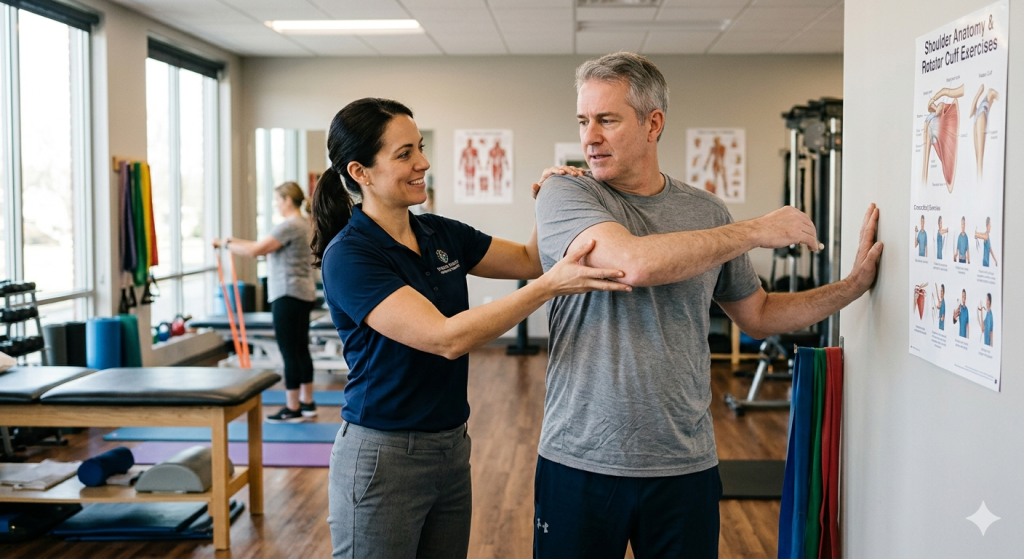
What Is Shoulder Pain?
Shoulder pain refers to discomfort in or around the shoulder joint. The pain may affect muscles, tendons, ligaments, cartilage, or bones. It can occur in one shoulder or both shoulders depending on the underlying cause.
The shoulder consists of several important structures that work together to provide movement and stability. These include:
- Rotator cuff muscles and tendons
- Shoulder blade
- Collarbone
- Bursa sacs
- Ligaments and cartilage
When any of these parts become inflamed, injured, or overworked, pain and stiffness can develop.
Some people experience mild discomfort only during movement, while others may have constant pain even while resting.
Common Causes of Shoulder Pain
There are many possible causes of shoulder pain. Some conditions are temporary and improve with rest, while others may require physiotherapy or medical treatment.
Rotator Cuff Injuries
The rotator cuff is a group of muscles and tendons that stabilize the shoulder joint. Repetitive movements, heavy lifting, sports activities, or aging can damage these tendons.
Rotator cuff injuries often cause:
- Pain while lifting the arm
- Weakness in the shoulder
- Difficulty reaching overhead
- Nighttime discomfort
This is one of the leading causes of chronic shoulder pain in adults.
Frozen Shoulder
Frozen shoulder, also called adhesive capsulitis, causes severe stiffness and limited shoulder movement. It usually develops gradually and becomes worse over time.
People with diabetes or prolonged shoulder immobility are at higher risk of developing frozen shoulder.
Symptoms include:
- Shoulder stiffness
- Reduced range of motion
- Pain during movement
- Difficulty performing daily tasks
Recovery may take several months, but physiotherapy exercises often help improve movement.
Shoulder Bursitis
Bursae are small fluid-filled sacs that reduce friction between tissues in the shoulder. When these sacs become inflamed, the condition is called bursitis.
Shoulder bursitis can develop due to:
- Repetitive motion
- Overuse injuries
- Poor posture
- Trauma
Pain usually becomes worse during arm movement or while lying on the affected shoulder.
Arthritis
Arthritis in the shoulder joint can lead to inflammation, stiffness, and pain. Osteoarthritis is the most common type and usually develops with age.
Common symptoms include:
- Joint stiffness
- Grinding sensation
- Swelling
- Pain during movement
Rheumatoid arthritis may also affect the shoulder and cause chronic inflammation.
Shoulder Dislocation
A shoulder dislocation occurs when the upper arm bone slips out of the shoulder socket. This injury is common in sports accidents and falls.
Symptoms may include:
- Severe pain
- Visible deformity
- Swelling
- Inability to move the arm
Immediate medical treatment is usually required.
Poor Posture
Poor posture is a growing cause of shoulder pain, especially among office workers and people who spend long hours using phones or computers.
Slouching places extra pressure on the shoulder muscles and joints, leading to:
- Muscle tightness
- Neck and shoulder pain
- Reduced mobility
- Tension headaches
Correcting posture and strengthening muscles can significantly reduce discomfort.
Left Shoulder Pain
Left shoulder pain is common and may result from:
- Muscle strain
- Rotator cuff injury
- Sleeping in an awkward position
- Nerve compression
- Joint inflammation
However, sudden left shoulder pain combined with chest pain, dizziness, sweating, or shortness of breath may indicate a heart attack. In such situations, emergency medical care is necessary.
Symptoms of Shoulder Pain
Symptoms vary depending on the underlying condition. Some people experience mild discomfort, while others struggle with severe pain and limited movement.
Common symptoms include:
- Sharp or dull shoulder pain
- Stiffness
- Swelling
- Tenderness
- Weakness in the arm
- Reduced range of motion
- Clicking or popping sounds
- Difficulty lifting objects
- Pain spreading to the neck or upper arm
Pain may worsen during physical activity or while sleeping on the affected side.
Risk Factors for Shoulder Pain
Certain factors increase the likelihood of developing shoulder problems, including:
- Aging
- Poor posture
- Repetitive overhead movements
- Sports injuries
- Heavy lifting
- Lack of exercise
- Muscle weakness
- Previous shoulder injuries
People working in physically demanding jobs may also be at higher risk.
How Shoulder Pain Is Diagnosed
A healthcare professional may diagnose shoulder pain through:
Physical Examination
The doctor checks movement, strength, swelling, and tenderness.
Imaging Tests
Tests such as X-rays, MRI scans, or ultrasound may help identify injuries or inflammation.
Medical History
Your provider may ask about:
- Previous injuries
- Work activities
- Exercise habits
- Pain patterns
Accurate diagnosis helps determine the most effective treatment plan.
Treatment Options for Shoulder Pain
Treatment depends on the severity and cause of the pain. Most mild cases improve with conservative care.
Rest and Activity Modification
Resting the shoulder allows inflamed tissues to heal. Avoid activities that increase pain, especially heavy lifting and repetitive overhead movements.
Ice Therapy
Applying an ice pack for 15–20 minutes several times daily may help reduce swelling and inflammation.
Avoid placing ice directly on the skin.
Heat Therapy
Heat therapy relaxes tight muscles and improves blood circulation. Warm compresses may help relieve chronic stiffness.
Pain Relief Medications
Over-the-counter medications such as ibuprofen or acetaminophen can temporarily reduce pain and inflammation.
Always follow dosage instructions carefully.
Physiotherapy
Physiotherapy is one of the best treatments for shoulder pain. A physiotherapist may recommend exercises to:
- Improve flexibility
- Increase strength
- Restore movement
- Reduce stiffness
Regular rehabilitation can speed recovery and prevent future injuries.
Corticosteroid Injections
In some cases, doctors may use steroid injections to reduce inflammation and severe pain.
These injections are usually recommended when other treatments fail.
Surgery
Surgery may be needed for:
- Severe rotator cuff tears
- Recurrent dislocations
- Fractures
- Advanced arthritis
Recovery after surgery often includes rehabilitation exercises.
Best Exercises for Shoulder Pain Relief
Gentle exercises can improve shoulder mobility and strength. Always perform exercises slowly and stop if pain becomes severe.
Pendulum Stretch
Lean forward slightly and allow the arm to swing gently in circles.
Shoulder Rolls
Roll your shoulders backward and forward to reduce stiffness.
Cross-Body Stretch
Pull one arm across your chest and hold for 20 seconds.
Wall Crawls
Walk your fingers up a wall slowly to improve range of motion.
Resistance Band Exercises
Resistance bands help strengthen the shoulder muscles safely.
Consistent exercise can improve flexibility and reduce pain over time.
Tips to Prevent Shoulder Pain
Preventing shoulder injuries is easier than treating chronic pain. Healthy habits can protect the shoulder joint and improve long-term mobility.
Maintain Good Posture
Sit upright and avoid slouching during work or phone use.
Stretch Regularly
Gentle stretching keeps muscles flexible and reduces stiffness.
Strengthen Shoulder Muscles
Regular exercise improves stability and lowers injury risk.
Avoid Overuse
Take breaks during repetitive activities to prevent strain.
Lift Properly
Use correct lifting techniques and avoid carrying excessive weight.
Sleep in a Supportive Position
Avoid sleeping directly on the painful shoulder.
Lifestyle Changes for Better Shoulder Health
Simple lifestyle changes may improve recovery and reduce future problems:
- Stay physically active
- Maintain a healthy weight
- Manage stress levels
- Eat anti-inflammatory foods
- Stay hydrated
- Avoid smoking
Healthy habits support muscle recovery and joint function.
When to Seek Medical Help
You should contact a healthcare provider if you experience:
- Severe or sudden pain
- Shoulder swelling
- Fever with shoulder pain
- Difficulty moving the arm
- Pain lasting longer than a few weeks
- Numbness or weakness
- Sudden left shoulder pain with chest pressure
Early treatment can prevent complications and improve recovery.
Conclusion
Shoulder pain can affect your daily routine, sleep, and overall quality of life. Whether caused by injury, poor posture, arthritis, or overuse, proper care is important for recovery.
Most cases improve with rest, physiotherapy, stretching, and lifestyle changes. Understanding the cause of shoulder discomfort and taking early action can help prevent long-term complications.
If you are experiencing persistent shoulder pain or severe left shoulder pain, consult a healthcare professional for proper diagnosis and treatment. With the right care and rehabilitation, you can regain strength, mobility, and comfort in your shoulder joint.
FAQs
1. What is the most common cause of shoulder pain?
Rotator cuff injuries, muscle strain, and poor posture are among the most common causes of shoulder pain.
2. Can left shoulder pain be related to heart problems?
Yes, sudden left shoulder pain with chest tightness, sweating, or breathing difficulty may indicate a heart problem and requires emergency medical care.
3. How long does shoulder pain take to heal?
Mild shoulder pain may improve within days, while severe injuries or frozen shoulder can take weeks or months to recover.
4. Are exercises helpful for shoulder pain?
Yes, gentle stretching and strengthening exercises can improve mobility, reduce stiffness, and support recovery.
5. When should I see a doctor for shoulder pain?
You should seek medical advice if the pain is severe, lasts more than a few weeks, causes swelling, or limits shoulder movement.