Back discomfort can affect almost every part of daily life. Something as simple as bending down to tie your shoes, getting out of bed, sitting at work, or lifting a grocery bag may suddenly become difficult. One condition that frequently contributes to these problems is a slipped disc. Although the name sounds alarming, a slipped disc does not always mean permanent damage or surgery. In fact, many people recover successfully through proper rehabilitation and physiotherapy.
A slipped disc is one of the most discussed conditions because it can produce symptoms that travel beyond the back. Some individuals feel pain moving into their legs, while others experience numbness, tingling, or weakness. Because the symptoms vary from person to person, many people become confused about what is actually happening inside their spine.
Understanding the condition is often the first step toward recovery. When patients learn how a slipped disc develops and what treatment options are available, they usually feel more confident about managing their symptoms and returning to normal activities.
What Does a Slipped Disc Actually Mean?
The spine is made up of a series of bones stacked on top of one another. Between these bones are flexible cushions called discs. These cushions help absorb shock whenever you walk, run, jump, bend, or lift.
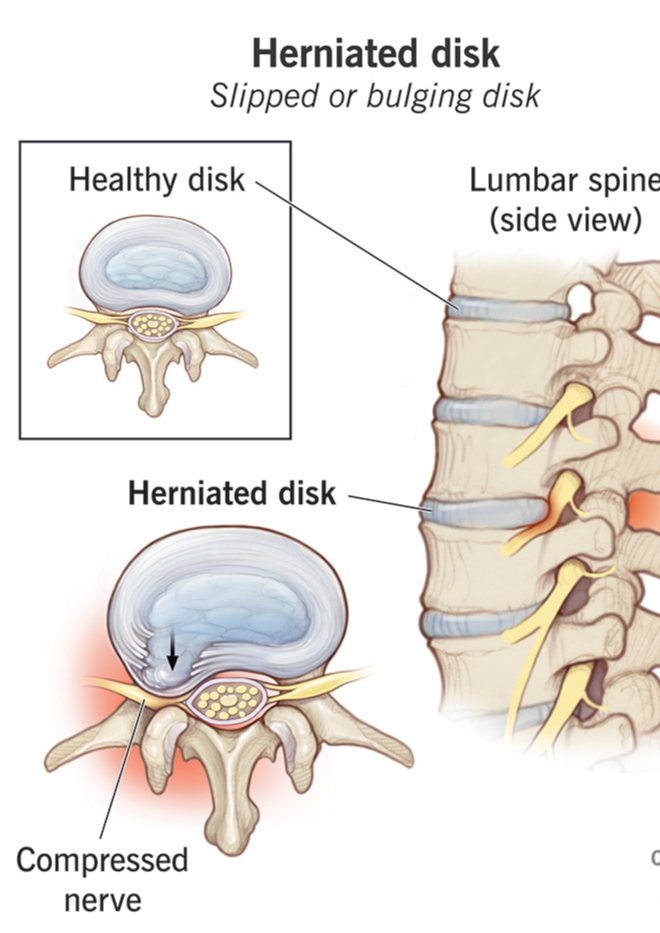
Think of a spinal disc as a small cushion with a softer center and a stronger outer covering. Over time or due to excessive stress, the outer covering may weaken. When this happens, part of the inner material can push outward. This is commonly known as a slipped disc.
Despite the term “slipped,” the disc does not literally slide out of the spine. Instead, it changes shape and may bulge beyond its normal boundary. If the bulging disc irritates nearby nerves, symptoms begin to appear.
Some people are surprised to learn that a disc bulge does not always cause pain. Many adults have minor disc changes without experiencing any symptoms. Problems usually develop when nerve tissues become irritated or compressed.

Why a Slipped Disc Can Feel So Painful
The spinal nerves are responsible for sending signals throughout the body. When pressure develops around these nerves, the body reacts in several ways.
Pain is often the first warning sign. The discomfort may remain localized in the back or neck, but it can also travel into other areas. A disc issue in the lower back may trigger symptoms in the buttocks, thighs, calves, or feet. Likewise, a disc problem in the neck may affect the shoulders, arms, or hands.
The nervous system is extremely sensitive. Even a small amount of pressure around a nerve can create sensations that feel much larger than the actual injury itself. This explains why some individuals experience burning, shooting, or electric-like pain.
Inflammation also plays a major role. When disc material comes into contact with surrounding tissues, the body may trigger an inflammatory response. This irritation can increase pain levels and make movement more uncomfortable.
Signs That May Indicate a Slipped Disc
Not every case looks the same. Some people develop symptoms gradually over months, while others notice a sudden onset after lifting something heavy or making an awkward movement.
A common complaint is persistent lower back pain that does not improve with simple rest. The pain may worsen after sitting for long periods or when bending forward.
Another frequent symptom is pain that radiates into one leg. This often occurs because the sciatic nerve becomes irritated. People sometimes describe the sensation as sharp, burning, or shooting.
Tingling and numbness may also develop. These sensations often appear in the leg, foot, hand, or arm depending on which nerve is involved.
Some individuals notice weakness when walking, climbing stairs, or lifting objects. Muscle weakness can occur because the affected nerve is no longer sending signals efficiently.
Symptoms may increase during coughing, sneezing, or prolonged sitting because these activities temporarily increase pressure inside the spinal discs.
Everyday Habits That May Increase Risk
A slipped disc is rarely caused by a single event. In many cases, years of repetitive stress gradually weaken spinal structures.
One of the most common contributors is poor posture. Sitting with a rounded back for several hours each day places extra pressure on spinal discs. Office workers, students, and drivers often experience this challenge.
Lack of movement can also create problems. When muscles become weak, the spine loses some of its natural support system. This forces discs to handle greater mechanical loads.
Excess body weight may place additional stress on the lower back. Over time, this increased pressure can accelerate wear and tear.
Improper lifting techniques remain another significant factor. Lifting heavy objects while twisting the body can place tremendous strain on spinal tissues.
Smoking has also been associated with reduced disc health because it affects blood flow and tissue nutrition.
Even emotional stress may contribute indirectly. People under stress often develop muscle tension and poor movement patterns that place additional pressure on the spine.
The Role of Physiotherapy in Recovery
One of the biggest misconceptions about a slipped disc is that complete rest is the best solution. While short periods of rest may help during severe flare-ups, excessive inactivity often delays recovery.
Physiotherapy focuses on restoring movement, improving strength, and helping the body function more efficiently. Instead of simply masking symptoms, physiotherapy aims to address the factors contributing to pain.
A physiotherapist begins by assessing posture, flexibility, strength, movement quality, and symptom patterns. Based on these findings, an individualized treatment plan is created.
Treatment often includes mobility exercises designed to reduce stiffness and improve spinal movement. Strengthening exercises are gradually introduced to support the muscles surrounding the spine.
Core stability training is particularly important. The muscles of the abdomen, lower back, pelvis, and hips work together to support spinal structures. Improving their function can significantly reduce stress on the affected area.
Education is another valuable component of treatment. Patients learn how to sit, stand, lift, and move in ways that reduce strain on the spine.
Recovery Takes More Than Pain Relief
Many people stop treatment as soon as pain decreases. However, successful recovery involves more than becoming pain-free.
The body needs time to rebuild strength, flexibility, and confidence. Returning too quickly to demanding activities may increase the likelihood of recurrence.
Developing healthy habits is essential. Regular exercise, proper posture, safe lifting techniques, and consistent movement throughout the day all contribute to long-term spinal health.
Walking is often one of the most beneficial activities during recovery. It promotes circulation, encourages gentle movement, and supports overall well being without placing excessive pressure on the spine.
Consistency matters more than intensity. Small daily improvements often produce better results than occasional aggressive workouts.
Conclusion
A slipped disc can be frustrating, painful, and disruptive, but it does not have to define your future. Most people improve significantly when they receive appropriate treatment and remain committed to their recovery plan. Understanding the condition, staying active within comfortable limits, and following professional guidance can make a meaningful difference.
Physiotherapy remains one of the most effective approaches for managing slipped disc symptoms because it addresses both the pain and the underlying movement issues that contribute to the condition. By focusing on mobility, strength, posture, and education, individuals can often return to normal activities without surgery.
At Pain Relief Physio, we believe recovery is not simply about reducing symptoms. It is about helping people move better, feel stronger, and regain confidence in their daily lives. With patience, consistency, and the right support, long-term improvement is achievable.
Frequently Asked Questions
Can a slipped disc heal on its own?
Many slipped discs improve naturally over time. The body can gradually reduce inflammation and adapt to changes within the disc.
Is walking helpful for a slipped disc?
Yes. Gentle walking is often recommended because it promotes circulation and maintains mobility without excessive strain.
How long does recovery usually take?
Recovery varies, but many people notice improvement within several weeks. More significant cases may require several months of rehabilitation.
Can physiotherapy help avoid surgery?
In many cases, yes. Physiotherapy helps reduce symptoms, improve function, and strengthen supporting muscles, allowing many individuals to recover without surgical intervention.
What should I avoid if I have a slipped disc?
Heavy lifting, sudden twisting movements, prolonged sitting, and activities that increase pain should generally be avoided.
Does a slipped disc always cause sciatica?
No. A slipped disc may cause sciatica if it irritates the sciatic nerve, but not every slipped disc leads to sciatica symptoms.
Can exercise make a slipped disc worse?
The wrong exercises may aggravate symptoms, but properly prescribed exercises are often an important part of recovery.
When should I seek professional help?
You should seek professional assessment if pain persists, symptoms worsen, weakness develops, or daily activities become difficult.