Toe joint pain can make even the simplest daily activities difficult. Walking, standing, exercising, or wearing shoes may become uncomfortable when pain develops in the joints of the toes. Many people ignore the discomfort in the beginning, but untreated toe problems can gradually worsen and affect mobility.
The most common type is big toe joint pain, which usually develops because of arthritis, injury, inflammation, or repeated pressure on the foot. The big toe carries much of the body’s weight while walking, making it vulnerable to pain and stiffness over time.
At Pain Relief Physio, we help individuals understand the causes of toe discomfort and provide effective ways to manage pain naturally. Early care, proper footwear, physiotherapy, and lifestyle adjustments can significantly improve symptoms and prevent long-term complications.
What Is Toe Joint Pain?
Toe joint pain refers to discomfort, stiffness, swelling, or inflammation in one or more toe joints. The pain may affect the small joints of the toes or the larger joint where the big toe connects to the foot.
The condition can range from mild irritation to severe pain that limits movement. Some people experience pain only while walking, while others may feel persistent discomfort even while resting.
Toe joints are important because they help maintain balance, support body weight, and allow smooth walking movements. When these joints become inflamed or damaged, normal movement becomes painful.
Common Symptoms of Toe Joint Pain
Symptoms may vary depending on the underlying cause, but common signs include:
- Pain while walking or standing
- Swelling around the toe joint
- Stiffness in the morning
- Difficulty bending the toe
- Redness or warmth around the joint
- Clicking or grinding sensation
- Tenderness when touching the toe
- Reduced flexibility
- Sharp pain in the big toe joint
- Pain that worsens in cold weather
Some individuals may also notice a bump or enlargement near the joint, especially in cases involving arthritis.
What Causes Toe Joint Pain?
Several conditions can lead to toe joint pain. Understanding the root cause is essential for proper treatment.
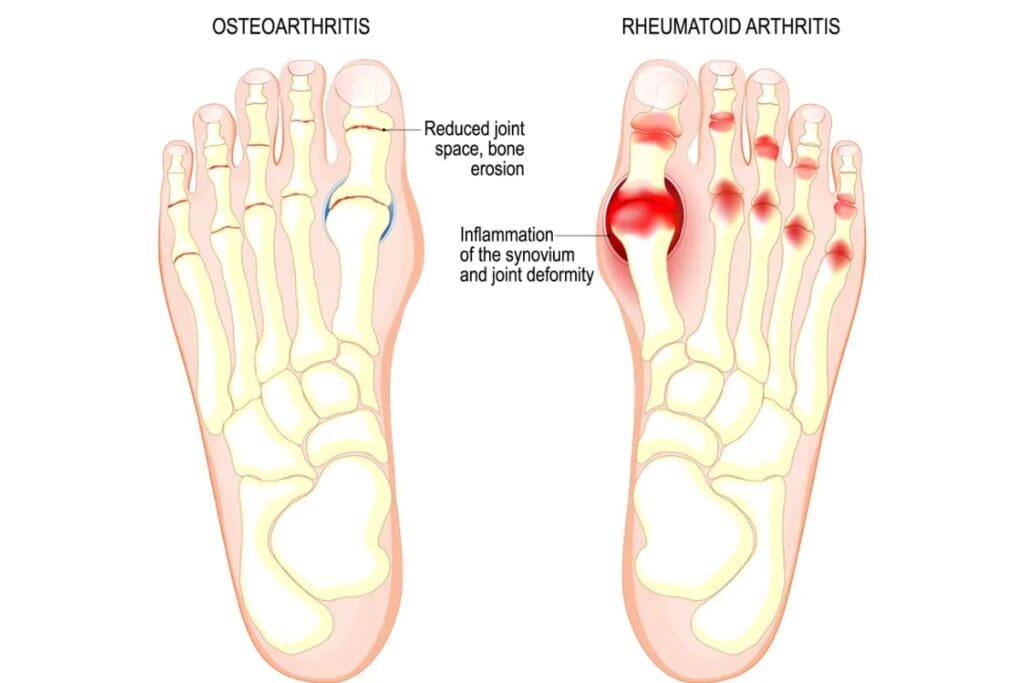
1. Arthritis
Arthritis is one of the leading causes of toe joint pain. Osteoarthritis develops when cartilage gradually wears away, causing bones to rub together. Rheumatoid arthritis can also attack the toe joints and create inflammation.
The big toe joint is especially vulnerable because it absorbs pressure during walking.
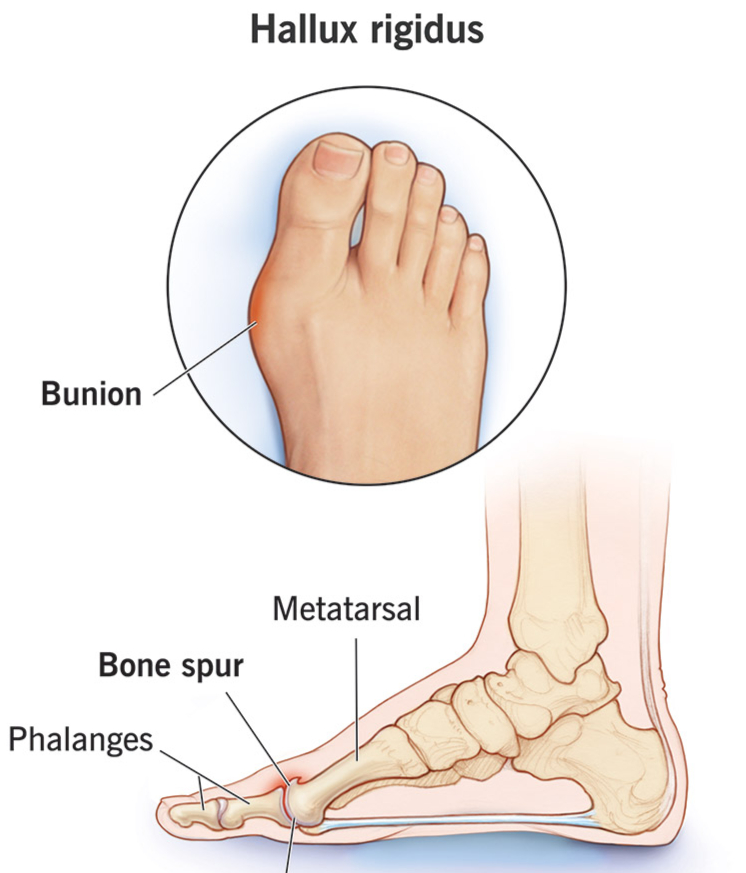
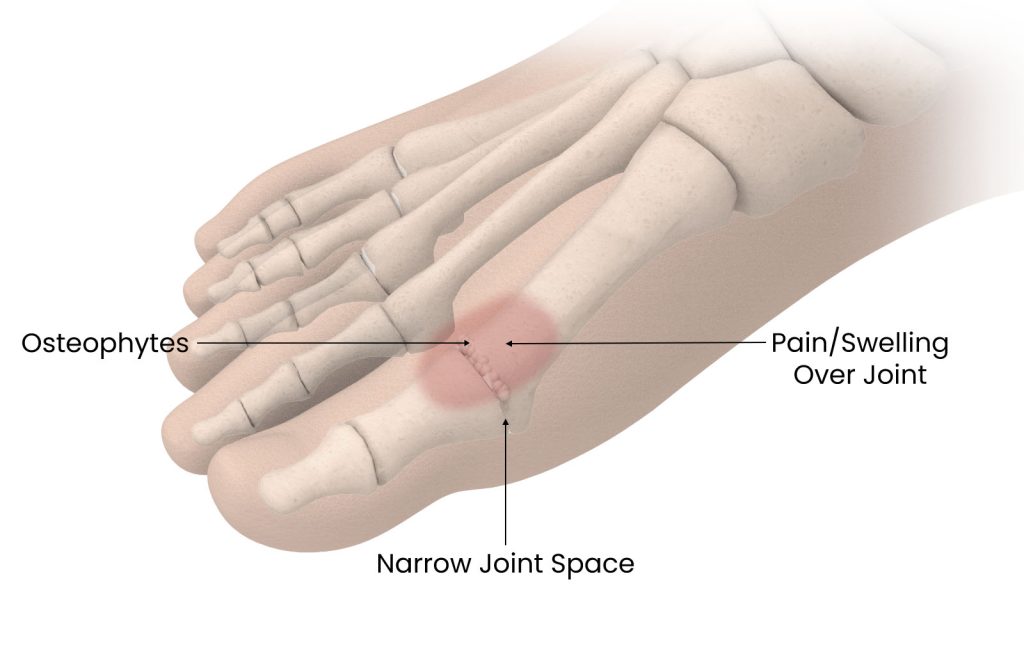
2. Hallux Rigidus
Hallux rigidus is a form of arthritis affecting the big toe joint. It causes stiffness, swelling, and pain, particularly during movement. Over time, bending the toe upward becomes difficult.
Many people with hallux rigidus experience worsening pain while climbing stairs, walking, or wearing tight shoes.
3. Gout
Gout is a painful inflammatory condition caused by uric acid crystal buildup inside the joint. It often affects the big toe suddenly and may cause intense pain, redness, and swelling.
Attacks frequently occur at night and can make even light pressure unbearable.
4. Toe Injuries
Stubbing the toe, fractures, sprains, or sports injuries can damage the toe joints. Repeated stress from running or jumping may also contribute to long-term joint pain.
5. Poor Footwear
Tight shoes, high heels, or footwear lacking support can place excessive pressure on the toes. Over time, this stress may lead to inflammation and pain in the joints.
6. Bunions
A bunion forms when the big toe shifts toward the smaller toes, creating a bony bump near the joint. Bunions can cause pain, swelling, and restricted movement.
Why Big Toe Joint Pain Is So Common
The big toe plays a major role in balance and movement. Every step places pressure on the joint, making it more likely to develop wear and tear.
People who spend long hours standing, athletes, runners, and older adults are at greater risk of developing big toe joint pain. Conditions such as obesity, arthritis, and improper footwear can further increase the strain on the joint.
Risk Factors for Toe Joint Pain
Several factors may increase the risk of developing toe joint issues:
- Aging
- Obesity
- Wearing tight shoes
- Sports activities
- Family history of arthritis
- Flat feet or abnormal foot structure
- Diabetes
- Inflammatory diseases
- Previous foot injuries
Understanding these risk factors can help prevent future complications.
How Toe Joint Pain Is Diagnosed
A healthcare provider or physiotherapist usually begins with a physical examination. They may evaluate:
- Range of motion
- Swelling
- Joint stiffness
- Walking pattern
- Tenderness
In some cases, imaging tests such as X-rays, ultrasound, or MRI scans may be recommended to identify arthritis, fractures, or joint damage.
Blood tests may also help diagnose gout or inflammatory conditions.
Best Treatments for Toe Joint Pain
Treatment depends on the cause and severity of symptoms. Most people improve with conservative care.
Rest and Activity Modification
Reducing activities that stress the toe joint can help decrease inflammation and pain. Avoid running or prolonged standing during flare-ups.
Ice Therapy
Applying ice packs for 15–20 minutes several times daily may reduce swelling and discomfort.
Proper Footwear
Shoes with a wide toe box and good arch support reduce pressure on the joints. Avoid high heels and tight-fitting shoes.
Physiotherapy
Physiotherapy is highly effective for improving joint mobility, reducing stiffness, and strengthening foot muscles.
Treatment may include:
- Stretching exercises
- Joint mobilization
- Balance training
- Gait correction
- Strengthening exercises
- Manual therapy
At Pain Relief Physio, personalized therapy plans help patients recover safely and improve mobility naturally.
Pain Relief Medications
Over-the-counter anti-inflammatory medications may help reduce pain and swelling temporarily.
Always consult a healthcare professional before prolonged use.
Orthotics
Custom shoe inserts help distribute pressure evenly across the foot and reduce stress on the toe joints.
Corticosteroid Injections
For severe inflammation, doctors may recommend injections to reduce swelling and improve movement.
Surgery
Surgery is usually considered only when conservative treatments fail. Procedures may include:
- Bone spur removal
- Joint realignment
- Joint fusion
- Joint replacement
Most patients improve without surgery.
Exercises for Toe Joint Pain Relief
Gentle exercises can improve flexibility and reduce stiffness.
Toe Stretch
Pull the toes gently upward and hold for 15 seconds.
Toe Curl Exercise
Place a towel on the floor and curl it using your toes.
Marble Pickup
Pick up small objects with your toes to strengthen foot muscles.
Big Toe Stretch
Move the big toe slowly upward and downward several times daily.
Regular exercises can improve circulation and maintain joint mobility.
How to Prevent Toe Joint Pain
Preventive care plays an important role in protecting the joints.
Helpful prevention tips include:
- Wear supportive footwear
- Maintain a healthy weight
- Stretch regularly
- Avoid repetitive toe stress
- Rest after intense activity
- Treat foot injuries early
- Use proper walking posture
Early intervention can help prevent long-term stiffness and chronic pain.
When Should You See a Doctor?
Seek medical attention if you experience:
- Severe swelling
- Difficulty walking
- Persistent pain lasting weeks
- Fever with toe pain
- Sudden intense pain
- Joint deformity
- Numbness or tingling
Ignoring symptoms may lead to worsening joint damage.
Living With Toe Joint Pain
Managing toe pain often requires lifestyle adjustments and consistent care. Many individuals successfully control symptoms through physiotherapy, supportive footwear, exercise, and maintaining joint flexibility.
Early diagnosis and treatment are important for preventing mobility problems and improving quality of life.
At Pain Relief Physio, we focus on personalized rehabilitation programs designed to reduce pain naturally and restore movement safely.
Conclusion
Toe joint pain can interfere with daily life, especially when it affects the big toe joint. Whether the discomfort comes from arthritis, injury, gout, or overuse, proper treatment can help reduce pain and improve mobility.
Ignoring symptoms may lead to worsening stiffness and long-term joint damage. Fortunately, early care, physiotherapy, supportive footwear, and targeted exercises can provide effective relief for most people.
If you are experiencing persistent toe discomfort or big toe joint pain, professional assessment and treatment can help you regain comfort and mobility.
FAQs About Toe Joint Pain
What is the main cause of toe joint pain?
Common causes include arthritis, gout, injuries, bunions, and overuse of the toe joints.
Why does my big toe joint hurt when walking?
Big toe joint pain during walking often occurs because of arthritis, inflammation, or pressure placed on the joint during movement.
Can physiotherapy help toe joint pain?
Yes, physiotherapy improves mobility, strengthens foot muscles, reduces stiffness, and helps relieve pain naturally.
Is big toe joint pain a sign of arthritis?
In many cases, yes. Osteoarthritis and hallux rigidus commonly affect the big toe joint.
What shoes are best for toe joint pain?
Supportive shoes with a wide toe box and cushioned soles help reduce pressure on painful joints.
Can toe joint pain go away on its own?
Mild pain from temporary strain may improve with rest, but persistent pain should be evaluated by a healthcare professional.
When should I worry about toe joint pain?
Seek medical care if the pain becomes severe, causes swelling, affects walking, or lasts for several weeks.
Are exercises good for big toe joint pain?
Yes, gentle stretching and strengthening exercises can improve flexibility and reduce stiffness.