Muscle cramps are a common issue that affects people of all ages and activity levels. These sudden, involuntary contractions can be painful and sometimes disrupt daily life or sleep. While most muscle cramps are harmless, understanding the causes of muscle cramps and how to prevent or treat them is essential for maintaining muscle health and overall comfort. In this guide, we’ll explore everything from what muscle cramps are to prevention strategies, home remedies, medical treatments, and frequently asked questions.
What Are Muscle Cramps?
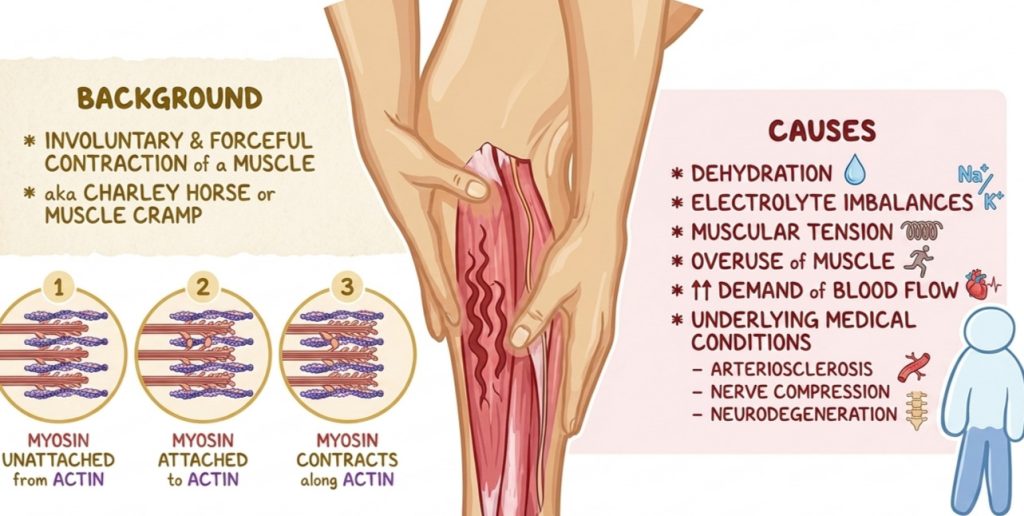
Muscle cramps, also referred to as muscle spasms, occur when a muscle involuntarily contracts and cannot relax immediately. They can involve a small portion of the muscle or the entire muscle group, causing temporary stiffness or sharp pain. Although cramps are typically brief, lasting from a few seconds to 15 minutes, severe cramps may leave lingering discomfort for hours or even a day.
Muscle cramps can occur in virtually any part of the body, but some areas are more commonly affected:
- Legs (calves, thighs, and feet)
- Arms (biceps, triceps, forearms)
- Back
- Neck
- Abdomen
- Chest
They can happen at rest, during exercise, or even while sleeping. Because they are sudden and involuntary, muscle cramps can catch you off guard, but there are strategies to manage and prevent them effectively.
Who Gets Muscle Cramps?
Muscle cramps are common and can affect anyone, but certain groups are more prone:
- Athletes: High-intensity exercise can trigger cramps due to fatigue and electrolyte imbalances.
- Older adults: Age-related muscle changes make cramps more frequent.
- Pregnant women: Hormonal changes and increased pressure on muscles can lead to cramps, especially in the legs.
- Infants and children: Rapid growth and activity can cause occasional muscle cramps.
- People with obesity: Extra weight increases pressure on muscles, particularly in the lower body.
Even people who are otherwise healthy can experience cramps during periods of physical exertion, dehydration, or electrolyte imbalance.
Symptoms of Muscle Cramps
Muscle cramps vary in intensity and presentation. Common symptoms include:
- Sudden, sharp pain in a muscle
- Muscle stiffness or hardening
- Visible muscle twitching or bulging
- Lingering soreness after a cramp subsides
- Temporary weakness in the affected area
If cramps are caused by underlying conditions, additional symptoms may appear, such as:
- Muscle weakness
- Numbness or tingling
- Coordination issues
- Fatigue
- Pain that persists beyond the cramp
Causes of Muscle Cramps
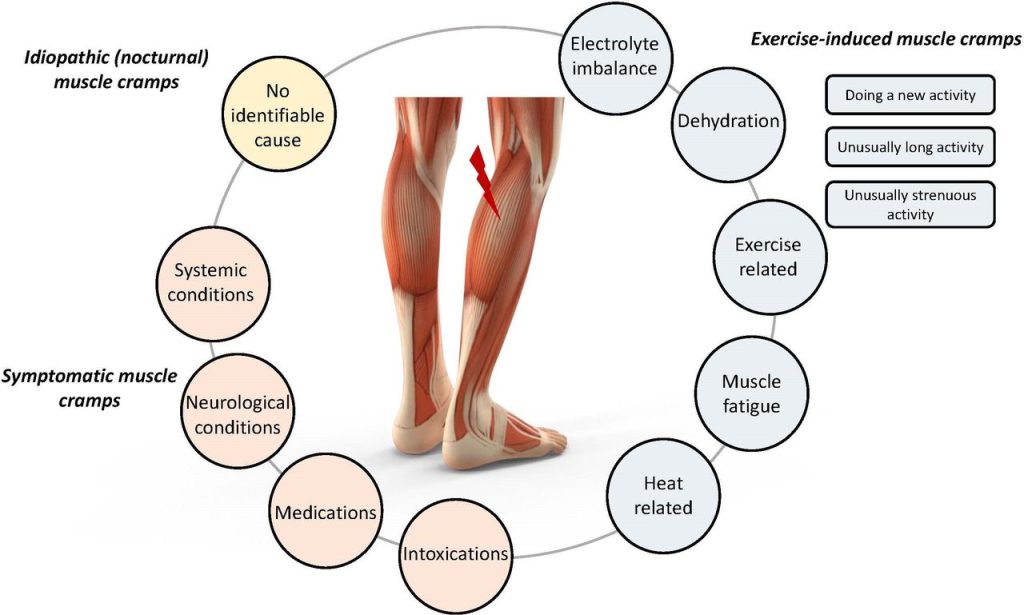
Understanding the causes of muscle cramps is key to managing them. While some triggers are straightforward, others are more complex:
1. Dehydration
One of the most common causes of cramps is dehydration. Muscles need water to contract and relax properly. When you’re dehydrated, your muscles may contract uncontrollably, resulting in cramps.
2. Electrolyte Imbalance
Electrolytes like sodium, potassium, calcium, and magnesium are essential for muscle function. Imbalances can lead to involuntary contractions. For example:
- Low potassium can cause leg cramps.
- Low magnesium can trigger nocturnal cramps.
- Low calcium can result in frequent spasms.
3. Muscle Overuse or Fatigue
Excessive exercise, prolonged standing, or repetitive motions can strain muscles, making them more prone to cramps. Heat cramps often occur when exercising in high temperatures.
4. Poor Blood Flow
Restricted circulation, often caused by sitting or standing for long periods, can contribute to cramps. This is why nighttime leg cramps are common among people who sit at a desk all day.
5. Medications and Medical Conditions
Certain medications, such as diuretics, statins, or beta-agonists, can increase the risk of muscle cramps. Chronic conditions like diabetes, thyroid disorders, or nerve disorders may also contribute.
6. Pregnancy
Pregnant women often experience leg cramps, especially during the second and third trimesters, due to changes in blood circulation, hormone levels, and pressure on leg muscles.
Common Types of Muscle Cramps
Different muscles may experience spasms in distinct ways. Here are some of the most frequent types:
- Leg cramps: Often called “charley horses,” these affect the calves, thighs, or feet.
- Back spasms: Can result from poor posture or lifting heavy objects.
- Arm cramps: May occur from repetitive motions or intense workouts.
- Neck cramps: Often caused by tension, poor sleeping positions, or stress.
- Abdominal cramps: Can appear during exercise or due to digestive issues.
- Chest cramps: Sometimes caused by muscle strain but should be evaluated for heart-related issues.
How to Relieve Muscle Cramps
While muscle cramps cannot always be predicted, there are ways to relieve them quickly:
1. Stretching
Gently stretch the affected muscle to encourage relaxation. For example, if your calf cramps, try pulling your toes toward your head while keeping your leg straight.
2. Massage
Massaging the cramped area improves circulation and helps muscles relax. Foam rollers or massage balls can be effective tools.
3. Heat and Cold Therapy
- Heat: Helps relax tight muscles. Use a heating pad or warm towel.
- Cold: Reduces pain and inflammation after intense cramping. Apply an ice pack for 10–15 minutes.
4. Hydration and Electrolytes
Drinking water and replenishing electrolytes can help prevent further cramps, especially during or after exercise.
5. Over-the-Counter Pain Relief
OTC medications like ibuprofen or acetaminophen may reduce pain from lingering soreness.
6. Prescription Muscle Relaxers
For severe or chronic cramps, a healthcare provider may prescribe muscle relaxants. These can reduce spasms but may cause side effects like drowsiness, dizziness, or nausea.
Prevention of Muscle Cramps
Preventing cramps is often easier than treating them. Here are strategies to reduce your risk:
- Stay hydrated throughout the day.
- Eat a balanced diet rich in calcium, potassium, and magnesium.
- Stretch daily, especially before exercise or sleep.
- Avoid prolonged periods of sitting or standing without movement.
- Wear properly fitting shoes to support muscle alignment.
- Gradually increase exercise intensity to avoid overuse.
- Use pillows to keep legs in a comfortable position during sleep.
When to See a Healthcare Provider
Most muscle cramps are benign, but consult a doctor if you experience:
- Severe or frequent cramps
- Persistent muscle weakness or numbness
- Swelling or skin changes in the affected area
- Pain that disrupts daily activities or sleep
- Cramps after exposure to toxins or medications
Emergency care may be necessary if cramps are accompanied by chest pain, shortness of breath, or occur throughout the body.
FAQs About Muscle Cramps
Q: What deficiency causes muscle cramps?
A: Low levels of calcium, magnesium, potassium, and vitamin D can contribute to cramps. Supplements may help if advised by a doctor.
Q: Are muscle cramps dangerous?
A: Most cramps are harmless. Chronic or severe cramps may signal an underlying condition like nerve disorders, thyroid issues, or electrolyte imbalances.
Q: How long do muscle cramps last?
A: They usually last from seconds to 15 minutes. Severe cramps may leave soreness for up to a day.
Q: Can exercise prevent muscle cramps?
A: Yes, regular stretching, strengthening, and proper hydration help reduce the frequency of cramps.
Q: When should I see a doctor for muscle cramps?
A: Seek medical advice for frequent, severe, or long-lasting cramps, especially if accompanied by swelling, numbness, or weakness.
Living With Muscle Cramps
While muscle cramps are unpredictable, lifestyle changes can minimize their impact. Staying active, maintaining proper hydration, and addressing nutritional deficiencies are key. Many people find that simple habits, such as stretching before bed or during exercise, dramatically reduce cramps.
For individuals prone to nighttime leg cramps, adjusting sleeping positions and loosening bedding can prevent discomfort. Over time, these preventive strategies can improve muscle comfort, flexibility, and overall quality of life.
Conclusion
Muscle cramps may be sudden, painful, and frustrating, but they are usually manageable. Understanding the causes of muscle cramps, implementing preventive measures, and knowing how to relieve them can significantly reduce their impact. While most cramps are harmless, persistent or severe cases should be evaluated by a healthcare provider to rule out underlying conditions. With proper care, you can enjoy an active lifestyle without being constantly interrupted by painful muscle spasms.