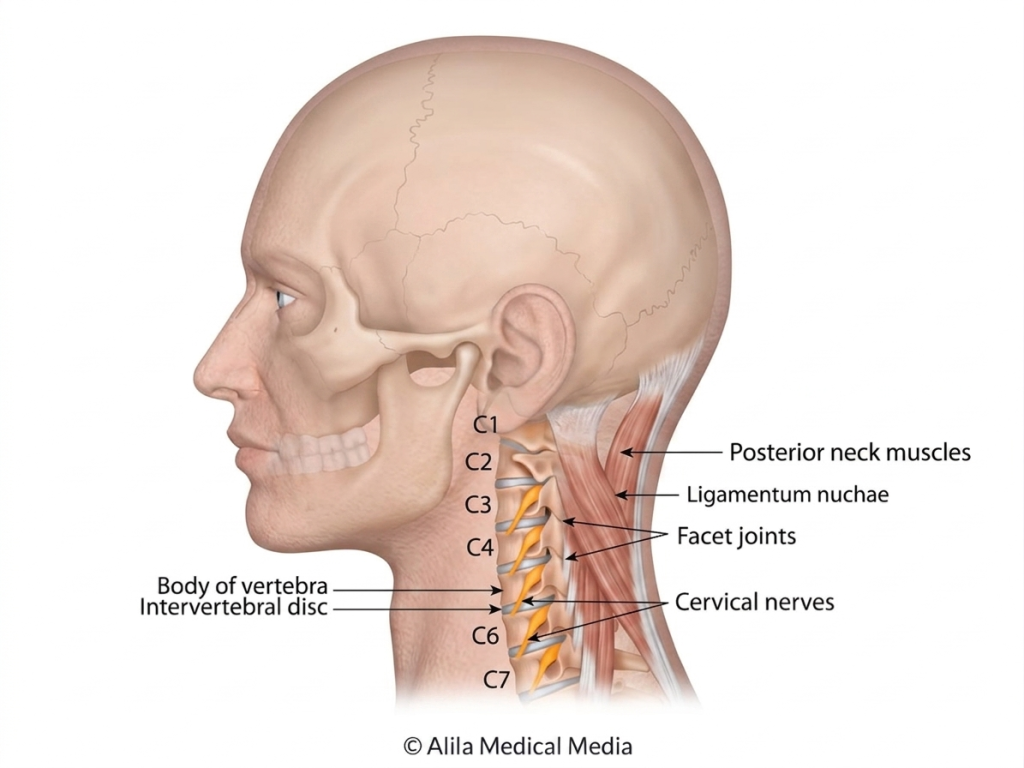
Cervical spine pain, often called neck pain, affects millions of people worldwide. The cervical spine, consisting of seven vertebrae in the neck, supports the head and allows a wide range of motion. Pain in this area can range from mild stiffness to sharp, radiating discomfort that interferes with daily life. Understanding its causes, symptoms, and effective therapy options is essential for relief and long-term neck health.
Cervical Spine Pain Causes and Symptoms
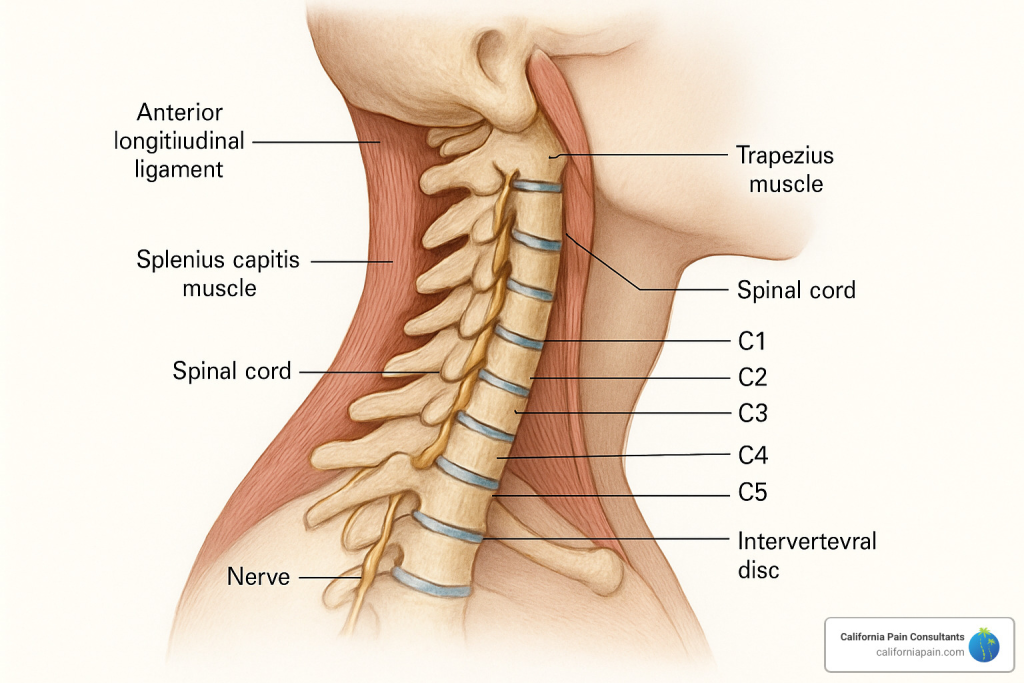
Cervical spine pain can result from a variety of factors. Cervical spondylosis, a degenerative condition associated with aging, can cause stiffness and reduced mobility. Herniated cervical discs occur when the soft inner material of a disc pushes out, irritating nearby nerves and causing pain, tingling, or numbness in the shoulders, arms, or hands.
Cervical radiculopathy, where a nerve is compressed, can produce sharp pain or weakness in the upper limbs. Muscle strains from poor posture, overuse, or sudden movements are also common, especially in individuals who spend long hours at desks or on electronic devices. Traumatic injuries like whiplash and degenerative changes, including thinning discs and bone spurs, can lead to persistent neck pain.
Symptoms of cervical spine pain vary depending on the cause but often include stiffness, sharp or radiating pain, tingling, numbness, headaches, and reduced neck mobility. Recognizing these signs early is key to preventing chronic issues.
Therapy Options
Managing cervical spine pain usually involves a combination of approaches. Physical therapy is highly effective and focuses on exercises that improve neck mobility, strengthen supporting muscles, and reduce stiffness. Exercises such as neck stretches, shoulder blade squeezes, chin tucks, and gentle resistance training can significantly aid recovery when done consistently.
Medications like acetaminophen or NSAIDs may help reduce pain and inflammation. In more severe cases, doctors may prescribe muscle relaxants or corticosteroids. Cervical traction therapy, which gently stretches the neck, can relieve nerve compression caused by herniated discs or radiculopathy. Temporary use of cervical collars or braces can support healing, but prolonged use is discouraged as it can weaken neck muscles.
Lifestyle adjustments are equally important. Maintaining proper posture, using ergonomic furniture, and taking regular movement breaks can prevent strain and promote healing. Supportive sleeping positions and pillows, staying hydrated, and engaging in exercises like yoga or swimming can improve flexibility, strength, and overall spinal health.
Complementary therapies such as massage, chiropractic adjustments, and acupuncture can enhance conventional treatment. Massage relaxes tight muscles and improves circulation, chiropractic care restores spinal alignment, and acupuncture may stimulate natural pain-relieving chemicals in the body.
FAQs About Cervical Spine Pain
1. What causes cervical spine pain?
Cervical spine pain can be caused by degenerative conditions like cervical spondylosis, herniated discs, nerve compression (radiculopathy), muscle strains, whiplash injuries, or poor posture. Age, repetitive stress, and trauma are common contributing factors.
2. What are the common symptoms?
Symptoms include neck stiffness, sharp or radiating pain, tingling or numbness in the arms or hands, muscle weakness, headaches, and reduced neck mobility. The exact symptoms often depend on the underlying cause.
3. How is cervical spine pain treated?
Treatment usually involves a combination of physical therapy, exercises, medications, traction therapy, and, in some cases, cervical collars. Lifestyle adjustments, ergonomic improvements, and complementary therapies like massage or acupuncture can enhance recovery.
4. Can exercises help with neck pain?
Yes. Neck stretches, shoulder blade squeezes, chin tucks, resistance band exercises, and posture correction routines strengthen neck muscles, improve flexibility, and reduce stiffness. Consistency is key.
5. When should I see a doctor?
Seek medical attention if pain is severe, persistent, or accompanied by numbness, weakness, loss of bladder or bowel control, or headaches following trauma. Early intervention ensures proper diagnosis and reduces long-term complications.
6. How can I prevent cervical spine pain?
Maintain good posture, take frequent movement breaks, use ergonomic furniture, practice supportive sleeping positions, engage in regular neck and shoulder exercises, and avoid heavy lifting with poor technique.
7. Are alternative therapies effective?
Complementary therapies like massage, chiropractic care, acupuncture, and gentle yoga can provide relief and support recovery when used alongside conventional treatments.
8. Is cervical spine pain permanent?
Most cases of cervical spine pain are temporary and can be managed effectively with therapy, exercises, and lifestyle adjustments. Chronic or untreated pain may persist, which is why early care is important.
Conclusion
Cervical spine pain is a common but manageable condition. By understanding its causes, recognizing symptoms, and implementing effective therapies—including physical exercises, lifestyle adjustments, and complementary approaches—individuals can reduce pain, improve mobility, and maintain spinal health. Consistency, awareness, and professional guidance are essential for lasting relief and preventing future neck pain.