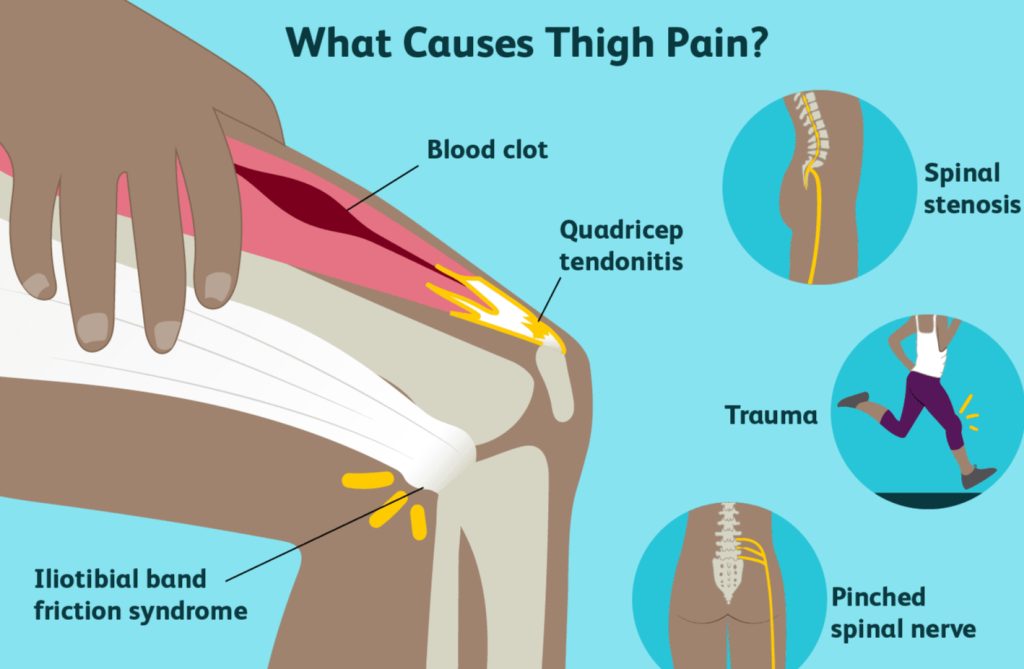
Thigh pain is a common problem that can affect people of all ages. It may start suddenly after physical activity or develop slowly over time because of muscle weakness, poor posture, or underlying health conditions. Some people feel mild discomfort, while others experience severe pain that affects walking, standing, or daily activities.
The thigh contains strong muscles, nerves, tendons, and blood vessels that help support movement. Because this area handles a lot of pressure during daily activities, it can easily become strained or injured. In many cases, thigh pain improves with rest and proper care, but persistent or severe pain may require medical attention.
Upper thigh pain can occur in the front, back, inside, or outside of the thigh. Understanding the cause is important because treatment depends on the underlying issue.
What Is Thigh Pain?
Thigh pain refers to discomfort felt anywhere between the hip and the knee. The pain may feel sharp, dull, burning, aching, or cramping depending on the cause. Some people experience pain only during movement, while others may feel constant discomfort even at rest.
The condition may affect one thigh or both thighs at the same time. In some cases, the pain spreads from nearby areas such as the hips, lower back, or knees.
Common Causes of Thigh Pain
Muscle Strain and Sprain
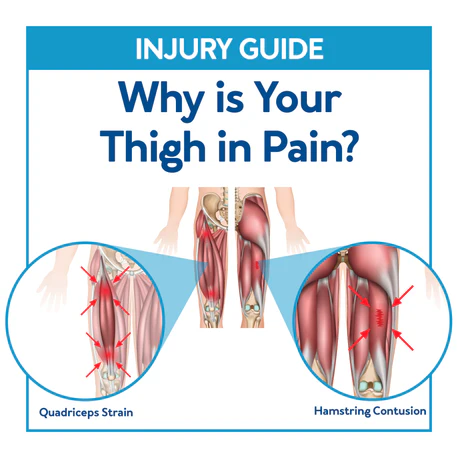
One of the most common causes of thigh pain is muscle strain. This usually happens during sports, exercise, heavy lifting, or sudden movement. Overstretching the muscles can cause small tears that lead to pain and swelling.
Symptoms may include:
- Sudden sharp pain
- Muscle tightness
- Difficulty walking
- Swelling or tenderness
- Weakness in the leg
Athletes and active individuals are more likely to experience thigh muscle strains.
Upper Thigh Pain From Overuse
Repetitive movements such as running, cycling, climbing stairs, or intense workouts can overwork the thigh muscles. This type of upper thigh pain often develops gradually and becomes worse with activity.
Without enough rest, the muscles remain irritated and inflamed. Proper stretching and recovery are important to prevent overuse injuries.
Nerve Compression
Sometimes thigh pain is related to irritated or compressed nerves. Nerve-related pain may feel burning, tingling, numb, or shooting.
A condition called meralgia paresthetica occurs when a nerve near the upper thigh becomes compressed. Tight clothing, obesity, prolonged sitting, or pregnancy may increase the risk.
Symptoms include:
- Burning sensation in the outer thigh
- Tingling or numbness
- Sensitivity to touch
- Sharp upper thigh pain
Sedentary Lifestyle
Sitting for long hours can weaken the muscles and place pressure on the hips and thighs. Many office workers and people with inactive lifestyles develop muscle stiffness and discomfort due to poor circulation and weak muscles.
Lack of movement can also reduce flexibility, making the thighs more vulnerable to injury.
Hip or Lower Back Problems
Pain from the lower back or hips can travel into the thighs. Conditions such as sciatica, herniated discs, or hip joint inflammation often cause radiating pain.
People may also notice:
- Lower back stiffness
- Pain traveling down the leg
- Weakness or numbness
- Difficulty standing for long periods
Arthritis
Arthritis affects the joints and can lead to upper thigh pain, especially near the hip joint. Osteoarthritis becomes more common with age and may cause stiffness and reduced mobility.
Symptoms often include:
- Joint stiffness
- Pain during movement
- Reduced range of motion
- Swelling around the joint
Blood Clots
In rare cases, thigh pain may be linked to a blood clot known as deep vein thrombosis (DVT). This is a serious condition that requires immediate medical attention.
Warning signs include:
- Swelling in one leg
- Warm skin
- Redness
- Severe pain
- Difficulty breathing
Seek emergency care if these symptoms appear suddenly.
Symptoms Associated With Upper Thigh Pain
Upper thigh pain can appear differently depending on the cause. Some common symptoms include:
- Muscle cramps
- Swelling
- Tingling sensations
- Burning pain
- Weakness
- Difficulty walking
- Tenderness
- Stiffness
- Numbness
Pain may occur during movement, exercise, or even while resting.
Risk Factors for Thigh Pain
Several factors can increase the chances of developing thigh pain:
- Sports injuries
- Lack of physical activity
- Obesity
- Poor posture
- Diabetes
- Arthritis
- Smoking
- Repetitive leg movements
- Previous muscle injuries
Maintaining a healthy lifestyle can help lower the risk.
How Thigh Pain Is Diagnosed
Doctors usually begin with a physical examination and medical history. They may ask about recent injuries, exercise habits, and symptoms.
In some cases, additional tests may include:
- X-rays
- MRI scans
- Ultrasound
- Blood tests
- Nerve studies
These tests help identify muscle damage, nerve problems, arthritis, or circulation issues.
Treatment Options for Thigh Pain
Rest and Ice Therapy
For mild muscle injuries, resting the leg and applying ice can reduce swelling and discomfort. Ice should be applied for 15–20 minutes several times a day.
Physiotherapy
Physiotherapy is one of the most effective treatments for thigh pain. A physiotherapist may recommend exercises to improve flexibility, strengthen muscles, and restore movement.
Stretching and strengthening exercises can reduce pressure on the muscles and help prevent future injuries.
Pain Relief Medication
Over-the-counter pain relievers may help reduce inflammation and discomfort. However, medications should only be used as directed.
Gentle Exercise
Light movement improves blood flow and prevents stiffness. Walking, stretching, and low-impact exercises are often beneficial during recovery.
Lifestyle Changes
Improving posture, maintaining a healthy weight, and staying active can help reduce recurring upper thigh pain.
Medical Treatment
If the pain is caused by arthritis, nerve damage, or blood clots, medical treatment may be necessary. Severe conditions should always be evaluated by a healthcare professional.
Exercises That May Help Relieve Thigh Pain
Simple exercises may improve flexibility and muscle strength.
Hamstring Stretch
This stretch helps reduce tightness in the back of the thigh.
Quadriceps Stretch
Stretching the front thigh muscles can improve mobility and reduce stiffness.
Hip Bridges
Hip bridge exercises strengthen the hips and upper legs.
Gentle Walking
Walking increases circulation and helps maintain flexibility without excessive strain.
Avoid exercises that worsen pain.
Tips to Prevent Thigh Pain
Preventing thigh pain is often possible with healthy habits.
- Warm up before exercise
- Stretch regularly
- Stay physically active
- Avoid sitting for long periods
- Maintain proper posture
- Wear supportive footwear
- Increase exercise intensity gradually
- Stay hydrated
These simple steps help protect muscles and joints.
When to See a Doctor
You should seek medical attention if:
- The pain is severe
- Swelling suddenly appears
- Walking becomes difficult
- Pain lasts more than a few weeks
- Numbness or weakness develops
- There are signs of infection
- You suspect a blood clot
Early diagnosis can prevent complications and speed up recovery.
FAQs About Thigh Pain
What causes thigh pain without injury?
Thigh pain without injury may occur because of nerve compression, arthritis, muscle weakness, poor circulation, or prolonged sitting.
Is upper thigh pain serious?
Most cases are not serious and improve with rest and physiotherapy. However, severe swelling, redness, or sudden pain may require urgent medical attention.
Can sitting too long cause thigh pain?
Yes, prolonged sitting can weaken muscles, reduce circulation, and place pressure on the nerves and joints, leading to discomfort.
How long does thigh muscle pain last?
Mild muscle strains usually improve within a few days to two weeks. Severe injuries may take longer depending on the extent of the damage.
What is the best treatment for upper thigh pain?
Treatment depends on the cause but may include rest, ice therapy, physiotherapy, stretching, and lifestyle changes.
Can dehydration cause thigh pain?
Yes, dehydration may contribute to muscle cramps and tightness in the thighs.
Should I exercise with thigh pain?
Light stretching and gentle movement may help, but intense exercise should be avoided until the pain improves.
Final Thoughts
Thigh pain can affect movement, daily activities, and overall comfort. In many cases, the pain develops because of muscle strain, overuse, poor posture, or nerve irritation. Upper thigh pain may also be linked to underlying conditions such as arthritis or circulation problems.
Most mild cases improve with rest, stretching, and physiotherapy. However, severe or persistent pain should never be ignored. Identifying the cause early can help prevent complications and support faster recovery.
Maintaining an active lifestyle, strengthening the muscles, and practicing proper body mechanics are some of the best ways to reduce the risk of future thigh pain.