Hip joint pain is a common problem that can affect people of all ages. The hip joint supports the body’s weight and helps with movements like walking, running, sitting, and bending. Because this joint is used constantly throughout the day, even a small problem can cause discomfort and stiffness. Some people feel mild pain that comes and goes, while others experience severe pain that affects daily activities and sleep.
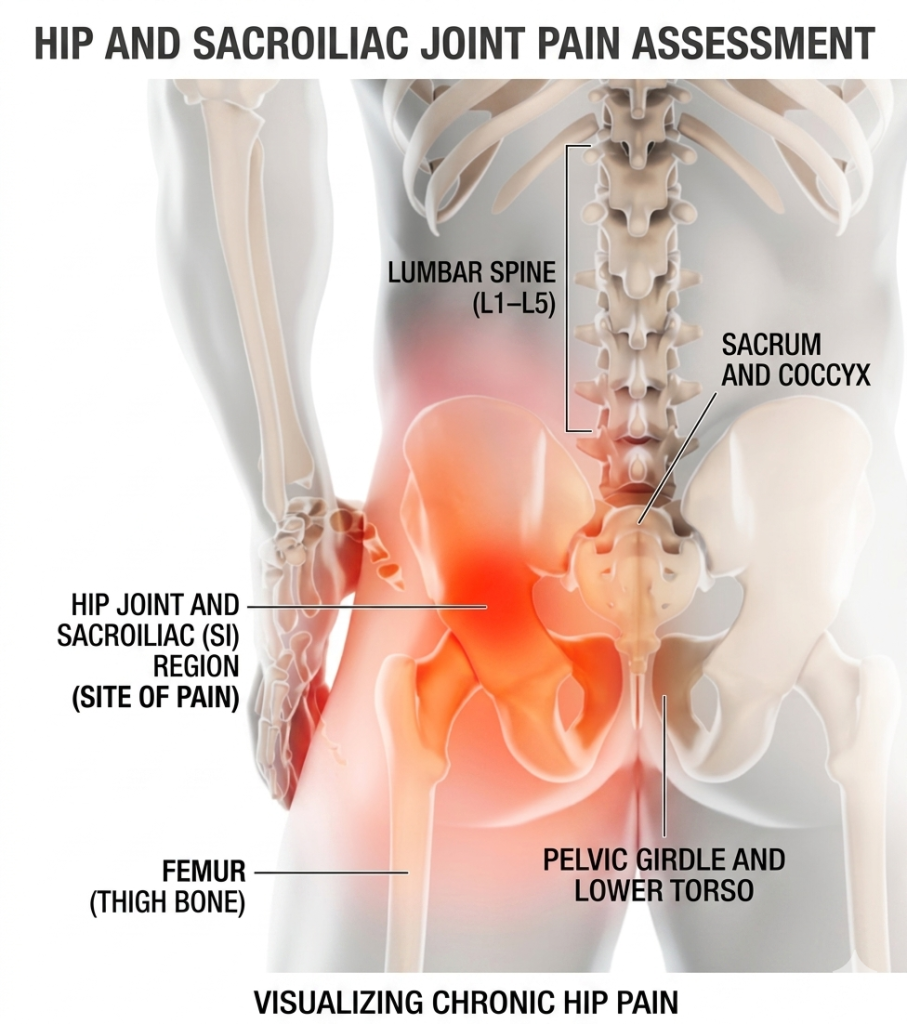
Hip joint pain may develop suddenly after an injury or gradually over time because of arthritis, muscle strain, or overuse. The pain can occur inside the hip joint, on the outer side of the hip, or even spread to the groin, thigh, lower back, or buttocks. In many cases, the condition improves with rest and simple home care, but persistent pain may require medical treatment.
What Is Hip Joint Pain?
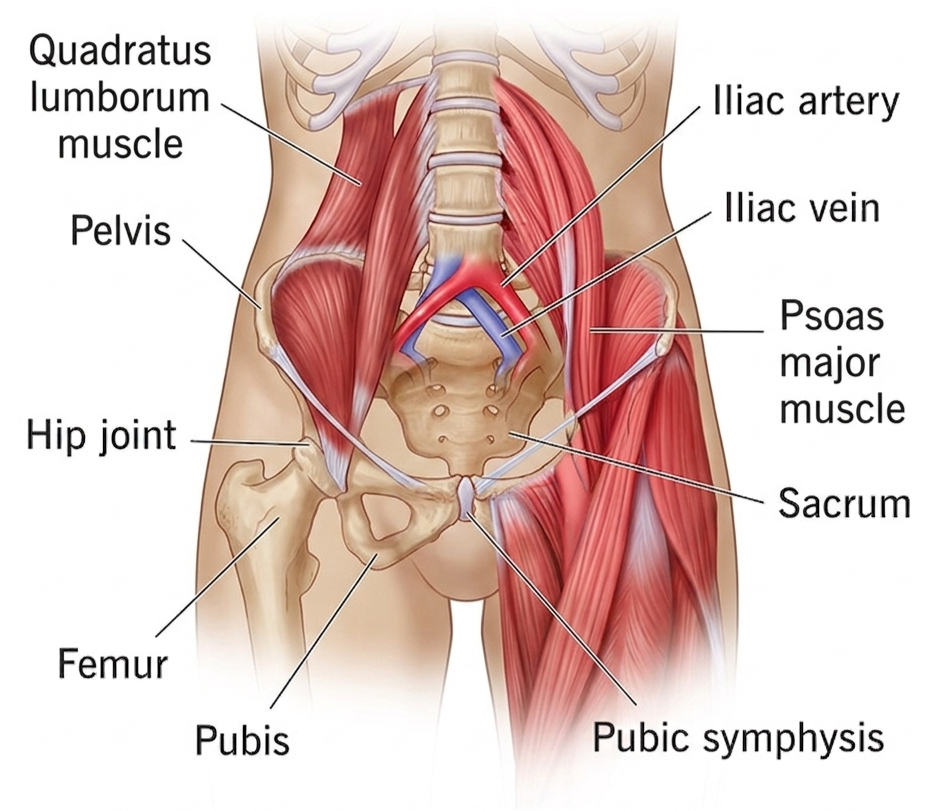
The hip joint is where the thigh bone connects to the pelvis. It is one of the largest joints in the human body and works like a ball-and-socket joint, allowing smooth movement in different directions. Hip joint pain refers to any discomfort felt in or around this area.
Some people notice sharp pain during movement, while others experience a dull ache throughout the day. The pain may worsen after physical activity, long periods of standing, or sitting in one position for too long. Morning stiffness and pain at night are also common symptoms.
Along with pain, many people experience swelling, reduced flexibility, limping, or difficulty climbing stairs. In more severe cases, the hip may feel weak or unstable, making it hard to perform everyday tasks.
Causes of Hip Joint Pain
There are many possible causes of hip joint pain. One of the most common reasons is arthritis. Osteoarthritis occurs when the cartilage that cushions the hip joint gradually wears away. This causes the bones to rub together, leading to pain, stiffness, and inflammation. Rheumatoid arthritis can also affect the hips by causing the immune system to attack healthy joint tissue.
Hip bursitis is another common cause. Small fluid-filled sacs called bursae help reduce friction around the joints. When these bursae become inflamed, they cause pain and tenderness, especially on the outer side of the hip.
Muscle strains and tendon injuries are also responsible for many cases of hip pain. Athletes and active individuals often experience hip flexor strains or groin injuries from repetitive movement, overuse, or sudden twisting motions.
Hip joint pain can also result from injuries such as fractures, dislocations, or labral tears. A labral tear happens when the cartilage around the hip socket becomes damaged, causing clicking sensations, instability, and deep joint pain.
Sometimes pain develops because of structural problems within the hip joint. Conditions like hip impingement can cause abnormal friction inside the joint, leading to stiffness and reduced movement over time.
In some cases, the pain may not actually start in the hip. Problems in the lower back, including sciatica, can cause pain that radiates through the hips and legs.
Symptoms of Hip Joint Pain
Hip joint pain symptoms vary depending on the underlying cause. Some people only notice discomfort during movement, while others feel constant pain even during rest.
Common symptoms include:
- Pain in the hip, groin, thigh, or buttocks
- Stiffness and reduced flexibility
- Swelling or tenderness around the joint
- Difficulty walking or standing
- Limping
- Clicking or popping sensations
- Pain that worsens after activity
- Trouble sleeping on one side
- Weakness in the hip area
Some individuals feel sharp pain during exercise, while others experience a dull ache that slowly becomes worse over time.
Risk Factors
Several factors increase the risk of developing hip joint pain. Age is one of the biggest risk factors because joint cartilage naturally wears down over time. Excess body weight also puts additional pressure on the hips, increasing the likelihood of pain and arthritis.
People who play sports, run frequently, or perform repetitive physical activities may develop overuse injuries. Weak muscles, poor posture, and previous hip injuries can also contribute to ongoing discomfort.
A sedentary lifestyle may worsen hip stiffness and reduce flexibility, making movement more painful.
Diagnosis
Doctors usually diagnose hip joint pain by asking about symptoms, medical history, and physical activity levels. During a physical examination, they check movement, flexibility, swelling, and pain levels.
Imaging tests such as X-rays or MRI scans may be used to identify arthritis, fractures, cartilage damage, or soft tissue injuries. In some cases, blood tests are ordered to detect inflammatory conditions like rheumatoid arthritis.
Proper diagnosis is important because treatment depends on the exact cause of the pain.
Treatment for Hip Joint Pain
Treatment for hip joint pain depends on the severity of symptoms and the underlying condition. Many mild cases improve with home care and lifestyle changes.
Rest is often the first step. Reducing activities that worsen the pain gives the joint time to heal. Applying ice packs can help reduce swelling and inflammation, especially after an injury. Heat therapy may also help relax stiff muscles and improve circulation.
Over-the-counter medications such as ibuprofen, naproxen, or acetaminophen can provide temporary pain relief. However, these medications should not be used for long periods without medical advice.
Physical therapy is one of the most effective treatments for hip joint pain. A physical therapist can teach exercises that improve flexibility, strengthen supporting muscles, and increase joint stability. Stronger muscles reduce stress on the hip joint and help prevent future injuries.
Regular low-impact exercise is also beneficial. Walking, swimming, and cycling can improve movement without placing excessive stress on the hips.
Weight management plays an important role as well. Losing excess weight reduces pressure on the joints and may significantly decrease pain levels.
In more severe cases, doctors may recommend corticosteroid injections to reduce inflammation. If the joint is badly damaged and other treatments fail, surgery may be necessary. Hip replacement surgery is commonly performed for severe arthritis and can greatly improve mobility and quality of life.
Prevention Tips
Although not all cases of hip joint pain can be prevented, certain habits may reduce the risk.
Maintaining a healthy weight is one of the best ways to protect the hips. Regular stretching and exercise keep the muscles flexible and strong. Warming up before workouts and cooling down afterward also help prevent strains and injuries.
Good posture is important because poor body alignment places extra stress on the hips and lower back. Wearing supportive shoes can also improve balance and reduce joint pressure.
Avoiding repetitive overuse and allowing the body enough recovery time after physical activity can prevent many hip-related problems.
When to See a Doctor
Medical attention is necessary if hip pain becomes severe, lasts longer than a few days, or interferes with daily activities. Sudden pain after a fall or accident should never be ignored.
Seek immediate medical care if you experience:
- Inability to walk
- Severe swelling
- Fever with joint pain
- Visible deformity
- Intense pain after injury
- Numbness or weakness in the leg
Early treatment can prevent complications and improve recovery.
Conclusion
Hip joint pain is a common condition that can affect mobility, comfort, and overall quality of life. It may result from arthritis, injuries, bursitis, muscle strain, or structural joint problems. While mild pain often improves with rest and home treatment, persistent or severe symptoms may require professional medical care.
Staying active, maintaining a healthy weight, and strengthening the muscles around the hips can help reduce pain and prevent future problems. Understanding the causes and symptoms of hip joint pain allows individuals to seek the right treatment early and maintain a healthy, active lifestyle.
FAQs About Hip Joint Pain
What is the main cause of hip joint pain?
The most common cause is osteoarthritis, but injuries, bursitis, muscle strain, and structural issues can also cause hip pain.
Can hip joint pain heal naturally?
Mild cases caused by overuse or minor strain may improve with rest, exercise, and home care.
Is walking good for hip joint pain?
Yes, gentle walking can improve flexibility and strengthen the muscles supporting the hip joint.
How long does hip joint pain last?
The duration depends on the cause. Minor injuries may heal within weeks, while arthritis-related pain can become chronic.
When should I see a doctor for hip pain?
You should see a doctor if the pain is severe, persistent, affects walking, or occurs after an injury.
Can sitting too long cause hip pain?
Yes, prolonged sitting can tighten muscles and increase stiffness around the hips.
What exercises help hip joint pain?
Hip bridges, stretching exercises, clamshells, and low-impact activities like swimming can help reduce pain and improve mobility.
Can hip pain spread to other areas?
Yes, hip pain may radiate to the groin, thigh, lower back, or buttocks depending on the underlying cause.