Lower back pain is something many people deal with at different stages of life. It may begin after lifting something heavy, sitting for long hours, sleeping in the wrong position, or even because of stress. For some people the pain lasts only a few days, while others continue struggling with discomfort for weeks or months.
The lower back supports body movement throughout the day. Walking, bending, standing, climbing stairs, and carrying weight all depend on the muscles and joints in this area. Since the lower spine works constantly, it can easily become strained or irritated. Modern lifestyles also increase the problem. Long office hours, poor posture, lack of exercise, and excessive screen time place additional pressure on the back.
Women may experience pain differently due to hormonal changes, pregnancy, or menstrual cycles. Female lower back pain is very common and sometimes connected to conditions affecting the reproductive system. Understanding the reason behind the discomfort is important because treatment often depends on the exact cause.
Most cases of lower back pain improve with proper care, movement, physiotherapy, and healthy habits. However, ignoring the symptoms can sometimes lead to chronic pain and reduced mobility.
Understanding Lower Back Pain
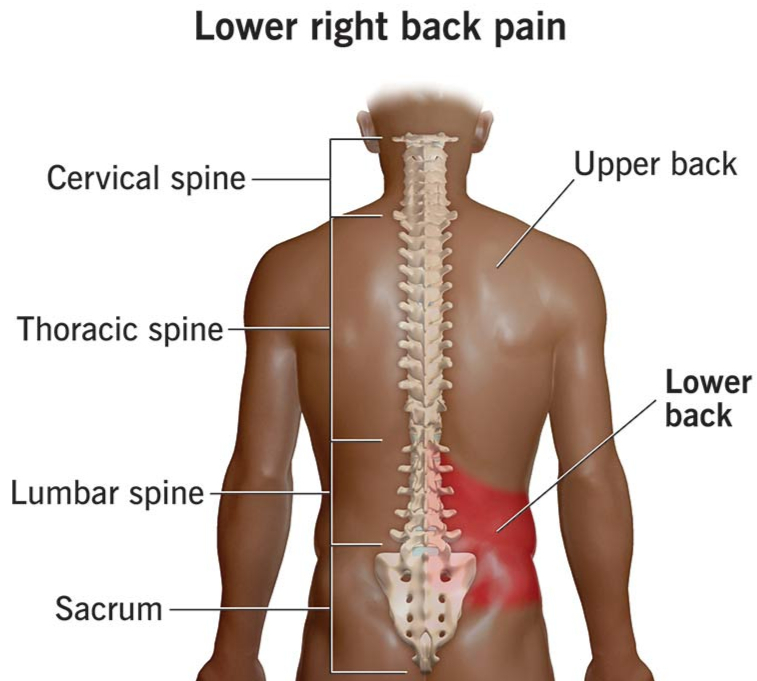
The lower back is known as the lumbar region of the spine. It is made up of bones, joints, muscles, ligaments, nerves, and soft tissues that work together to support the body.
When any of these structures become irritated or injured, pain may develop. The discomfort can be mild, moderate, or severe depending on the condition. Some people feel stiffness after waking up in the morning, while others notice pain after standing or sitting for long periods.
Lower back pain can affect daily activities such as:
- Walking
- Working
- Sleeping
- Exercising
- Driving
- Household chores
Because the spine plays such an important role in movement, even small problems can create noticeable discomfort.
Signs and Symptoms of Lower Back Pain
Symptoms are different for every person. Some feel a constant ache, while others experience sudden sharp pain during movement.
Common symptoms include:
- Tightness in the lower spine
- Pain while bending forward
- Difficulty standing straight
- Soreness after physical work
- Muscle spasms
- Burning sensation in the back
- Pain spreading into the hips
- Leg discomfort or tingling
- Stiffness after sitting too long
- Reduced flexibility
In some cases the pain may improve with rest, while in others it becomes worse after inactivity.
Everyday Causes of Lower Back Pain
Many daily habits can place pressure on the lower spine and lead to pain over time.
Incorrect Lifting
Lifting heavy objects without proper technique puts sudden stress on the muscles and joints of the lower back. Twisting the body while carrying weight can make the problem worse.
Sitting for Long Hours
Office workers and students often develop lower back pain because they remain seated for extended periods. Sitting weakens muscles and increases pressure on the spine.
Weak Body Muscles
The back depends on strong abdominal and hip muscles for support. Weak muscles force the spine to work harder, which can lead to strain.
Lack of Stretching
Tight muscles reduce flexibility and increase stiffness in the lower back. Regular stretching keeps the spine mobile and balanced.
Poor Sleeping Position
Sleeping on an unsupportive mattress or in awkward positions can place stress on the lower back during the night.
Sudden Movements
Quick twisting, bending, or awkward movement may injure muscles or ligaments in the lower spine.
Medical Conditions That Cause Lower Back Pain
Sometimes pain develops because of underlying medical conditions rather than lifestyle habits.
Disc Problems
Spinal discs act as cushions between the bones of the spine. A damaged or bulging disc may press against nearby nerves and create pain.
Sciatic Nerve Irritation
When the sciatic nerve becomes compressed, pain may travel from the lower back down into the leg. This condition is called sciatica.
Arthritis
Joint inflammation caused by arthritis can lead to stiffness and discomfort in the spine, especially in older adults.
Spinal Narrowing
A narrow spinal canal can put pressure on nerves and create pain while walking or standing.
Bone Weakness
Conditions such as osteoporosis weaken bones and increase the chance of spinal fractures.
Female Lower Back Pain and Women’s Health
Female lower back pain is common because women experience physical and hormonal changes throughout life that can affect the spine and pelvic muscles.
Pain During Menstruation
Many women notice aching in the lower back before or during periods. Hormones released during menstruation can trigger muscle contractions and inflammation.
Pregnancy-Related Pain
As pregnancy progresses, body weight increases and posture changes. This places extra stress on the lower spine and surrounding muscles.
Back pain during pregnancy is especially common in the final months.
Pelvic Conditions
Conditions affecting the uterus or ovaries may sometimes create pain that spreads into the lower back.
Examples include:
- Endometriosis
- Fibroids
- Pelvic inflammation
Menopause
Hormonal changes after menopause may reduce bone strength and muscle support, increasing the risk of chronic lower back pain.
Who Is More Likely to Develop Lower Back Pain?
Certain factors increase the risk of experiencing back problems.
These include:
- Excess body weight
- Smoking
- Aging
- Physical labor
- Lack of exercise
- Stress
- Pregnancy
- Poor posture
- Long sitting hours
- Weak muscles
People who remain inactive for long periods often experience more stiffness and muscle weakness.
Diagnosing Lower Back Pain
Healthcare providers usually diagnose lower back pain by discussing symptoms and examining movement.
They may ask:
- When the pain started
- What movements increase pain
- Whether pain travels into the legs
- If previous injuries occurred
In some cases imaging tests are required.
Diagnostic Tests May Include:
- X-rays
- MRI scans
- CT scans
- Blood tests
- Nerve evaluations
These tests help identify injuries, inflammation, or nerve problems.
Natural Ways to Relieve Lower Back Pain
Many people recover without surgery through conservative treatment and healthy lifestyle changes.
Gentle Movement
Complete bed rest is usually not recommended for long periods. Light movement helps maintain flexibility and blood circulation.
Stretching Exercises
Simple stretching exercises relax tight muscles and improve mobility.
Regular stretching may reduce stiffness and support healing.
Heat Therapy
Warm compresses or heating pads relax muscles and increase circulation around painful areas.
Cold Therapy
Ice packs help reduce swelling after injury or sudden strain.
Correct Posture
Improving posture while sitting and standing reduces pressure on the spine.
Using supportive chairs can also help.
Healthy Body Weight
Excess body weight increases stress on spinal joints and muscles.
Weight management often reduces chronic pain.
Physiotherapy for Lower Back Pain
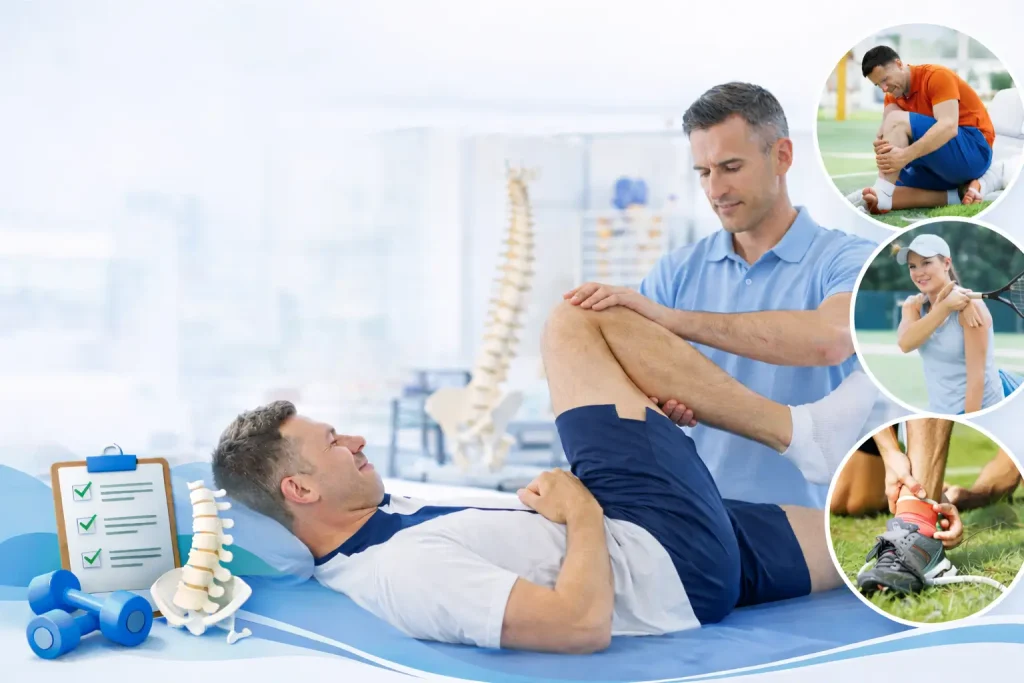
Physiotherapy is one of the most effective ways to improve lower back pain naturally. Treatment focuses on strengthening muscles, improving posture, and restoring movement.
A physiotherapist may recommend:
- Strengthening exercises
- Stretching routines
- Manual therapy
- Posture correction
- Mobility training
Physiotherapy also helps prevent future injuries by improving body mechanics.
Women with female lower back pain during pregnancy or hormonal changes may especially benefit from targeted physiotherapy programs.
Exercises That Support the Lower Back
Regular exercise keeps the spine flexible and improves muscle strength.
Walking
Walking improves circulation and gently activates spinal muscles.
Bridge Exercise
This movement strengthens the hips and lower back.
Pelvic Tilts
Pelvic tilts improve spinal alignment and support abdominal muscles.
Knee-to-Chest Stretch
This stretch reduces tightness around the lower spine.
Cat and Camel Stretch
This exercise increases flexibility and mobility in the back.
Exercises should always be performed slowly and carefully.
Simple Prevention Tips
Preventing lower back pain often depends on daily habits.
Stay Active
Regular movement keeps muscles flexible and strong.
Avoid Slouching
Maintaining proper posture reduces strain on the spine.
Lift Properly
Use the legs instead of the back when lifting objects.
Take Breaks From Sitting
Standing and stretching every hour can reduce stiffness.
Sleep Comfortably
Use a supportive mattress and avoid awkward sleeping positions.
Strengthen Core Muscles
Strong abdominal muscles provide better support for the lower back.
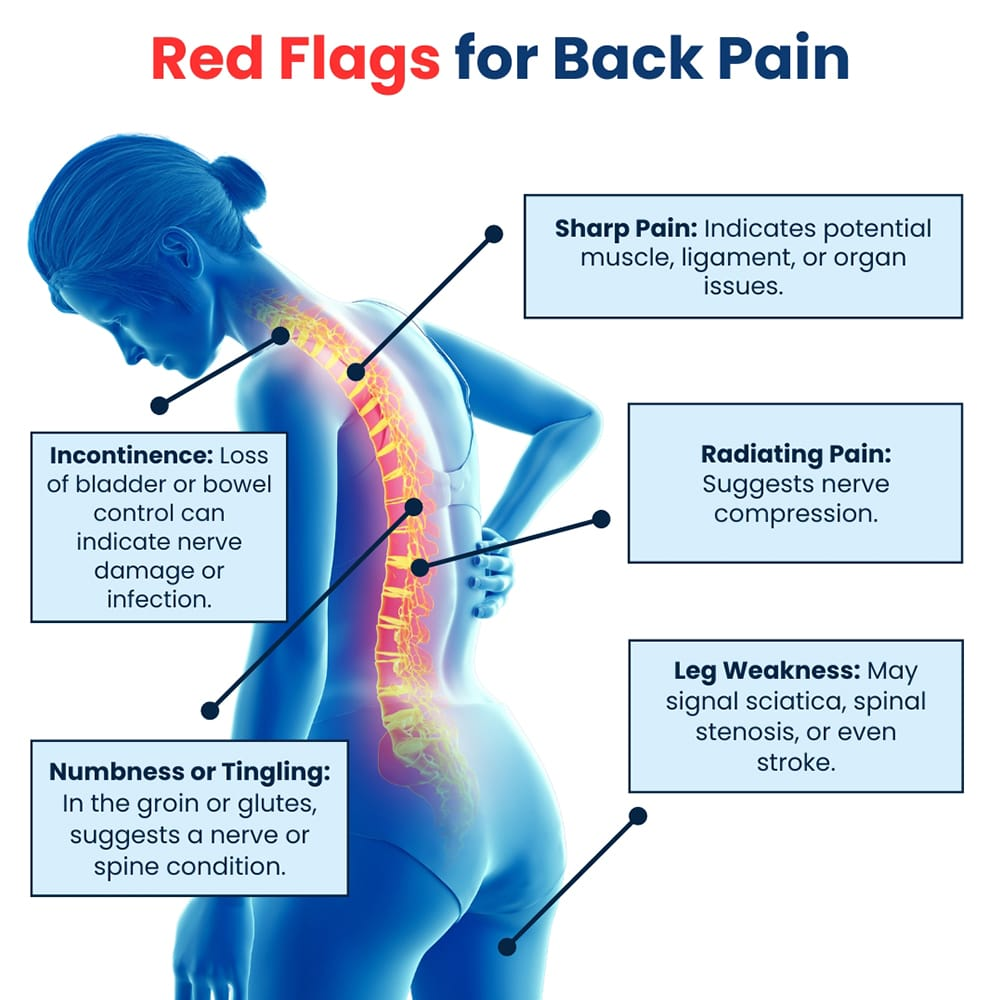
Warning Signs You Should Not Ignore
Some symptoms require immediate medical attention.
Seek help if lower back pain occurs with:
- Fever
- Severe numbness
- Weakness in the legs
- Loss of bladder control
- Sudden unexplained weight loss
- Difficulty walking
- Pain after a major accident
These symptoms may indicate a more serious condition.
Living Comfortably With Long-Term Back Pain
Chronic lower back pain can affect mental and physical health. People with ongoing pain may experience fatigue, poor sleep, and difficulty staying active.
Managing long-term discomfort usually requires:
- Regular exercise
- Physiotherapy
- Stress management
- Healthy posture
- Consistent movement
Recovery often happens gradually with proper care and patience.
FAQs About Lower Back Pain
Q1: What is the most common reason for lower back pain?
Muscle strain caused by lifting, poor posture, or overuse is one of the leading causes.
Q2: Why does female lower back pain happen during periods?
Hormonal changes and pelvic muscle contractions during menstruation can create lower back discomfort.
Q3: Can sitting too long cause lower back pain?
Yes, long sitting hours increase pressure on spinal muscles and joints.
Q4: Is exercise helpful for lower back pain?
Gentle exercise improves flexibility, circulation, and muscle support around the spine.
Q5: Can stress affect lower back pain?
Stress can tighten muscles and worsen tension in the lower back.
Q6: Does pregnancy increase back pain?
Yes, extra body weight and posture changes during pregnancy often strain the lower spine.
Q7: Is physiotherapy useful for lower back pain?
Physiotherapy improves strength, posture, and movement while reducing pain naturally.
Q8: When should someone see a doctor for back pain?
Medical advice is important if pain becomes severe, lasts several weeks, or causes weakness or numbness.
Final Thoughts
Lower back pain is a common condition that can affect movement, sleep, and daily activities. Whether caused by poor posture, weak muscles, injury, or female-specific conditions, early care is important for long-term recovery.
Healthy habits such as staying active, stretching regularly, maintaining proper posture, and seeking physiotherapy can help reduce discomfort and improve spinal health. Understanding the causes of female lower back pain can also help women manage symptoms more effectively and prevent future problems.