Understanding Carpal Tunnel Syndrome
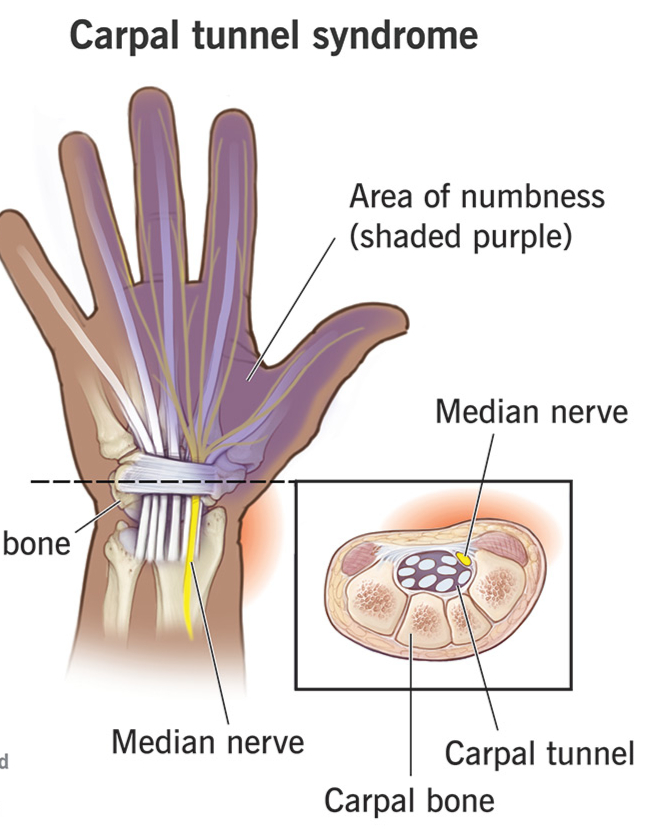
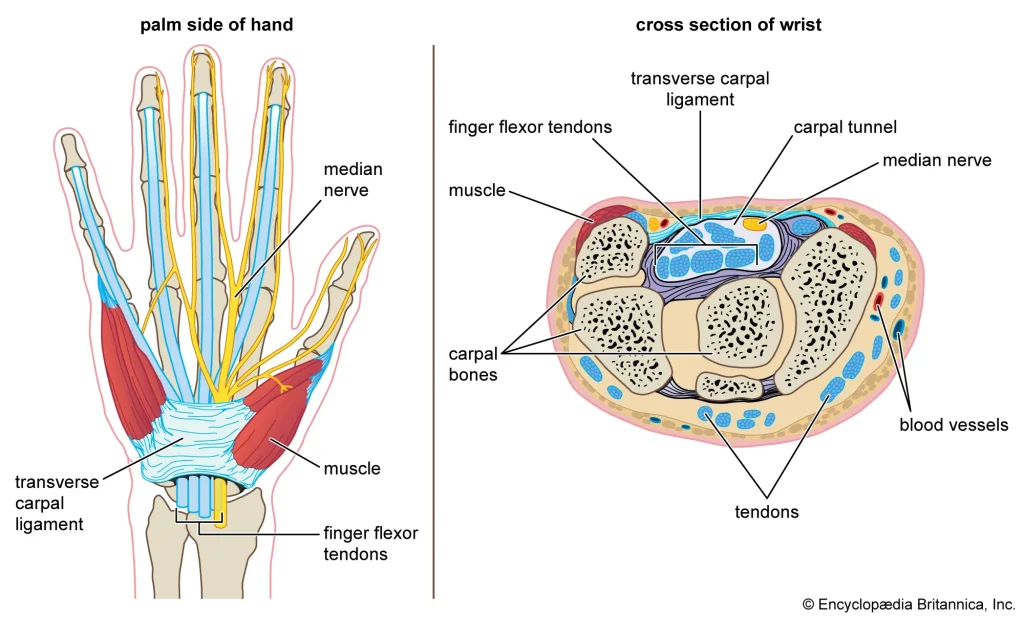
Carpal tunnel syndrome is a condition that affects the hand and wrist when the median nerve becomes compressed inside a narrow passage in the wrist called the carpal tunnel. This nerve controls sensation and movement in parts of the hand, so pressure on it can lead to discomfort and weakness.
The condition usually develops slowly and may begin with occasional tingling or numbness. Over time, symptoms can become more noticeable during daily activities such as typing, holding objects, driving, or using mobile phones.
Carpal tunnel syndrome is one of the most common nerve-related problems affecting the wrist. Early care and proper exercises can help reduce symptoms and improve hand function.
Symptoms of Carpal Tunnel Syndrome
The symptoms often appear gradually and may become worse at night or after repetitive hand activities.
Common signs include:
- Tingling in the fingers
- Numbness in the hand or wrist
- Burning sensation in the palm
- Weak hand grip
- Wrist discomfort during work
- Difficulty holding small objects
- Hand fatigue
- Pain that travels up the forearm
Many people notice symptoms in the thumb, index finger, middle finger, and part of the ring finger because these areas are connected to the median nerve.
What Causes Carpal Tunnel Syndrome?
Carpal tunnel syndrome happens when pressure builds around the median nerve. Several conditions and activities can contribute to this pressure.
Repetitive Wrist Movements
Using the hands repeatedly for long periods may strain wrist tissues. Typing, writing, sewing, lifting, or using machinery are common examples.
Wrist Swelling or Injury
Inflammation from sprains, fractures, or swelling can reduce space inside the wrist tunnel.
Arthritis and Joint Problems
Joint inflammation may irritate nearby tissues and increase nerve pressure.
Medical Conditions
Certain health conditions increase the risk of developing carpal tunnel syndrome, including:
- Diabetes
- Obesity
- Thyroid disorders
- Rheumatoid arthritis
- Fluid retention
Pregnancy
Hormonal changes and swelling during pregnancy may temporarily affect the wrist nerves.
Who Is More Likely to Develop Carpal Tunnel Syndrome?
Some people have a higher chance of developing this condition due to their lifestyle or work activities.
Higher-risk groups include:
- Office workers
- Computer users
- Hair stylists
- Drivers
- Factory workers
- Athletes
- People over 40 years old
Women are generally affected more often than men because the carpal tunnel area may naturally be smaller.
How Carpal Tunnel Syndrome Is Diagnosed
Doctors usually diagnose carpal tunnel syndrome through physical examination and symptom evaluation.
You may be asked about:
- Daily work activities
- Wrist pain patterns
- Tingling or numbness timing
- Hand weakness
Additional tests may include:
- Nerve conduction studies
- Electromyography (EMG)
- Ultrasound imaging
- X-rays if injury is suspected
Early diagnosis helps prevent worsening nerve damage.
Treatment Options for Carpal Tunnel Syndrome
Treatment depends on how severe the symptoms are. Mild cases may improve with conservative care, while severe cases may need medical procedures.
Wrist Support Splints
A wrist splint keeps the hand in a neutral position and reduces stress on the nerve, especially during sleep.
Physiotherapy
Physiotherapy improves flexibility, wrist strength, posture, and hand movement. It also helps reduce stiffness and discomfort.
Lifestyle Adjustments
Simple changes such as taking breaks, improving posture, and avoiding repetitive strain may help reduce symptoms.
Pain Relief Medication
Anti-inflammatory medicines may help control swelling and temporary pain.
Steroid Injections
Doctors sometimes recommend corticosteroid injections for severe inflammation.
Surgery
If symptoms continue for a long time or weakness becomes severe, surgery may be needed to release pressure on the nerve.
Best Carpal Tunnel Syndrome Exercises
Regular movement and stretching can help improve circulation and reduce wrist tightness. These carpal tunnel syndrome exercises should be done gently without forcing movement.
1. Wrist Stretch Exercise
Extend your arm forward with the palm facing up. Use the opposite hand to gently pull the fingers backward until a mild stretch is felt.
Hold for 20 seconds and repeat.
2. Finger Stretching
Spread your fingers wide apart and slowly close them again. Repeat several times to improve mobility.
3. Tendon Gliding Exercise
Move your hand through different positions:
- Straight fingers
- Hook fist
- Full fist
- Flat fist
This exercise helps tendons move smoothly inside the wrist.
4. Wrist Rotation
Rotate both wrists slowly in circular motions to improve flexibility and blood flow.
5. Nerve Glide Exercise
Stretch your arm outward while extending the wrist and fingers gently. This may help reduce nerve irritation.
Tips to Prevent Carpal Tunnel Syndrome
Healthy wrist habits can lower the risk of developing symptoms.
Helpful Prevention Tips:
- Take regular breaks while typing
- Keep wrists in a neutral position
- Avoid excessive pressure on the hands
- Stretch before repetitive activities
- Use ergonomic office equipment
- Maintain proper posture while working
- Strengthen hand and forearm muscles
When to Visit a Doctor
Medical advice is important if:
- Symptoms continue for several weeks
- Hand weakness increases
- Numbness becomes constant
- Sleep is regularly disturbed by pain
- You begin dropping objects frequently
Ignoring symptoms may lead to permanent nerve problems.

Conclusion
Carpal tunnel syndrome can affect everyday tasks and reduce hand comfort if left untreated. Symptoms such as tingling, numbness, weakness, and wrist pain should be addressed early. Proper physiotherapy, wrist care, and regular carpal tunnel syndrome exercises can help improve mobility and reduce discomfort naturally.
Seeking early treatment can protect the median nerve and support long-term wrist health.
Frequently Asked Questions
What is carpal tunnel syndrome?
Carpal tunnel syndrome is a condition caused by pressure on the median nerve inside the wrist, leading to numbness, tingling, pain, and weakness in the hand.
Can carpal tunnel syndrome heal without surgery?
Many mild and moderate cases improve with rest, splints, physiotherapy, and lifestyle changes without needing surgery.
Which fingers are usually affected?
The thumb, index finger, middle finger, and part of the ring finger are commonly affected.
Are carpal tunnel syndrome exercises useful?
Yes, stretching and mobility exercises may help improve flexibility, reduce stiffness, and support nerve movement.
Is carpal tunnel syndrome permanent?
If treated early, symptoms often improve. Untreated severe cases may lead to lasting nerve damage.
Does typing cause carpal tunnel syndrome?
Long hours of repetitive typing with poor wrist posture may increase the risk of developing symptoms.
How long does recovery take?
Recovery time varies depending on severity. Mild cases may improve within weeks, while severe cases may require longer treatment.
Can physiotherapy help with wrist pain?
Yes, physiotherapy can reduce pain, improve strength, increase flexibility, and support recovery from wrist-related conditions.