Finger joint pain is a common issue that can affect people of all ages, limiting their ability to perform daily activities such as typing, cooking, or gripping objects. While the severity can vary from mild discomfort to debilitating pain, understanding the causes and treatments including physiotherapy can help individuals manage symptoms and maintain hand function. In this article, we will explore finger joint pain, particularly middle finger joint pain, its causes, symptoms, treatments, and how physiotherapy can play a pivotal role in recovery.
What is Finger Joint Pain?
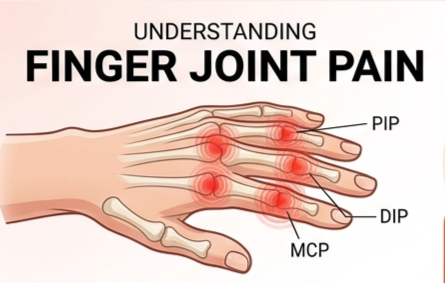
Finger joint pain refers to discomfort, soreness, or inflammation in one or more joints of the fingers. This pain may worsen with movement, gripping, or pressure. In some cases, it can be persistent, interfering with daily tasks, while in others, it may flare up only occasionally.
The middle finger joint is particularly prone to pain due to its central role in hand function. Injuries, arthritis, overuse, and inflammatory conditions are common culprits.
Causes of Finger Joint Pain
Finger joint pain can result from multiple factors. Understanding the underlying cause is crucial for effective treatment.
1. Injuries
Finger injuries are prevalent among athletes, manual laborers, and even during minor accidents at home. Common injuries include:
- Sprains: Stretching or tearing of ligaments that connect bones.
- Strains: Overstretching or tearing of muscles or tendons.
- Dislocations: When the bones of the finger are forced out of place.
- Fractures: Breaks in the finger bones, often accompanied by swelling and intense pain.
Treatment:
Mild injuries can often be managed using RICE therapy:
- Rest: Limit movement and consider using a splint or buddy tape.
- Ice: Apply an ice pack for 20 minutes, 4–8 times daily.
- Compression: Use a snug bandage to reduce swelling.
- Elevation: Keep the finger above heart level.
Over-the-counter (OTC) pain relievers like ibuprofen can also reduce inflammation. Severe injuries, such as fractures and dislocations, require medical intervention.
2. Tendon Disorders
Tendons connect muscles to bones, allowing finger movement. Two common tendon issues are:
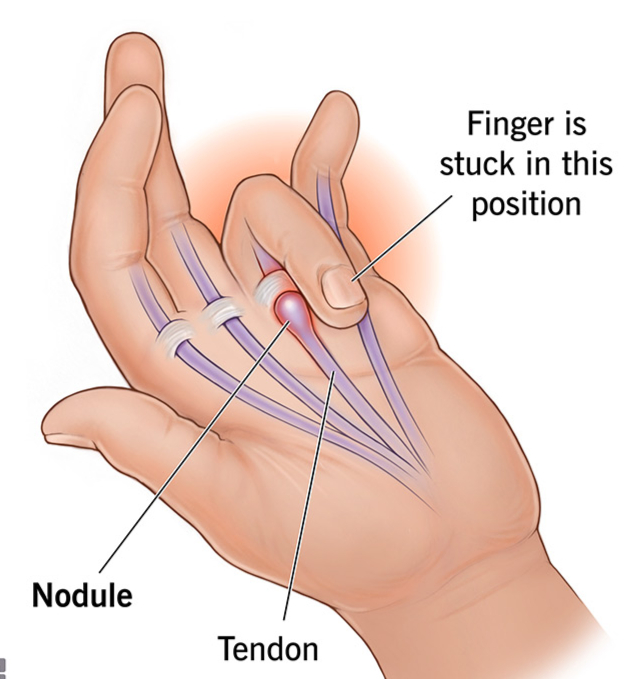
- Tendonitis: Inflammation of a tendon, causing pain, swelling, and reduced mobility.
- Tenosynovitis: Inflammation of the tendon sheath, leading to stiffness and discomfort.
Treatment:
Mild cases respond well to rest, ice, and immobilization. Persistent issues may require:
- Corticosteroid injections
- Physiotherapy exercises to strengthen and improve tendon flexibility
- Surgical intervention in severe cases
3. Ganglion Cysts
Ganglion cysts are fluid-filled growths, often appearing on the back of the wrist or finger joints. While usually harmless, they may cause tenderness or pain, particularly when pressing the affected area.
Treatment:
Small, painless cysts often resolve naturally. Painful or mobility-limiting cysts may require aspiration or surgical removal.
4. Arthritis
Arthritis is one of the leading causes of finger joint pain, including middle finger joint pain. It involves inflammation and degeneration of joints. Common types include:
- Osteoarthritis (OA): Caused by cartilage wear, leading to stiffness and pain, particularly in older adults.
- Rheumatoid Arthritis (RA): An autoimmune disorder that attacks joint tissues, causing swelling and chronic pain.
- Other types: Psoriatic arthritis, gout, juvenile arthritis, and lupus.
Symptoms:
- Joint pain and swelling
- Morning stiffness lasting over an hour
- Reduced mobility in finger joints
- Difficulty performing fine motor tasks
Treatment:
Treatment aims to reduce pain, improve mobility, and slow disease progression:
- Disease-modifying medications (for RA)
- NSAIDs or corticosteroids
- Physiotherapy to strengthen muscles, improve flexibility, and maintain joint function
- Surgery in advanced cases (joint repair or replacement)
- Supportive devices (splints or braces)
- Lifestyle modifications such as weight management
How Physiotherapy Helps Finger Joint Pain
Physiotherapy plays a crucial role in managing finger joint pain, especially for persistent or chronic conditions. A physiotherapist can design a personalized program that combines:
1. Strengthening Exercises
Strengthening the muscles around finger joints reduces strain on the joints themselves. Examples include:
- Squeezing a soft ball
- Finger extension with rubber bands
- Pinch grip exercises
These exercises improve grip strength, which is particularly helpful for middle finger joint pain.
2. Range of Motion Exercises
Maintaining flexibility in finger joints prevents stiffness. Techniques include:
- Finger bends (curling fingers toward the palm)
- Finger spreads (stretching fingers apart)
- Tendon gliding exercises
3. Pain Relief Modalities
Physiotherapists may use:
- Heat or cold therapy to reduce swelling
- Ultrasound therapy for deep tissue healing
- Manual therapy techniques to improve joint mobility
4. Ergonomic Advice
Physiotherapists guide patients on hand positioning during work or daily activities to minimize strain. For example:
- Adjusting keyboard or tool height
- Using cushioned grips
- Avoiding repetitive stress motions
5. Splints and Supports
Custom-made splints can help immobilize painful joints temporarily, allowing inflammation to subside while maintaining some function.
Prevention of Finger Joint Pain
Preventing middle finger joint pain or other finger joint discomfort involves a combination of habits:
- Avoid repetitive strain; take frequent breaks during typing or manual tasks.
- Maintain hand and finger flexibility with regular stretching exercises.
- Use ergonomic tools to reduce unnecessary stress on finger joints.
- Maintain a healthy weight to reduce systemic inflammation.
- Seek early medical attention for minor injuries to prevent chronic issues.
When to See a Doctor
Consult a healthcare professional if you experience:
- Severe or persistent pain that does not improve with rest or OTC medications
- Significant swelling, redness, or warmth around the joint
- Sudden inability to move a finger
- Signs of infection (fever, pus, redness spreading beyond the joint)
Early intervention prevents long-term damage and ensures better recovery outcomes.
FAQs About Finger Joint Pain
Q1: Can middle finger joint pain be caused by typing?
Yes, repetitive finger movements, such as typing, can strain tendons and joints, especially the middle finger. Ergonomic adjustments and periodic breaks help reduce pain.
Q2: Is physiotherapy effective for arthritis-related finger joint pain?
Absolutely. Physiotherapy strengthens muscles around the joints, improves mobility, reduces stiffness, and can slow disease progression.
Q3: Can a ganglion cyst cause permanent finger joint damage?
Usually not. Ganglion cysts are generally harmless, but if left untreated when painful, they can limit motion temporarily.
Q4: How long does it take for finger injuries to heal?
Mild sprains or strains may take 1–3 weeks, while fractures or dislocations can require 6–8 weeks or more, depending on severity.
Q5: Are home remedies effective for finger joint pain?
Yes, home measures such as RICE therapy, gentle stretching, and OTC anti-inflammatories can manage mild pain. Severe or persistent pain requires professional evaluation.
Q6: Can finger joint pain be completely cured?
While some conditions like mild injuries can fully heal, chronic conditions like arthritis require ongoing management to control symptoms and maintain joint function.
Conclusion
Finger joint pain, particularly middle finger joint pain, can disrupt daily life, but understanding the causes and treatment options is key to recovery. From injuries and tendon disorders to arthritis, the root causes vary, and treatment must be tailored accordingly. Physiotherapy is an invaluable tool, offering exercises, pain management techniques, and ergonomic guidance to restore function and improve quality of life.
Early intervention, consistent care, and a proactive approach can significantly reduce discomfort, prevent complications, and maintain hand mobility for years to come. Remember, your hands are your tools—taking care of your finger joints ensures they remain strong and functional for everyday life.