Groin pain is a widespread discomfort that impacts individuals across all lifestyles, from competitive athletes to desk-bound professionals. This condition involves any ache, soreness, or sharp discomfort located where your lower abdomen meets your upper thigh. Whether it strikes out of nowhere after a sudden movement or builds up gradually due to repetitive strain, muscle imbalances, or underlying medical issues, it can significantly disrupt your daily life.
For many, a groin injury makes simple movements—like climbing stairs, walking, working out, or even sitting for long periods incredibly uncomfortable. Fortunately, a combination of prompt diagnosis, targeted physiotherapy, and a structured recovery plan can successfully resolve most cases.
This comprehensive guide breaks down the primary causes, recognizable symptoms, treatment pathways, and recovery timelines for pelvic and inner thigh discomfort, including specific insights into groin pain in women.
What Exactly Is Groin Pain?
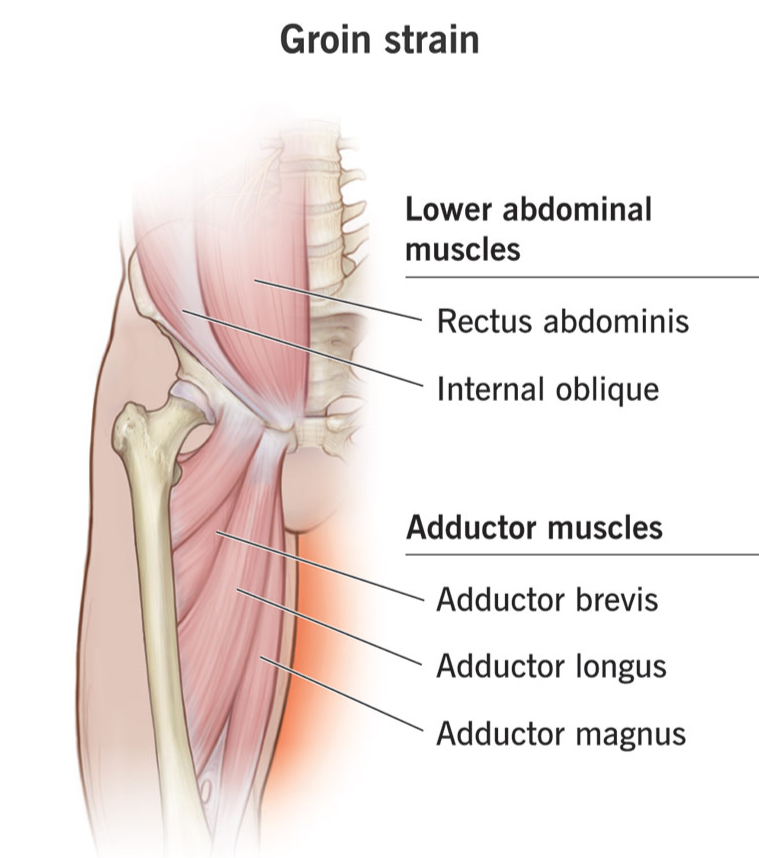
The groin area is a complex network of muscles, tendons, ligaments, nerves, and joints working in harmony to stabilize your pelvis and power leg movements. When any of these soft tissues or skeletal structures experience a tear, inflammation, or excessive stress, pain is the result.
This discomfort can present on the left side, the right side, or radiate across both sides. Depending on the root cause, it might feel like a sharp, sudden stab during physical activity or a persistent, dull ache that intensifies as the day goes on.
Common Causes of Groin Discomfort
A variety of underlying factors and conditions can trigger pain in the groin zone.
Muscle Strain
Often referred to as a pulled groin, this is a frequent sports injury. It happens when the adductor muscles (inner thigh muscles) are stretched beyond their limits or torn during abrupt movements.
Hip Joint Conditions
Skeletal issues such as hip osteoarthritis or femoroacetabular impingement (FAI) frequently cause deep pain that radiates directly into the groin area.
Athletic Injuries
Sports that demand rapid acceleration, kicking, twisting, or sudden changes of direction place tremendous, repetitive stress on the pelvic musculature.
Hernias
An inguinal hernia occurs when internal tissue or a portion of the intestine pushes through a weak spot in the lower abdominal muscles, often causing a localized ache and a visible bulge.
Tendinopathy
Inflammation or degeneration of the tendons surrounding the pelvis and hip can lead to chronic groin soreness, which typically flares up during or after exercise.
Nerve Irritation
Pinched or compressed nerves originating in the lower lumbar spine or pelvic cavity can send radiating pain, tingling, or numbness straight into the groin.
Groin Pain in Women: Unique Considerations
While pelvic and athletic injuries are heavily discussed in sports contexts, groin pain in women is highly prevalent and frequently tied to distinct anatomical and physiological factors.
Key triggers for women include:
- Pelvic girdle pain (PGP) and ligament changes during pregnancy
- Weakness in the hip stabilizing muscles
- Adductor muscle strains
- Pelvic floor muscle dysfunction
- Gynecological issues (such as endometriosis or ovarian cysts)
- Structural hip joint disorders
- Early-onset osteoarthritis
During pregnancy, the body releases hormones like relaxin, which soften the ligaments to prepare for childbirth. While essential, this biological shift can temporarily destabilize the pelvis, placing extra strain on the surrounding muscles and causing noticeable groin discomfort.
Because the underlying causes can span from musculoskeletal to gynecological, women experiencing ongoing pelvic or inner thigh pain should get a targeted professional assessment.
Recognizing the Symptoms
Groin discomfort can manifest in several ways depending on what is driving the issue. Common warning signs include:
- A deep ache or tenderness in the inner thigh
- Pain that intensifies when running, sprinting, or changing directions
- Difficulty bearing weight or walking smoothly
- A noticeable reduction in hip flexibility and range of motion
- Localized swelling, heat, or bruising following a traumatic injury
- Weakness when squeezing the legs together
- Sudden, sharp twinges during quick movements
- A clicking, catching, or popping sensation inside the hip joint
- Deep stiffness after sitting for extended periods
When to Consult a Physiotherapist
It is wise to seek professional medical advice or schedule a physiotherapy consultation if:
- Your pain persists for more than a week without improvement
- You are limping or find it difficult to walk
- The discomfort fades but repeatedly flares up during activity
- You notice visible, worsening swelling or an unexplained lump
- Modified rest does not ease the discomfort
- Your hip joint feels locked or severely restricted
Addressing the issue early prevents minor strains from turning into chronic, long-term limitations.
How Groin Pain is Evaluated
To pinpoint the exact source of your discomfort, a physiotherapist will conduct a thorough physical evaluation, which typically involves:
- Reviewing your medical history and activity habits
- Identifying the precise location of the tenderness
- Testing the strength of your core, hip, and thigh muscles
- Measuring the active and passive range of motion in your hips
- Analyzing your walking pattern (gait analysis)
- Watching you perform specific functional movements (like squatting or stepping)
If a structural issue like a hernia, severe tear, or joint degeneration is suspected, you may be referred for diagnostic imaging, such as an X-ray, ultrasound, or MRI.
Physiotherapy Management and Treatment
Physiotherapy stands as one of the most reliable, non-invasive solutions for overcoming groin injuries and restoring full function.
A custom-tailored recovery strategy generally incorporates:
Manual Therapy
Hands-on joint mobilization, soft tissue massage, and myofascial release help alleviate muscle guarding, reduce tightness, and restore joint mechanics.
Targeted Stretching
Graduated, pain-free stretching protocols help restore optimal length to tight inner thigh and hip flexor muscles.
Progressive Strengthening
Targeting the adductors, glutes, hip rotators, and deep core muscles builds a protective framework around the pelvis, preventing future mechanical overload.
Balance and Proprioception Training
Coordination drills teach the body to stabilize itself dynamically, taking unnecessary pressure off vulnerable tendons.
Load Management and Activity Modification
Learning how to alter your workout routines or daily habits allows the damaged tissue to heal without forcing you into total inactivity.
Effective Rehabilitation Exercises
Note: These movements should be introduced gradually and ideally performed under professional guidance to ensure proper form.
Gentle Adductor Stretch
Restores flexibility to the inner thigh. Sit on the floor with the soles of your feet together (butterfly position) and gently lower your knees outward until you feel a mild, comfortable stretch.
Glute Bridges
Supports pelvic alignment. Lie on your back with bent knees and feet flat on the floor, then lift your hips toward the ceiling by engaging your glutes and core.
Side-Lying Leg Lifts
Builds lateral hip strength. Lie on your side and lift your top leg toward the ceiling, keeping your hips stacked and your core tight to isolate the gluteus medius.
Deep Core Activation
Reduces pelvic instability. Exercises like the “dead bug” or pelvic tilts train the deep abdominal wall to support the pelvis during leg movements.
Controlled Hip Mobility Drills
Controlled leg circles or gentle hip rotations help restore smooth, fluid movement within the joint socket without overloading the soft tissues.
Estimated Recovery Timelines
The time it takes to get back to 100% depends largely on the type and severity of the tissue damage:
- Mild (Grade 1) Strain: Expect a recovery period of roughly 2 to 4 weeks with proper care.
- Moderate (Grade 2) Injury: Generally requires 4 to 8 weeks of structured rehabilitation.
- Severe (Grade 3) Tear or Joint Chronic Condition: May take several months of dedicated therapy to fully resolve.
Sticking closely to a professional rehab program ensures the tissue heals cleanly, drastically cutting down your risk of a relapse.
Proactive Tips to Prevent Groin Injuries
Keep your pelvis and hips functioning smoothly with these preventative strategies:
- Always dedicate 5–10 minutes to a dynamic warm-up before intense workouts.
- Incorporate cool-down stretches focusing on the hips and thighs after physical activity.
- Maintain a balanced strength routine that emphasizes core and hip stability.
- Avoid sudden spikes in workout intensity; use a gradual progression model instead.
- Practice good ergonomics and posture when sitting for long periods.
- Invest in supportive, well-fitted footwear appropriate for your sport or daily life.
- Prioritize hydration and adequate recovery time between heavy training sessions.
Frequently Asked Questions
What are the most common reasons for groin pain?
The most frequent culprits include adductor muscle strains, structural hip joint issues, tendon inflammation (tendinopathy), hernias, and nerve compression in the lower back or pelvis.
Can physical therapy actually cure a groin injury?
Yes, physical therapy is highly effective. It addresses the root cause of the pain by reducing localized inflammation, correcting muscle imbalances, restoring flexibility, and retraining the body to handle physical loads safely.
Why is groin pain common in women?
In women, groin discomfort is frequently tied to structural shifts during pregnancy, pelvic floor imbalances, hip muscle weakness, or gynecological conditions. A thorough clinical assessment is key to finding the exact cause.
Is it safe to walk when my groin hurts?
Light, pain-free walking can promote blood flow and aid recovery for mild strains. However, if walking causes you to limp or sharpens the pain, you should rest and consult a professional.
How fast does a groin injury heal?
Mild pulls can resolve in 2 to 4 weeks, whereas moderate strains take closer to 1 to 2 months. Chronic issues or severe tissue tears will require a dedicated rehabilitation approach lasting several months.
When should I go to a doctor or clinic for my groin pain?
Seek immediate medical attention if your pain is excruciating, if you cannot bear weight on your leg, or if the discomfort is accompanied by a visible bulge, redness, fever, or chills.
Summary Thoughts
While groin pain can sideline you from sports, work, and the daily activities you enjoy, you don’t have to simply wait it out. Early intervention coupled with a systematic, movement-based recovery plan can radically change your healing trajectory. Whether you are dealing with an athletic muscle tear, a chronic hip issue, or pregnancy-related pelvic adjustments, targeted care will help you rebuild your strength safely.
If persistent discomfort or symptoms related to groin pain in women are holding you back, the expert team at Pain Relief Physio is here to help. We provide comprehensive evaluations and design custom recovery strategies tailored to your body’s unique demands, helping you return to your active lifestyle with comfort, strength, and peace of mind.