If your fingers feel stiff first thing in the morning, ache after typing, or swell up after a minor knock, there’s a good chance the problem lies in one of the small hinge joints of your hand — the interphalangeal joint. These joints do an enormous amount of work every single day, yet most people never think about them until something goes wrong.
At our clinic, we see interphalangeal joint pain in office workers, athletes, gardeners, musicians, and older adults alike. It’s one of the most common — and most under-treated — sources of hand discomfort. This guide breaks down exactly what the interphalangeal joint is, why the proximal interphalangeal joint in particular is so prone to injury and arthritis, and what physiotherapy can do to help you get back to pain-free movement.
What Is the Interphalangeal Joint?
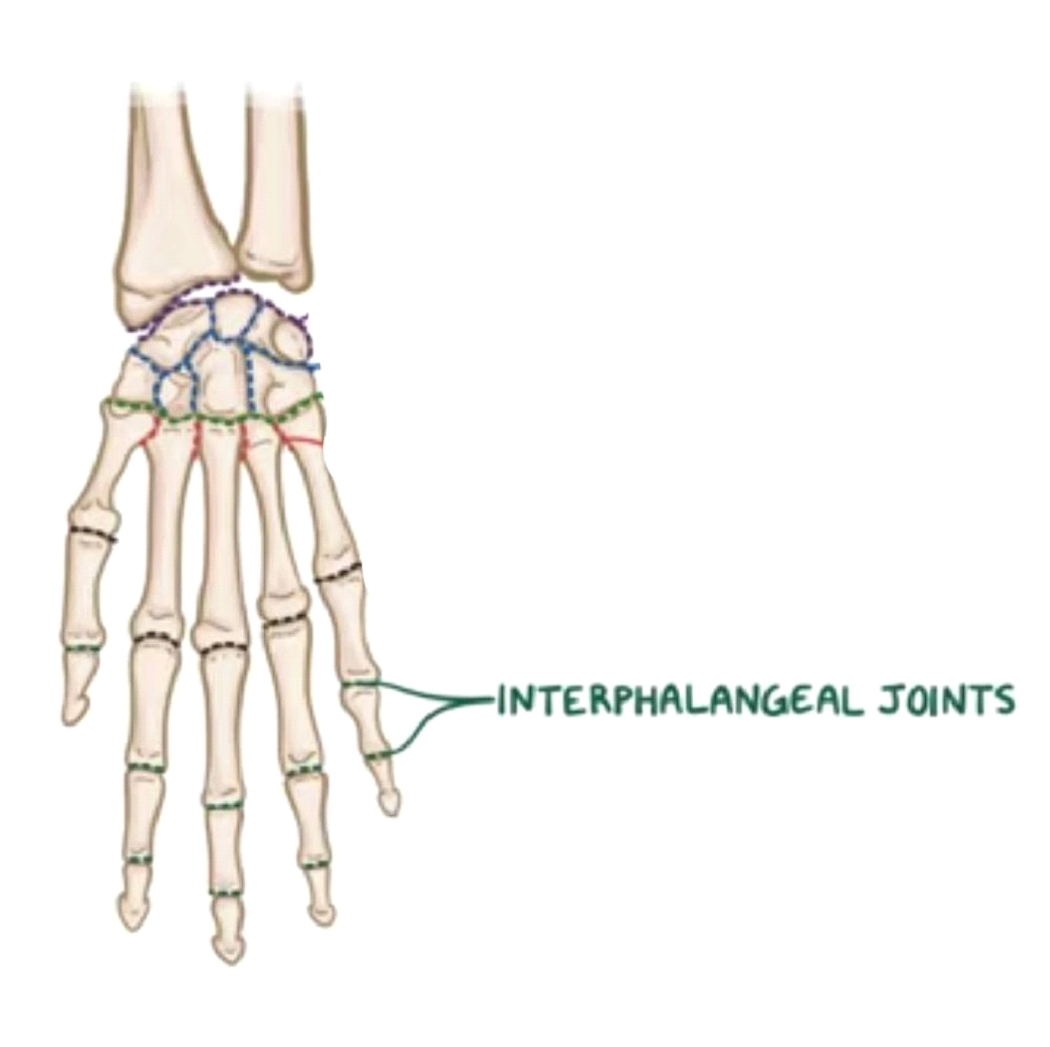
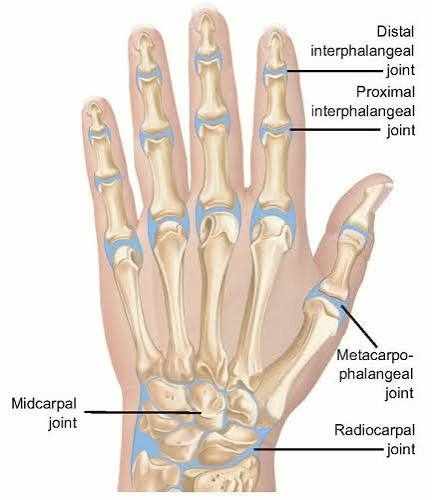
The interphalangeal joint refers to any hinge-type joint located between the bones (phalanges) of your fingers or toes. Each finger, except the thumb, has two interphalangeal joints:
- The Proximal Interphalangeal (PIP) Joint – located in the middle of the finger, between the first and second phalanges.
- The Distal Interphalangeal (DIP) Joint – located closer to the fingertip, between the second and third phalanges.
The thumb has only one interphalangeal joint, simply called the IP joint.
These joints allow your fingers to curl into a fist, grip objects, pinch, type, and perform nearly every fine motor task your hands are capable of. Structurally, each interphalangeal joint is a synovial hinge joint, meaning it’s surrounded by a joint capsule, lined with synovium (which produces lubricating fluid), and stabilized by collateral ligaments on either side. A flexible plate called the volar plate sits on the palm side of the joint, preventing it from bending backward too far.
Because these joints are small, mobile, and constantly loaded during grip and pinch activities, they are especially vulnerable to overuse injuries, trauma, and degenerative conditions.
Why the Proximal Interphalangeal Joint Gets Special Attention
Among all the finger joints, the proximal interphalangeal joint is the one physiotherapists and hand specialists worry about most — and for good reason.
- It bears the most mechanical stress. The PIP joint has the greatest range of motion of any finger joint and handles the bulk of the force during gripping and pinching.
- It’s the most common site of finger dislocation. A ball hitting the tip of an outstretched finger, a fall onto the hand, or a simple stumble can jam or dislocate the PIP joint instantly.
- It stiffens easily and permanently. Unlike other joints, the PIP joint has a well-earned reputation among clinicians for becoming permanently stiff if it isn’t mobilized correctly after injury. Even a minor sprain, if immobilized too long, can leave a lasting flexion contracture.
- It’s a hotspot for arthritis. Osteoarthritis and rheumatoid arthritis frequently target the PIP joint, leading to the characteristic swelling known as Bouchard’s nodes.
This combination of high use, high injury risk, and a tendency toward stiffness makes early, correct management of proximal interphalangeal joint problems essential.
Common Causes of Interphalangeal Joint Pain
1. Osteoarthritis
Wear-and-tear arthritis is one of the leading causes of interphalangeal joint pain, particularly in people over 45. Cartilage within the joint gradually thins, leading to stiffness, bony enlargement, and pain that worsens with activity.
2. Rheumatoid Arthritis
This autoimmune condition causes inflammation of the synovial lining, often affecting the proximal interphalangeal joint symmetrically on both hands. It typically presents with morning stiffness lasting more than 30 minutes, swelling, and warmth around the joint.
3. Sprains and Jersey/Jammed Finger Injuries
A sudden force to the fingertip — common in basketball, volleyball, cricket, and rugby — can stretch or tear the collateral ligaments or volar plate of the PIP joint, causing immediate swelling and pain.
4. Dislocations
The PIP joint is the most frequently dislocated joint in the hand. While a dislocation may look dramatic, the real risk lies in what happens afterward if it isn’t rehabilitated properly.
5. Trigger Finger
Inflammation of the flexor tendon sheath can cause the finger to catch or lock, often felt right at the interphalangeal joint, with a painful “pop” when the finger straightens.
6. Boutonniere and Swan Neck Deformities
These are structural deformities of the PIP joint that develop after untreated tendon injuries or chronic inflammatory arthritis, resulting in abnormal bending patterns of the finger.
7. Repetitive Strain
Prolonged typing, texting, knitting, or manual labor can irritate the joint capsule and surrounding soft tissue, leading to a dull, persistent ache without a specific injury event.
Signs and Symptoms to Watch For
- Pain or tenderness directly over a finger joint
- Swelling around the middle knuckle (proximal interphalangeal joint) or the joint closer to the nail
- Morning stiffness or stiffness after periods of inactivity
- A clicking, catching, or locking sensation when bending the finger
- Visible deformity or the finger sitting at an odd angle
- Reduced grip strength or difficulty forming a full fist
- Warmth or redness (suggesting inflammation or infection, which needs urgent review)
When to See a Physiotherapist (or Seek Urgent Care)
Most cases of interphalangeal joint pain respond very well to physiotherapy, but certain signs mean you should be assessed sooner rather than later:
- A finger that looks visibly crooked or deformed after an injury
- Inability to fully straighten or bend the finger
- Significant swelling that develops within minutes of an injury
- Numbness or loss of circulation in the finger
- Fever combined with joint swelling and redness (possible infection — seek emergency care)
For everything else — arthritis-related stiffness, overuse pain, post-sprain stiffness, or ongoing discomfort — physiotherapy is typically the first and most effective line of treatment.
How Physiotherapy Treats Interphalangeal Joint Pain
A skilled physiotherapist doesn’t just treat the symptom — they identify why the joint is under stress and correct the underlying mechanics. Here’s what a typical treatment plan includes:
1. Detailed Assessment
This includes range-of-motion testing, ligament stability tests (particularly important for the proximal interphalangeal joint after trauma), grip strength measurement, and functional movement screening to see how the hand is used in daily tasks.
2. Manual Therapy
Gentle joint mobilizations help restore normal gliding motion within the joint capsule, reduce stiffness, and break down early scar tissue that can restrict movement — especially important for the PIP joint, which stiffens quickly.
3. Splinting and Buddy Taping
For sprains or dislocations, a physiotherapist may apply buddy taping or a customized splint that protects the joint while still allowing controlled, safe movement — a far better outcome than prolonged rigid immobilization, which increases the risk of permanent stiffness.
4. Targeted Exercise Therapy
A progressive exercise program is the backbone of interphalangeal joint rehabilitation. This typically includes:
- Passive range-of-motion exercises to gently restore flexibility
- Active flexion and extension drills to rebuild controlled movement
- Putty or grip-strengthening exercises to restore hand and finger strength
- Tendon gliding exercises to keep the flexor and extensor tendons moving freely around the joint
- Scar tissue massage for joints recovering from surgery or significant trauma
5. Swelling and Pain Management
Techniques such as ice, contrast baths, compression wraps, and manual lymphatic drainage help control inflammation, particularly in the early stages after injury or during an arthritis flare.
6. Activity Modification and Ergonomics
Physiotherapists assess how you grip your phone, type, or hold tools, and suggest adjustments (larger grips, typing posture, pacing strategies) to reduce repetitive strain on the interphalangeal joints.
7. Education on Joint Protection
For arthritic conditions, learning how to distribute load across the hand, use adaptive equipment, and pace activities can significantly slow symptom progression and protect joint function long-term.
Simple Exercises You Can Start Today
While a personalized program from a physiotherapist is always best, these gentle exercises are commonly recommended as a starting point for mild interphalangeal joint stiffness:
- Finger Flexion/Extension: Slowly bend and straighten each finger individually, holding for 3–5 seconds at each end range.
- Tabletop Stretch: Place your hand flat on a table and gently press each finger down to stretch the joint capsule.
- Putty Squeezes: Use therapy putty to perform gentle pinch and squeeze exercises, building strength without overloading the joint.
- Tendon Glides: Move through a hook fist, full fist, and straight fist position to mobilize the tendons around the interphalangeal joints.
Stop any exercise that causes sharp pain and check in with a physiotherapist before progressing.
Preventing Interphalangeal Joint Problems
- Warm up your hands before sports or repetitive manual tasks
- Take regular breaks during typing, texting, or fine motor work
- Strengthen grip and hand muscles proactively, not just after an injury
- Use proper technique and protective taping during ball sports
- Address any finger swelling or stiffness early rather than waiting for it to worsen
Final Thoughts
The interphalangeal joint, and the proximal interphalangeal joint in particular, may be small, but the impact of pain or stiffness here can be surprisingly disruptive to daily life — from typing and cooking to playing sport or simply making a fist. The good news is that with the right physiotherapy approach, most interphalangeal joint conditions respond extremely well to treatment, especially when addressed early.
If you’re dealing with persistent finger pain, stiffness, or a recent injury, don’t wait for it to become a long-term problem. Book an assessment with our physiotherapy team and let’s get your hand moving comfortably again.
Frequently Asked Questions (FAQs)
1. What is the difference between the proximal interphalangeal joint and the distal interphalangeal joint? The proximal interphalangeal (PIP) joint is located in the middle of the finger, closer to the palm, while the distal interphalangeal (DIP) joint is located near the fingertip. The PIP joint generally has a greater range of motion and is more commonly injured or affected by arthritis.
2. Why does my proximal interphalangeal joint hurt when I bend my finger? Pain when bending is often due to inflammation of the joint capsule, ligament sprain, early arthritis, or tendon irritation. If the pain follows an injury or persists beyond a few days, a physiotherapy assessment can identify the exact cause.
3. Can physiotherapy fix a stiff interphalangeal joint after a sprain? Yes. Physiotherapy is highly effective for restoring motion after an interphalangeal joint sprain, using manual mobilization, guided exercises, and controlled movement protocols like buddy taping instead of prolonged immobilization.
4. Is swelling in the interphalangeal joint always arthritis? Not necessarily. Swelling can result from arthritis, but also from ligament sprains, tendon injuries, infections, or overuse. A proper assessment helps determine the underlying cause before starting treatment.
5. How long does it take to recover from a jammed proximal interphalangeal joint? Mild sprains often improve within 2–4 weeks with appropriate physiotherapy, while more significant ligament or volar plate injuries may take 6–8 weeks or longer. Early, guided movement generally leads to faster and more complete recovery than strict immobilization.
6. Should I keep my finger completely still if I injure my interphalangeal joint? Generally, no. Complete immobilization for extended periods often leads to permanent stiffness in the interphalangeal joint. Controlled, protected movement — guided by a physiotherapist — usually produces better long-term outcomes.
7. Can exercises reverse arthritis in the interphalangeal joint? Exercise cannot reverse joint damage, but targeted physiotherapy exercises can significantly reduce pain, maintain range of motion, improve grip strength, and slow further functional decline.
8. When should I worry about interphalangeal joint pain? Seek prompt medical attention if there’s visible deformity, inability to move the finger, numbness, rapid swelling after injury, or signs of infection such as fever, redness, and warmth.