Left leg pain can range from a mild ache after physical activity to sharp, severe discomfort that makes walking difficult. Sometimes the pain develops gradually, while in other cases it starts suddenly without an obvious reason. Understanding the possible leg pain causes can help you choose the right approach for relief and know when professional assessment may be necessary.
Pain in the left leg may come from the muscles, joints, nerves, bones, blood vessels, or even problems originating in the lower back. The location and type of pain can provide useful clues. For example, pain in the thigh may have different causes from lower leg pain, while pain that travels from the back into the leg may suggest nerve irritation.
This guide explains the common causes of left leg pain, associated symptoms, treatment options, exercises, prevention strategies, and when you should seek medical attention.
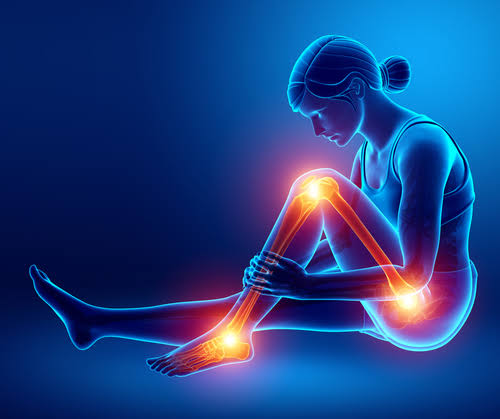
What Is Left Leg Pain?
Left leg pain refers to discomfort occurring anywhere from the hip and thigh to the knee, calf, ankle, or foot on the left side. The pain may feel like an ache, burning sensation, pressure, cramping, stabbing, or tingling.
The severity can vary considerably. Some people experience pain only during movement, while others notice discomfort while sitting, standing, walking, or sleeping.
The location of the pain is important because different structures can produce different symptoms.
For example:
- Thigh pain may involve muscles, the hip joint, or nerves.
- Knee pain may be related to the joint, tendons, ligaments, or surrounding muscles.
- Lower leg pain may involve the calf muscles, shin, ankle, nerves, or blood vessels.
- Pain extending from the lower back through the buttock and leg may be associated with nerve irritation.
Because there are many possible leg pain causes, persistent or unexplained symptoms should be assessed rather than self-diagnosed.
What Are the Common Leg Pain Causes?
There are numerous reasons why someone may develop left leg pain. Some are temporary and improve with rest, while others require professional treatment.
1. Muscle Strain
Muscle strain is one of the common causes of leg discomfort. It can happen after running, jumping, lifting, exercising, or making a sudden movement.
A strained muscle may cause:
- Aching or tenderness
- Pain during movement
- Muscle tightness
- Mild swelling
- Reduced flexibility
Resting from aggravating activities and gradually returning to movement can help mild muscle strains recover.
2. Muscle Cramps
A muscle cramp is a sudden, involuntary tightening of a muscle. Cramps commonly affect the calf or thigh and can cause intense pain for a short period.
Possible triggers include exercise, dehydration, prolonged standing, muscle fatigue, or remaining in one position for too long.
Gentle stretching and movement may help when a cramp occurs.
3. Sciatica and Nerve Irritation
Sciatica occurs when the sciatic nerve or its nerve roots become irritated. Pain may begin in the lower back or buttock and travel down one side of the leg.
Left-sided sciatica may cause:
- Left leg pain
- Burning or shooting pain
- Tingling
- Numbness
- Weakness
- Pain that worsens with certain positions
When pain travels from the lower back or buttock into the left leg, a healthcare professional can determine whether nerve irritation is contributing to the symptoms.
4. Poor Posture
Poor sitting or standing posture can place additional stress on the lower back, hips, and legs. Spending many hours sitting at a desk may also contribute to muscle stiffness and discomfort.
Posture-related discomfort may improve with regular movement, ergonomic adjustments, stretching, and strengthening exercises.
5. Overuse
Repeated physical activity can place excessive stress on muscles, tendons, and joints. Increasing exercise intensity too quickly may lead to pain.
Examples include suddenly increasing:
- Running distance
- Walking duration
- Weightlifting
- Stair climbing
- Sports training
Gradually increasing activity and allowing adequate recovery can reduce the risk of overuse injuries.
6. Tendon Problems
Tendons connect muscles to bones. Repetitive stress can irritate a tendon and cause localized pain.
Tendon-related leg pain may become more noticeable during specific activities, such as walking, running, climbing stairs, or jumping.
7. Joint Problems
Pain may originate from the hip, knee, ankle, or other joints. Conditions such as osteoarthritis, previous injuries, or inflammation can contribute to leg discomfort.
Joint-related pain may be accompanied by:
- Stiffness
- Swelling
- Reduced movement
- Clicking or grinding sensations
- Difficulty walking
8. Lower Back Problems
Sometimes the source of leg pain is not actually the leg. Problems involving the lower spine can irritate nerves that travel into the leg.
This can cause pain that moves from the back or buttock into the thigh, calf, or foot.
If your left leg pain occurs together with lower back pain, numbness, tingling, or weakness, professional assessment is particularly important.
9. Circulation Problems
Some circulation problems can cause pain, heaviness, swelling, or cramping in the legs. Symptoms may occur during activity or after remaining in one position for a long time.
Sudden swelling, warmth, redness, and significant pain in one leg require prompt medical assessment because they can sometimes indicate a blood clot.
What Causes Lower Leg Pain?
Lower leg pain refers to discomfort below the knee and can involve the calf, shin, ankle, or surrounding tissues.
Common causes include:
- Muscle strain
- Calf cramps
- Overuse injuries
- Shin-related stress
- Tendon irritation
- Ankle problems
- Nerve irritation
- Circulation problems
The location and pattern of pain can help identify the possible cause. For example, pain that appears after running may have a different explanation from sudden calf pain accompanied by swelling.
Persistent lower leg pain should not be ignored, particularly if it continues despite reducing physical activity.
Why Does My Left Leg Hurt When I Walk?
Left leg pain while walking can have several possible causes. Muscle fatigue, an injury, joint problems, tendon irritation, nerve pain, and circulation problems can all contribute.
If pain appears only after walking a certain distance and improves after resting, it is worth discussing the symptom with a healthcare professional. The pattern of pain can provide important information about its underlying cause.
If walking suddenly becomes difficult or the pain is severe, seek professional medical advice rather than continuing to exercise through the pain.
Why Does My Left Leg Hurt at Night?
Nighttime leg pain may be associated with muscle cramps, overuse, uncomfortable sleeping positions, nerve irritation, or other conditions.
Changing sleeping positions, performing gentle stretches, staying adequately hydrated, and avoiding excessive physical activity before bed may help some people.
However, persistent nighttime pain, particularly if it repeatedly interrupts sleep, deserves professional evaluation.
What Are the Symptoms Associated With Left Leg Pain?
Left leg pain may occur alone or alongside other symptoms. These symptoms can help identify the possible source of the problem.
You may experience:
- Aching
- Sharp or stabbing pain
- Burning
- Cramping
- Muscle tightness
- Swelling
- Stiffness
- Tingling
- Numbness
- Weakness
- Difficulty walking
- Reduced range of movement
The combination of symptoms is often more useful than pain location alone.
How Can You Relieve Left Leg Pain at Home?
For mild pain that appears after normal physical activity or minor strain, several approaches may help.
Keep Moving Gently
Complete inactivity can increase stiffness. Gentle walking and comfortable movements may help maintain mobility.
However, avoid exercises or activities that significantly increase pain.
Use Heat or Cold
Cold therapy may be useful following some recent injuries, particularly when swelling is present. Heat can help some people with muscle tightness and stiffness.
Always protect the skin with a cloth and avoid excessive exposure.
Stretch Carefully
Gentle stretching can help maintain flexibility. Do not force a stretch or bounce during the movement.
If stretching makes your symptoms worse, stop and seek professional advice.
Take Breaks From Sitting
If you work at a desk, stand up and move around regularly. Long periods in one position can contribute to stiffness in the back, hips, and legs.
Improve Your Posture
Keep your back supported while sitting and avoid prolonged slouching. Good posture can reduce unnecessary stress on the spine and lower limbs.
What Exercises Can Help With Leg Pain?
The best exercises depend on the cause of the pain. There is no single exercise that is appropriate for every type of leg problem.
For uncomplicated muscle stiffness, gentle movements may include:
Walking
Short, comfortable walks can help maintain general leg mobility.
Calf Stretch
Stand facing a wall and place your hands against it. Move one leg backward while keeping the heel down and gently bend the front knee. Hold the stretch comfortably without forcing it.
Hamstring Stretch
Sit or stand comfortably and gently straighten the affected leg while keeping your back in a comfortable position. Move only until you feel a mild stretch.
Gentle Leg Strengthening
Once pain has settled, gradual strengthening of the hips, thighs, and calves can help improve support for the lower limbs.
If you have significant pain, numbness, weakness, swelling, or a known injury, consult a healthcare professional before starting a new exercise program.
Can Physiotherapy Help With Left Leg Pain?
Yes, physiotherapy can be useful for many causes of left leg pain, particularly when symptoms are related to muscles, joints, movement patterns, injuries, or certain nerve-related conditions.
A physiotherapist can assess:
- Movement and flexibility
- Muscle strength
- Joint mobility
- Posture
- Walking pattern
- Balance
- Pain triggers
Treatment may include therapeutic exercises, mobility work, strengthening, education, and activity modification.
The goal is not simply to reduce pain temporarily but to improve movement and address contributing factors where possible.
How Can You Prevent Leg Pain?
Not every case of leg pain can be prevented, but several habits may reduce the risk.
Warm Up Before Exercise
Spend several minutes preparing your muscles before intense physical activity.
Increase Exercise Gradually
Avoid sudden increases in training intensity, distance, or duration.
Strengthen Your Legs
Regular strengthening exercises can improve muscle capacity and support the hips, knees, and ankles.
Maintain Flexibility
Gentle mobility and stretching can help maintain comfortable movement.
Wear Appropriate Footwear
Supportive and activity-appropriate footwear can help reduce unnecessary stress during walking and exercise.
Avoid Long Periods of Inactivity
Regular movement throughout the day can help reduce stiffness associated with prolonged sitting.
When Should You See a Doctor or Physiotherapist for Left Leg Pain?
You should consider professional assessment if your left leg pain:
- Persists or keeps returning
- Gets progressively worse
- Interferes with walking or daily activities
- Affects your sleep
- Occurs with numbness or tingling
- Is accompanied by weakness
- Develops after an injury
- Does not improve with appropriate home care
A professional assessment can help determine the likely source of your symptoms and whether further investigation or treatment is needed.
When Is Left Leg Pain an Emergency?
Some symptoms require urgent medical attention.
Seek urgent care if leg pain occurs with sudden swelling, redness, warmth, or significant tenderness, especially when it affects only one leg.
Also seek emergency medical attention if leg symptoms occur with:
- Sudden shortness of breath
- Chest pain
- Fainting
- Severe weakness
- Loss of bladder or bowel control
- Numbness around the groin
- Severe symptoms following a major injury
These symptoms can indicate conditions that require immediate medical assessment.
Frequently Asked Questions About Left Leg Pain
What is the most common cause of left leg pain?
Common leg pain causes include muscle strain, overuse, cramps, joint problems, nerve irritation, and poor posture. The most likely cause depends on where the pain occurs, how it started, and whether other symptoms are present.
How do I get rid of left leg pain quickly?
For mild pain related to muscle strain or overuse, reducing aggravating activities, gentle movement, appropriate heat or cold therapy, and gradual stretching may help. There is no universal quick fix because treatment depends on the cause.
Why does my left leg hurt without an injury?
Left leg pain can occur without an obvious injury because of muscle tension, prolonged sitting, overuse, nerve irritation, joint problems, or circulation-related conditions. Persistent unexplained pain should be assessed by a healthcare professional.
What causes lower leg pain?
Lower leg pain can be caused by muscle strain, cramps, overuse, tendon problems, joint issues, nerve irritation, or circulation problems. Sudden swelling, warmth, redness, or severe calf pain requires prompt medical evaluation.
Can sciatica cause left leg pain?
Yes. Sciatica can cause pain that travels from the lower back or buttock down one side of the leg. It may also cause burning, tingling, numbness, or weakness.
Is walking good for leg pain?
Gentle walking can help some types of mild leg pain and stiffness by maintaining movement. However, walking may not be appropriate for every condition. If walking significantly increases pain, stop and seek professional advice.
Should I use heat or ice for leg pain?
The choice depends on the cause. Cold therapy may be useful after some recent injuries, while heat may help with muscle tightness or stiffness. Use either cautiously and protect the skin.
When should I worry about left leg pain?
Seek medical attention for severe or unexplained pain, persistent symptoms, significant swelling, weakness, numbness, or difficulty walking. Sudden one-sided swelling and pain, especially with chest pain or breathing difficulties, requires urgent medical attention.
Can physiotherapy treat leg pain?
Physiotherapy can help manage many musculoskeletal causes of leg pain. Treatment may include exercises, strengthening, mobility work, posture education, and activity modification based on the individual’s condition.
Final Thoughts
Left leg pain can have many possible causes, from simple muscle strain and overuse to nerve, joint, or circulation-related problems. Understanding the potential leg pain causes can help you make better decisions about activity, home care, and when to seek professional assessment.
For mild symptoms, gentle movement, appropriate stretching, heat or cold therapy, good posture, and gradual strengthening may provide relief. However, persistent, severe, or unexplained pain should be assessed by a healthcare professional.
If lower leg pain or left leg discomfort continues, affects normal activities, or occurs with swelling, numbness, weakness, or other concerning symptoms, professional evaluation is the safest approach. Early assessment can help identify the cause and guide an appropriate treatment plan.