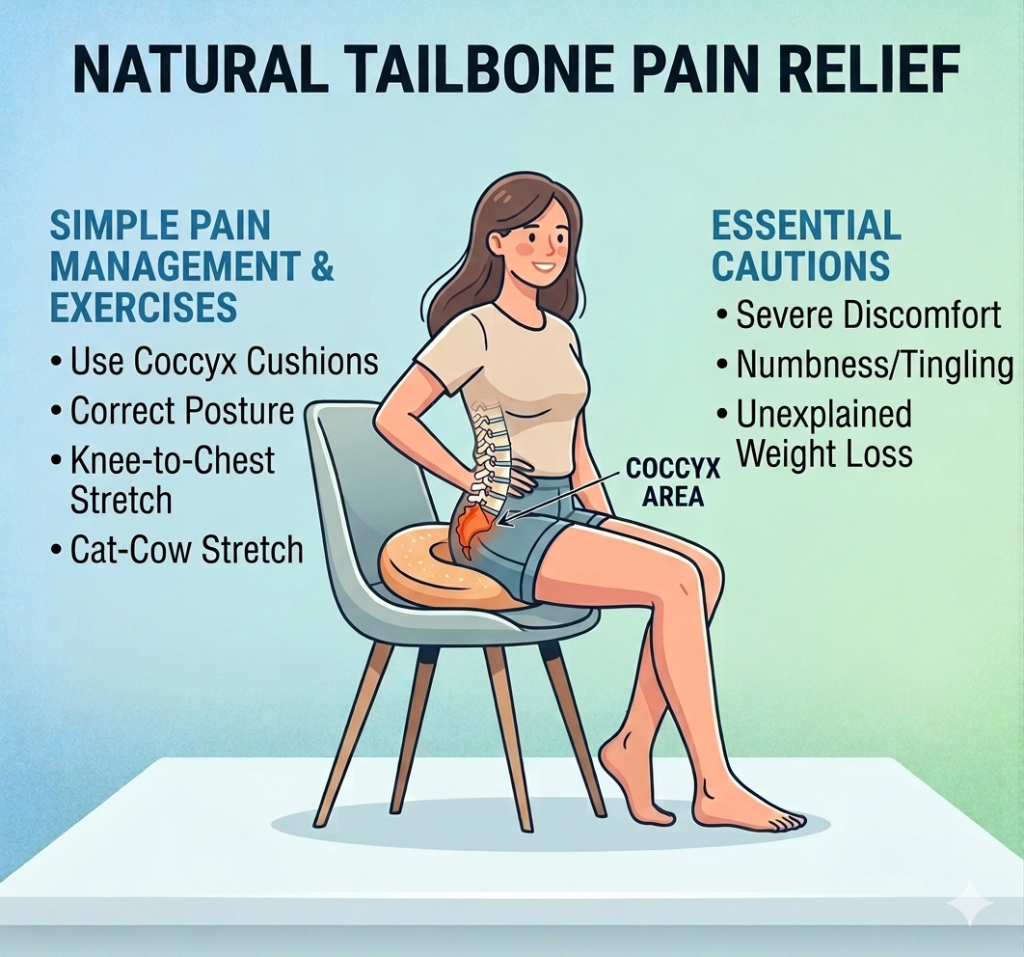
Tailbone pain can make ordinary activities difficult and frustrating. Sitting for long periods, driving, bending, exercising, or even standing up from a chair may suddenly become painful when the coccyx area is inflamed or injured. Some people experience mild soreness, while others deal with sharp pain that interferes with work, sleep, and daily movement.
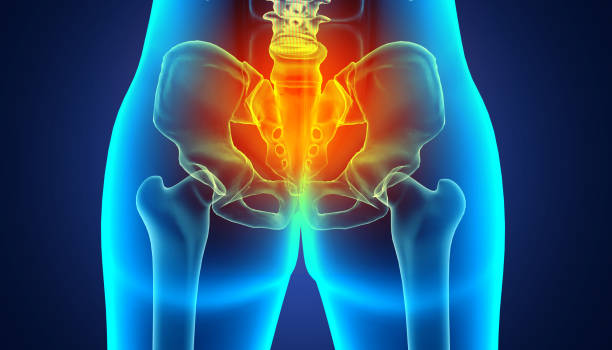
The tailbone, also known as the coccyx, is a small triangular bone located at the bottom of the spinal column. Even though it is small, it plays an important role in supporting body weight while sitting and helping maintain balance. When the tissues around the coccyx become irritated, the pain can range from temporary discomfort to chronic pain lasting months.
Fortunately, most cases improve with conservative care. Proper posture, stretching, supportive cushions, and physiotherapy can provide significant tailbone pain relief without surgery. In this guide, you’ll learn the common causes, symptoms, diagnosis, treatments, and the best tailbone pain relief exercise routines to support healing naturally.
What Is Tailbone Pain?
Tailbone pain, medically called coccydynia, refers to pain or tenderness around the coccyx area. The discomfort usually becomes worse while sitting or applying pressure to the lower spine.
The coccyx is connected to muscles, ligaments, and tendons. If any of these structures become inflamed due to injury or strain, pain develops around the bottom of the spine. The pain may feel dull and aching or sharp and stabbing depending on the severity of the condition.
Many people recover within weeks, but untreated coccyx pain may become chronic and affect mobility and posture.
How Common Is Tailbone Pain?
Tailbone pain is more common than many people realize. Women are more likely to develop coccyx pain because the female pelvis and childbirth can place additional pressure on the area. Adults and teenagers experience the condition more often than children.
People who sit for long hours, participate in repetitive sports, or have poor posture may also face a higher risk of developing tailbone discomfort.
Symptoms of Tailbone Pain
Symptoms can vary from person to person. Some individuals only feel discomfort while sitting, while others experience continuous pain throughout the day.
Common symptoms include:
- Sharp or aching pain near the tailbone
- Increased pain while sitting
- Pain when standing up from a seated position
- Tenderness at the base of the spine
- Discomfort during bowel movements
- Pain during intimacy
- Lower back pain
- Muscle stiffness around the pelvis
- Sleep disturbances from discomfort
- Anxiety or frustration caused by chronic pain
Pain often becomes worse on hard surfaces or after long periods of inactivity.
Common Causes of Tailbone Pain
There are many possible reasons why coccyx pain develops. Understanding the cause helps determine the best treatment approach.
Falls and Trauma
A backward fall onto a hard surface is one of the leading causes of tailbone injuries. The impact may bruise, fracture, or dislocate the coccyx.
Prolonged Sitting
Sitting for extended periods places direct pressure on the tailbone. Office workers, drivers, students, and gamers commonly experience coccyx pain due to poor sitting habits.
Pregnancy and Childbirth
During pregnancy, hormones loosen the pelvic joints and ligaments to prepare the body for childbirth. This process may strain the coccyx and surrounding tissues. Difficult labor can also injure the tailbone.
Repetitive Strain Injuries
Activities such as cycling and rowing require repeated leaning and pressure on the lower spine. Over time, this can irritate the coccyx area.
Poor Posture
Slouching shifts body weight onto the tailbone instead of distributing it evenly through the pelvis.
Carrying Extra Weight
Excess body weight increases pressure on the coccyx while sitting.
Rapid Weight Loss
A sudden reduction in body fat removes natural cushioning around the tailbone, making it more vulnerable to irritation.
Degenerative Joint Changes
Aging may lead to wear and tear around the coccyx joints, causing chronic inflammation and discomfort.
Rare Medical Conditions
In rare situations, tailbone pain may be linked to infections, tumors, or cancers such as chordoma, prostate cancer, or colorectal cancer.
Tailbone Pain Without Injury
Some people develop coccyx pain without experiencing any direct injury. This usually happens due to prolonged sitting, poor posture, repetitive stress, or underlying inflammation.
Rarely, persistent pain without injury may signal a more serious condition. Warning signs include:
- Numbness in the legs or groin
- Difficulty controlling bowel or bladder function
- Unexplained weight loss
- Fever
- A visible lump near the coccyx
These symptoms require immediate medical evaluation.
How Tailbone Pain Is Diagnosed
Healthcare providers begin by reviewing your medical history and symptoms. They may ask about falls, childbirth, sports activities, or prolonged sitting habits.
A physical examination helps identify tenderness, swelling, or abnormal coccyx movement.
Imaging tests may include:
X-Rays
Used to detect fractures or dislocations.
CT Scans
Provide detailed images of bone structures.
MRI Scans
Helpful for detecting inflammation, infections, tumors, or soft tissue damage.
Bone Scans
Sometimes used to identify hidden bone problems.
Best Tailbone Pain Relief Treatments
Treatment depends on the cause and severity of the pain. Most people improve using non-surgical methods.
Home Remedies for Tailbone Pain Relief
Ice Packs
Applying cold packs for 15–20 minutes several times daily helps reduce swelling and inflammation, especially after injury.
Heat Therapy
Warm compresses or hot baths may relax muscles and improve blood circulation.
Use a Donut Cushion
Special coccyx cushions reduce pressure while sitting and improve comfort.
Avoid Long Sitting Sessions
Standing and stretching every 30–45 minutes prevents excess pressure on the coccyx.
Improve Sitting Posture
Sit upright with feet flat on the floor and avoid slouching.
Stool Softeners
If bowel movements increase pain, stool softeners may reduce strain.
Pain Relief Medication
Over-the-counter anti-inflammatory medicines may temporarily reduce discomfort.
Tailbone Pain Relief Exercise for Faster Recovery
Exercise is one of the most effective ways to improve flexibility, reduce stiffness, and support healing. Gentle movements can relax tight muscles around the coccyx and improve posture.
Knee-to-Chest Stretch
This stretch helps relax lower back muscles.
Steps:
- Lie on your back.
- Pull one knee toward your chest.
- Hold for 20 seconds.
- Repeat with the other leg.
Do 5 repetitions per side.
Cat-Cow Stretch
This exercise improves spinal flexibility.
Steps:
- Start on hands and knees.
- Arch your back upward slowly.
- Lower your stomach while lifting your head.
- Repeat 10 times.
Child’s Pose
Child’s pose gently stretches the lower spine and pelvis.
Steps:
- Kneel on the floor.
- Sit back on your heels.
- Extend your arms forward.
- Hold for 30 seconds.
Repeat 3–5 times.
Pelvic Tilts
Pelvic tilts strengthen core muscles that support the spine.
Steps:
- Lie on your back with knees bent.
- Tighten abdominal muscles.
- Flatten your lower back against the floor.
- Hold for 5 seconds.
Repeat 10–15 times.
Piriformis Stretch
Tight hip muscles can increase coccyx discomfort.
Steps:
- Lie on your back.
- Cross one ankle over the opposite knee.
- Pull the supporting leg toward your chest.
- Hold for 20–30 seconds.
Repeat on both sides.
Walking
Gentle walking increases circulation and reduces stiffness without putting excessive pressure on the tailbone.
Physical Therapy for Tailbone Pain
Physical therapy is often recommended when pain persists longer than a few weeks. A physiotherapist can design a personalized treatment plan to improve movement and posture.
Therapy may include:
- Stretching routines
- Core strengthening
- Posture correction
- Pelvic floor therapy
- Manual therapy
- Ultrasound or heat therapy
- TENS therapy
Regular physiotherapy sessions can significantly improve long-term recovery.
Advanced Nonsurgical Treatments
If home care does not help, providers may recommend additional treatments.
Coccygeal Nerve Block
An injection of numbing medicine and steroids can reduce inflammation and pain.
Acupuncture
Some people find temporary relief through acupuncture sessions.
Massage Therapy
Massage may reduce muscle tension surrounding the coccyx area.
TENS Therapy
Transcutaneous electrical nerve stimulation uses electrical impulses to reduce pain signals.
Surgical Treatment for Tailbone Pain
Surgery is extremely rare and usually considered only when all other treatments fail.
Coccygectomy
This procedure removes part or all of the coccyx. Recovery can take several months, and surgery does not guarantee complete pain relief.
Emotional Effects of Chronic Tailbone Pain
Long-term coccyx pain may affect emotional well-being. Constant discomfort can lead to frustration, anxiety, poor sleep, and reduced physical activity.
Seeking treatment early and maintaining an active lifestyle may help reduce emotional stress caused by chronic pain.
Tips to Prevent Tailbone Pain
Although not all cases are preventable, healthy habits may lower the risk.
- Avoid sitting too long
- Use supportive cushions
- Maintain good posture
- Exercise regularly
- Stretch daily
- Keep walkways clear to avoid falls
- Use caution while cycling
- Strengthen core muscles
When to See a Doctor
You should contact a healthcare provider if:
- Pain lasts longer than several weeks
- Sitting becomes extremely painful
- Fever develops
- There is numbness or tingling
- Walking becomes difficult
- You notice swelling or a lump
- Pain spreads into the legs or hips
Prompt medical evaluation can help identify serious underlying causes.
FAQs About Tailbone Pain Relief
What is the fastest way to get tailbone pain relief?
Ice packs, proper sitting posture, coccyx cushions, and gentle stretching often provide fast relief.
Can tailbone pain go away on its own?
Yes, many mild cases improve within a few days or weeks with home care and reduced pressure on the coccyx.
What is the best tailbone pain relief exercise?
Gentle stretches such as child’s pose, pelvic tilts, and knee-to-chest stretches are commonly recommended.
Is walking good for tailbone pain?
Yes, light walking improves circulation and prevents stiffness without excessive pressure on the tailbone.
Why does sitting make tailbone pain worse?
Sitting places direct pressure on the coccyx, especially on hard surfaces or with poor posture.
Can physical therapy help tailbone pain?
Yes, physiotherapy can improve flexibility, posture, and muscle strength while reducing chronic discomfort.
When is surgery needed for tailbone pain?
Surgery is only considered in severe chronic cases that do not improve with conservative treatment.
Can pregnancy cause coccyx pain?
Yes, hormonal changes and childbirth can strain the tailbone and surrounding tissues.
Conclusion
Tailbone pain can interfere with sitting, movement, sleep, and daily comfort, but most people recover successfully without surgery. Understanding the causes and symptoms helps you take the right steps toward healing.
Simple lifestyle changes such as posture correction, supportive cushions, stretching, and physiotherapy often provide significant tailbone pain relief. Adding a regular tailbone pain relief exercise routine can strengthen supporting muscles, improve mobility, and reduce future discomfort.
If pain becomes severe or lasts longer than expected, seeking medical guidance is important. Early treatment can prevent chronic coccyx pain and help you return to normal daily activities comfortably.